
How to Lower Your Car Insurance in Miami for the New Year Without Dropping Coverage You Need
A new year is a good time to open that auto policy you have been auto-renewing without a second look. If you have been searching for cheap car insurance Miami drivers can actually rely on, the answer is rarely the policy with the lowest number on the screen. It is the policy that fits how you drive today, priced as well as it can be, with the protection you would want after a bad day on the Palmetto. Below, we walk through seven practical ways to lower your premium, the coverages we suggest you think twice about before cutting, and quick answers to the questions Miami drivers ask us most. Savings depend on your driver profile, your car and the insurance company, so treat this as a checklist to review with an agent. Why Car Insurance in Miami Costs What It Does Florida is one of the more expensive states for car insurance, and South Florida traffic, crash claims, storms and drivers without enough coverage all play a part. Your own price also depends heavily on your driving record. Tickets, accidents or a DUI will push a premium up, while years of clean driving help bring it down. The good news is that several parts of the price are within your control. The steps below focus on those, and none of them requires you to give up the protection that matters most if you are in a serious accident or a storm damages your car. 7 Ways to Find Cheap Car Insurance Miami Drivers Can Count On 1. Revisit your deductibles Your deductible is what you pay out of pocket on a collision or comprehensive claim before coverage kicks in. Choosing a higher deductible usually lowers the premium. The catch is that you need to be able to pay that amount if something happens, so pick a number that fits your emergency savings, not just your monthly budget. 2. Ask about every discount you may qualify for Many drivers never ask, and some discounts are not applied automatically. Insurance companies commonly offer discounts for things like a safe driving history, insuring more than one car, paying in full, completing a driving course or having safety and anti-theft features. Availability and amounts vary by company, which is why it helps to have our team review the discounts the insurance company offers for your situation. 3. Bundle home and auto If you own a home or condo, bundling your auto policy with your home insurance Miami policy can often earn a discount and gives you one company to deal with. Our guide on bundling home and auto insurance in Miami explains how it works and when it makes sense. 4. Update who is on the policy Life changes during the year, and your policy should keep up. A child who moved away, a driver who no longer uses the car or a household member who now has their own policy can all change your price. On the other hand, a new driver in the household needs to be listed. Keeping the list accurate avoids paying for drivers who are gone and prevents claim problems later. 5. Update how you use the car If you now work from home, take Metrorail more often or stopped your long commute down US-1, tell your agent. How far and how often you drive is part of how many insurers price a policy. Just remember that using a personal car for business is a different story, since a standard personal auto policy does not cover business use. 6. Protect your driving record and avoid lapses A clean record is one of the strongest tools you have for a lower premium over time. Coverage gaps hurt too. Florida requires continuous coverage on registered vehicles, even if the car is not being driven, and a lapse can lead to suspension of your license and registration and a reinstatement fee of up to $500 (FLHSMV Florida Insurance Requirements). A lapse can also make future coverage harder to price. 7. Compare at renewal Rates change, and so does your profile. Your renewal date is a natural moment to compare. Working with an insurance agency in Miami that can review options with more than one company saves you from filling out the same forms again and again, and helps you compare coverage side by side instead of just comparing prices. Coverage You Should Think Twice About Dropping The fastest way to a lower premium is to cut coverage, and that is exactly where many drivers get hurt. Florida’s minimums are $10,000 in Personal Injury Protection (PIP) and $10,000 in Property Damage Liability (PDL). Those limits usually do not come close to covering the costs of a serious accident. Before you trim, consider these: Uninsured and underinsured motorist coverage: it protects you when the other driver has little or no insurance, which is a real problem on Florida roads. Comprehensive coverage: it covers theft, vandalism, hurricanes and floods. In Miami, giving it up on a car you rely on is a big gamble during storm season. Liability limits above the minimum: higher limits help protect your savings if you cause an accident that injures someone. If your car is older and worth much less than it used to be, it may be reasonable to adjust collision coverage. Talk it through first, so you understand what you would be paying for yourself after an accident. Add-ons are worth a look at the same time. Roadside assistance and rental reimbursement cost far less than the core coverages, but they still add up. Keep the ones you would really use, and drop any you already have somewhere else, such as roadside help that comes with a car club membership or a new vehicle warranty. Frequently Asked Questions How can I lower my car insurance in Miami? Start by reviewing your deductibles, asking about every discount, bundling home and auto, updating drivers and how you use the car, keeping your record clean and comparing at renewal.
Seguro de auto en Miami para recién llegados: qué necesitas si tienes licencia extranjera o aún no tienes licencia de Florida

Llegar a Miami trae mil cosas por resolver: dónde vivir, el trabajo, la escuela de los niños y, casi siempre, el carro. Muchas familias que acaban de llegar se encuentran con la misma duda cuando buscan seguros de autos: ¿me van a asegurar si mi licencia es de otro país, o si todavía no tengo licencia de Florida? La respuesta depende de tu situación y de la compañía de seguros, pero hay reglas claras que conviene conocer desde el principio. En esta guía te explicamos lo que exige Florida, los documentos que suelen pedir las aseguradoras, qué preguntar si manejas con licencia extranjera o sin licencia de Florida, y cómo pensar en la cobertura para que no te quedes desprotegido. Es información general: cada caso es distinto y la cobertura varía según la póliza y la compañía. Lo primero: lo que exige Florida Si te mudas a Florida y estableces tu residencia aquí, el estado te pide dos cosas importantes. Según el Departamento de Seguridad en las Carreteras y Vehículos Motorizados de Florida (FLHSMV), debes obtener una licencia de conducir de Florida dentro de los 30 días después de establecer residencia, y registrar y titular tu vehículo dentro de los 10 días (FLHSMV, nuevos residentes). Para registrar el carro necesitas un seguro de Florida comprado a través de un agente con licencia para vender seguros en el estado. Ese seguro tiene que estar vigente desde el registro y mantenerse sin interrupciones, aunque el carro no se esté usando. Si la cobertura se cae, el estado puede suspender tu licencia y tu registro, y cobrar un cargo de reinstalación de hasta $500 (FLHSMV, requisitos de seguro). Ojo con la palabra residente. Para el estado, aceptar un empleo, inscribirte para votar o vivir en Florida más de seis meses seguidos, entre otras cosas, te convierten en residente. Si solo estás de visita, es otra situación, y lo explicamos más abajo. Si vas a comprar un carro, organiza el seguro antes de ir al dealer o de cerrar la compra con un particular. Normalmente necesitas mostrar prueba de seguro para registrar el vehículo y, en muchos casos, el dealer o el banco que financia el carro también la piden antes de que te lo lleves. Tener la cotización lista te ahorra tiempo y estrés ese día. Qué piden las compañías de seguros de autos en Miami Cada aseguradora tiene sus propios requisitos, pero estos son los datos y documentos que suelen pedir para cotizar y emitir un seguro de auto: Identificación: tu licencia de conducir (de Florida, de otro estado o de otro país) y, en algunos casos, pasaporte u otra identificación. Información del vehículo: año, marca, modelo y número VIN, además del título o los papeles de compra. Dirección en Florida: donde se va a guardar el carro, porque la zona influye en el precio. Conductores del hogar: quiénes van a manejar el carro y la licencia de cada uno. Historial: si tienes seguro anterior o récord de manejo, aunque sea de otro país, pregunta si lo pueden tomar en cuenta. Tener todo esto listo hace que la cotización sea más precisa y rápida. Si te falta algún documento, dilo desde el principio para que te orienten sin perder tiempo. Mucha gente busca seguros de autos para hispanos pensando que existe un seguro especial; en realidad, lo que más ayuda es que alguien te explique las opciones en tu idioma y revise contigo qué compañía acepta tu situación. Si manejas con licencia extranjera Si estás de visita, Florida permite manejar con una licencia válida emitida a tu nombre por tu país de residencia, siempre que la lleves contigo. Pero si ya te mudaste y eres residente, tienes 30 días para sacar la licencia de Florida. En cuanto al seguro, algunas compañías aceptan cotizar con una licencia extranjera y otras no, y las condiciones cambian de una a otra. Como todavía no tienes historial de manejo en Estados Unidos, es posible que el precio inicial sea más alto. Cuando obtengas tu licencia de Florida, avisa a tu agente para actualizar la póliza y revisar si el precio puede mejorar. Pregunta siempre si la compañía acepta tu tipo de licencia antes de pagar. Si todavía no tienes licencia de Florida Es común que alguien compre un carro antes de tener su licencia, o que el carro esté a su nombre pero lo maneje otro familiar. En algunos casos, una compañía puede asegurar el vehículo si otra persona con licencia válida aparece como conductor principal. Cada aseguradora decide si lo permite y en qué condiciones, así que no hay una respuesta única. Lo importante es decir la verdad sobre quién maneja el carro. Si una persona que no aparece en la póliza maneja con frecuencia, puedes tener problemas al momento de un reclamo. Y recuerda que manejar sin licencia válida no es una opción: el seguro no reemplaza la licencia. Cobertura: el mínimo y lo que conviene considerar Florida exige como mínimo $10,000 de Protección contra Lesiones Personales (PIP) y $10,000 de Responsabilidad por Daños a la Propiedad (PDL). Esos límites cumplen con la ley, pero en un accidente serio casi nunca alcanzan para cubrir todos los gastos. Por eso muchos conductores eligen más protección: Conductor sin seguro o con poco seguro: te protege cuando el otro conductor no tiene suficiente cobertura, algo muy común en Florida. Colisión: paga los daños a tu carro después de un choque. Integral (comprensivo): cubre robo, vandalismo, huracanes e inundaciones, muy importante en Miami. Si estás empezando y el presupuesto es ajustado, pide que te expliquen cuánto cambia el precio con cada cobertura y con distintos deducibles. Así eliges con información, no a ciegas. Si alguien en tu familia prefiere leer en inglés, puede ver también nuestra página de seguro personal de auto en Florida. Preguntas frecuentes ¿Puedo sacar seguro de auto en Florida con licencia extranjera? Depende de la compañía. Algunas aceptan licencias de otros países y otras no. Si ya eres residente de Florida, recuerda que
Tow Truck Insurance in Florida: Which Coverages a Towing Business Needs
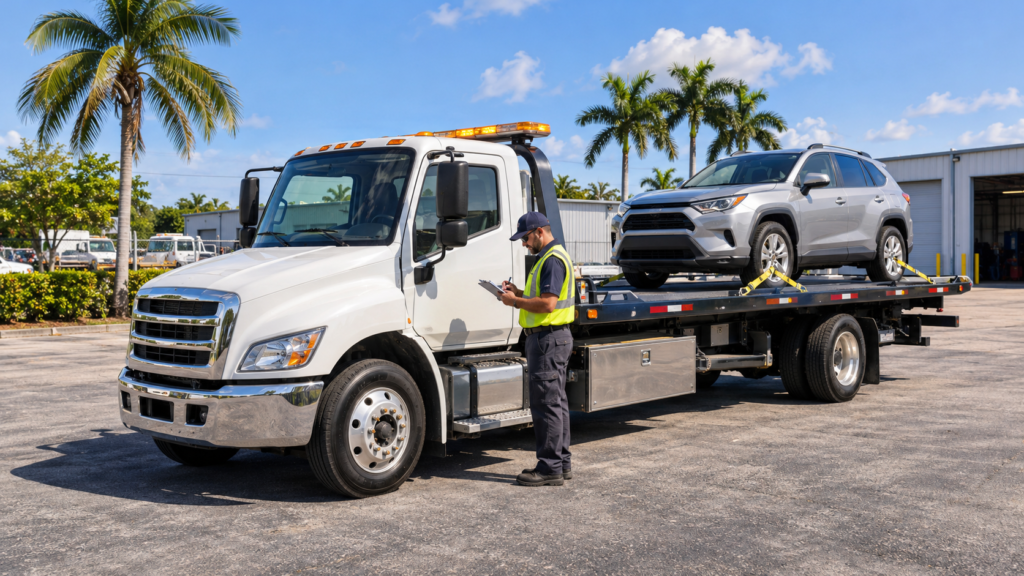
Towing is one of the few businesses where your work truck spends the day carrying someone else’s property. A flatbed hauling a customer’s SUV down I-95, a wrecker pulling a disabled car off the Turnpike, a lot full of stored vehicles waiting for owners to pick them up: each one is a different kind of risk. That is why tow truck insurance is built from several pieces instead of one simple policy. If you are starting a towing company in Florida or adding trucks to a growing one, this guide walks you through the coverages most towing businesses carry, how your type of work changes the mix, and the rules and contracts that can set your limits. Coverage always varies by policy and carrier, so treat this as a starting point for a conversation with your agent. Why Tow Truck Insurance Is Different From Regular Truck Coverage A standard commercial auto policy is built to protect your vehicle and your liability when you drive it. A towing operation adds two exposures that most truck policies do not address on their own: damage to the customer’s vehicle while it is on your hook or flatbed, and damage to vehicles while they sit in your care, custody or control at your yard. Those gaps are where many new operators get surprised. If a strap fails and a customer’s car rolls off the deck, or a storm floods your storage lot, your basic liability coverage may not respond the way you expect. Reading what each piece covers, and what it excludes, is the best way to avoid a costly gap. The Core Coverages in a Towing Policy Most Florida towing businesses build their program from the following coverages. Your needs may include more or fewer, depending on your operation. Auto liability This is the foundation of any commercial vehicle insurance program. It helps pay for injuries to other people and damage to their property when your truck causes an accident. Limits matter here, because a serious crash on a busy Miami-Dade highway can quickly exceed a low limit. Many towing contracts and motor clubs set their own minimums. Physical damage for your trucks Physical damage coverage protects your own tow trucks and equipment from accidents, vandalism and natural disasters, depending on the policy. Wreckers and rollbacks are expensive to repair or replace, and a truck sitting in the shop is a truck that is not earning. Our guide on physical damage truck insurance explains how this coverage works in more detail. On-hook or in-tow coverage On-hook coverage, sometimes called in-tow coverage, is designed for damage to a customer’s vehicle while you are towing or transporting it. It is one of the coverages that sets towing apart from other trucking. The way it is written varies: some forms cover only collision while in tow, while broader forms may include other causes of loss. Ask exactly what is included and what the deductible is. Garagekeepers coverage for stored vehicles If you store vehicles at your lot after a tow, garagekeepers coverage is designed to protect those vehicles while they are in your care. Think theft, vandalism, fire or a storm hitting the yard. For operators in South Florida, where heavy rain and hurricane season are part of life, it is worth asking how wind and flood are handled under this coverage. Depending on your business, you may also look at general liability for your yard and office, workers’ compensation if you have employees, and an umbrella policy for higher limits. How Your Type of Towing Work Changes What You Need Two towing companies with the same number of trucks can need very different coverage. Insurers look closely at what you actually do: Light-duty towing and roadside help: flatbeds and wheel-lifts moving cars, jump starts and lockouts. On-hook limits are often set around the value of typical passenger vehicles. Heavy-duty recovery: large wreckers recovering trucks, buses and loaded trailers bring higher values on the hook and more complex accident scenes. Rotation and police tows: work assigned by a city, county or agency often comes with its own insurance requirements and certificate rules. Private property and storage: more vehicles stored for longer periods put more weight on garagekeepers coverage. Long-distance or interstate transport: moving vehicles across state lines for hire can bring federal requirements into play. Your drivers, garaging location, radius, loss history and the value of your trucks also shape the price, just as they do for any fleet insurance program. Florida Rules and Contracts That Can Set Your Limits Florida does not set one insurance number for every towing company. Instead, your limits often come from the work you take on. Counties and cities that run wrecker rotation systems set the terms for the operators they designate. State law also requires a wrecker operator who stops to help a motorist without being called through an official system to disclose in writing whether the company carries at least $300,000 of liability insurance and at least $50,000 of on-hook cargo insurance (Florida Statutes 323.002). If you haul vehicles for hire across state lines, federal rules can apply as well. The Federal Motor Carrier Safety Administration sets minimum liability levels for for-hire carriers, starting at $750,000 for general freight carried in vehicles of 10,001 pounds or more (FMCSA Insurance Requirements). Motor clubs, dealerships and fleet accounts may add their own requirements on top. Gather those contracts before you shop, so your quote matches the limits you actually need. Frequently Asked Questions What insurance does a tow truck business need in Florida? Most towing businesses carry auto liability, physical damage for their trucks, on-hook or in-tow coverage for customer vehicles, and garagekeepers coverage if they store vehicles. The right limits depend on your work, your contracts and any rotation or motor club requirements. What is on-hook coverage? It is coverage for damage to a customer’s vehicle while it is being towed or carried by your truck. Forms vary, so check whether yours covers only collision or a broader
What Counts as a Commercial Vehicle in Florida? Commercial Vehicle Insurance Explained
If you use a car, van or pickup to make money in Florida, sooner or later you will wonder whether your personal policy is still enough. Maybe you started delivering for your own catering business in Hialeah, bought a second van for your cleaning crew in Kendall, or hired a helper for the holiday rush. Commercial vehicle insurance is built for exactly these situations, and the line between personal and business use is closer than most people think. In this guide, we explain what insurers usually treat as a commercial vehicle, when a personal auto policy tends to stop covering work use, what a business policy includes and what changes the price. Late November is a good time to look at it: holiday deliveries pick up, many businesses add vehicles or drivers before year-end, and hurricane season closes on November 30, so you can review your coverage well before the next one. What Counts as a Commercial Vehicle in Florida? There is no single test, and each insurer writes its own rules. In general, though, insurers look at how a vehicle is used, who owns it and who drives it more than at what kind of vehicle it is. A regular sedan can be a business risk, and a large pickup can be a personal one. These are the signs they pay attention to: How it is used: delivering goods, carrying tools and materials to job sites, transporting clients or employees, or driving from customer to customer during the day. Who owns it: a vehicle titled or leased in the name of a business, including an LLC or corporation, is usually insured on a business policy. Who drives it: employees, helpers or contractors behind the wheel usually point to commercial coverage. What is on it: signage, a wrap with your logo, ladder racks, shelving or equipment mounted in the bed are all signs of business use. Size and type: box trucks, cargo vehicles and other heavier units are usually written as commercial no matter how often they run. Across South Florida, the vehicles we help protect include service trucks and delivery vans, box trucks and cargo vehicles, pickups for contractors and landscapers, passenger vehicles for sales teams or shuttles, specialty work vehicles, and food trucks and mobile service units. When a Personal Auto Policy Stops Covering Business Use Personal auto policies are priced for commuting, errands and family driving. Most of them exclude or limit coverage when the vehicle is being used for business activity, such as making deliveries or hauling equipment to a job. If an accident happens during one of those trips, a claim can be reduced or denied, and you could be left paying for repairs, medical bills and a lawsuit on your own. Driving to and from one office is normally personal use. The picture changes when the vehicle becomes part of how you earn money. Ask yourself these questions: Do you drive to several job sites or customers on a typical day? Do you carry tools, inventory or materials your business depends on? Does anyone besides you and your household drive the vehicle for work? Is the vehicle, or the loan on it, in your company’s name? Do your clients or contracts ask you for a certificate of insurance? If you answered yes to any of these, it is time to talk about business coverage. Florida’s minimum for drivers is $10,000 in Personal Injury Protection and $10,000 in Property Damage Liability, and those minimums were never meant to carry business risk. One serious crash on I-95 or the Palmetto Expressway can cost far more than that. What a Business Vehicle Policy Covers A business policy is built around your vehicles, your drivers and the way you work. Depending on the carrier and the policy, options can include: Liability for bodily injury and property damage your drivers cause to others. Collision for repairs or replacement after an accident. Comprehensive for theft, fire, vandalism and storm damage. Uninsured and underinsured motorist coverage when the other driver cannot pay. Medical payments for injured drivers or passengers. Tools and equipment coverage for items stored in work vehicles. Roadside assistance to cut downtime after a breakdown. Policies can also add endorsements such as hired and non-owned auto (for employees who use their own cars on company errands), rental reimbursement and the additional insured wording many contracts call for. One Florida note: comprehensive generally responds to wind and storm damage, but flood is not always included by default, so ask how rising water is handled where your vehicles park overnight. Running several vehicles? Fleet insurance lets you schedule your vans, trucks and drivers under one business policy, which makes it simpler to add a new unit or a new driver as you grow. What Changes the Price Most questions about this coverage come down to cost. Many small businesses in Florida pay somewhere between $175 and $325 a month per vehicle, but averages only go so far, because insurers weigh the same handful of factors very differently from one risk to the next. When you shop for commercial auto insurance in Florida, these are the factors that move the premium most: Where the vehicle is garaged: the ZIP code where it parks overnight, coastal or inland, matters. Busy areas like Miami-Dade and Broward often price differently from quieter parts of the state. Vehicle type and value: a cargo van, a pickup and a box truck carry different risks and repair costs. Radius of operation: local routes, statewide driving and trips across state lines are priced differently. Driver records and experience: tickets, accidents and years behind the wheel for every listed driver. Loss history: past claims and your safety record. What you carry: the goods, tools or equipment on board. Limits and deductibles: higher liability limits cost more, while a higher deductible can lower the premium. The only reliable number is a quote built on your real vehicles and drivers. With the right details, we can usually give you a quote
Commercial Truck Fleet Insurance: How Coverage and Costs Work
Adding trucks to your operation is usually a sign that the business is growing. But once you are managing multiple vehicles, drivers, routes, and customer requirements, insurance becomes harder to evaluate. You are no longer simply asking what it costs to insure one truck. You need to know whether your coverage still matches the way the entire fleet operates. That is where comparisons can become misleading. Two fleets with the same number of trucks may have very different premiums because they haul different commodities, travel different distances, use different equipment, hire drivers with different experience levels, or carry different coverage limits. A lower quote may look attractive without making those differences obvious. Getting the decision wrong can mean more than paying too much for insurance. A missing trailer coverage, inadequate cargo limit, incorrect vehicle information, or liability limit that does not satisfy a contract can create problems when you need the policy most. Understanding how commercial truck fleet insurance works, what affects its cost, and what you should compare can help you make a more informed decision before choosing coverage. What Does Commercial Truck Fleet Insurance Cover? Commercial truck fleet insurance can bring multiple commercial vehicles used by the same business into a coordinated insurance program, subject to the insurer’s eligibility and underwriting requirements. The exact structure depends on the insurance carrier, fleet, vehicles, and operations. Having fleet coverage does not mean that every vehicle, driver, trailer, load, or type of loss is automatically covered. Policies still contain specific limits, deductibles, schedules, exclusions, conditions, and endorsements. Depending on the operation, coverage may include: Primary auto liability: Covers covered bodily injury and property damage liability arising from the operation of insured commercial vehicles, up to the applicable policy limits. Physical damage: Helps protect covered tractors, trucks, and other insured equipment against covered collision and comprehensive losses. Motor truck cargo: Provides coverage for certain loss or damage to freight in your care while transporting it, subject to policy limits, exclusions, commodities, and deductibles. Trailer interchange: Can cover physical damage to non-owned trailers in your possession when you are operating them under a trailer interchange agreement. Non-owned trailer physical damage: May apply when you use trailers owned by others without a formal trailer interchange agreement. Uninsured or underinsured motorist coverage: May provide protection for certain losses involving motorists who have no insurance or insufficient insurance, depending on the policy and applicable state requirements. Reefer breakdown coverage: Can provide protection for certain covered losses involving temperature-controlled freight when refrigeration equipment fails. Alliance Insurance Group offers commercial trucking coverage that can be structured around factors such as fleet size, vehicle type, operating radius, commodities, garaging, and driver mix. A Fleet Policy Still Needs to Match the Trucks You Actually Operate Combining multiple trucks into a fleet insurance program may simplify some aspects of insurance management, but the insurer still needs to understand what each part of the operation looks like. A business running ten similar tractors over established regional routes presents a different exposure from a company operating tractors, box trucks, dump trucks, and specialized trailers across several types of work. Changes to the business can matter as well. Adding vehicles, replacing equipment, hiring drivers, entering new states, changing the commodities you haul, increasing your operating radius, or accepting new customer contracts can alter the risks the insurer is being asked to cover. This is why fleet information needs to remain accurate throughout the policy period. You do not want to discover after a loss that the operation has changed significantly from what was originally represented to the insurer. What Determines the Cost of Commercial Truck Fleet Insurance? There is no single commercial truck fleet insurance price that applies to every trucking company. Even a cost-per-truck comparison can be misleading because insurers consider multiple characteristics of the business when underwriting coverage. Fleet Size and Type of Equipment The number of trucks matters, but so does the equipment behind that number. Insurers may consider the type, age, value, configuration, and use of the vehicles being insured. A newer tractor with a high insured value creates a different physical damage exposure than an older local delivery vehicle. Trailers and specialized equipment can add another layer. Reefer trailers, flatbeds, tank equipment, and other configurations may introduce different coverage considerations. Driver Experience and Driving History A fleet is not evaluated only by looking at its trucks. The people operating them matter. Depending on the insurer, underwriting may consider factors such as commercial driving experience, license history, moving violations, prior accidents, and experience with the type of vehicle being operated. This can become particularly important for growing fleets. Adding five trucks does not help the operation if finding qualified drivers for those trucks introduces significantly more risk. Operating Radius and Territory Where and how far your fleet travels can influence its insurance profile. A local delivery fleet, a regional carrier, and an operation running long-haul interstate routes spend different amounts of time on the road and encounter different traffic environments and operating conditions. Garaging location may also be considered because vehicles can face different theft, weather, traffic, and loss exposures depending on where they are normally kept. Commodities and Cargo Values What your trucks haul can have a substantial effect on coverage needs. General freight, refrigerated products, automobiles, construction materials, household goods, and hazardous materials do not present identical risks. Insurers may look at both the type of commodity and its typical value. Cargo limits also need to make sense for the loads you accept. A limit that works for most shipments may not satisfy a broker or customer offering a significantly higher-value load. Claims and Loss History Insurers may review a fleet’s past claims to evaluate both the frequency and severity of previous losses. Repeated accidents, cargo losses, theft claims, or large liability claims can affect how an insurer views an operation. Loss history can also reveal patterns that a fleet owner may need to address operationally. For example, repeated backing accidents may suggest a need for different
Motor Truck Cargo Insurance: What It Covers and Who Needs It
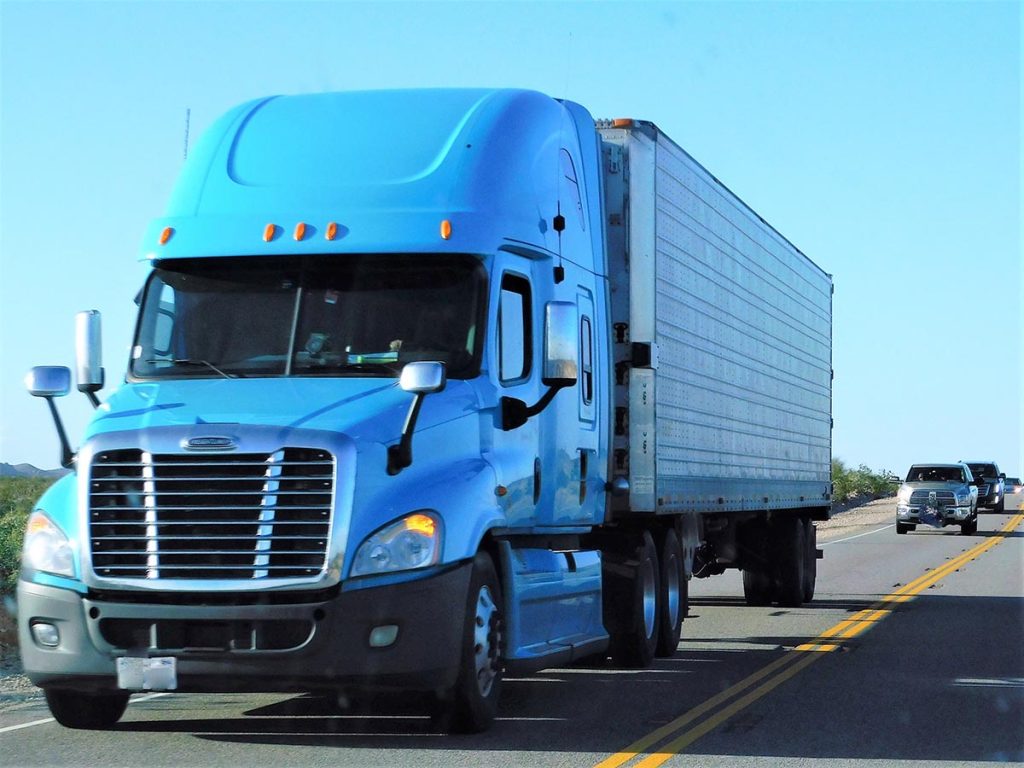
A broker sends you a load that meets your usual lane, rate, and equipment requirements, but there is one more condition before you can accept it: proof of adequate cargo coverage. If you already carry motor truck cargo insurance, that may seem like a simple box to check. The problem is that having cargo insurance does not automatically mean every load you haul is protected the way you expect. The commodity may be excluded, the value of the freight may exceed your policy limit, theft coverage may come with security conditions, or refrigerated cargo may require additional coverage that is not part of the basic policy. Those details can become expensive after a stolen trailer, rollover, fire, damaged shipment, or temperature-related loss. They can also prevent you from accepting loads if your coverage does not meet a broker’s or shipper’s requirements. Before assuming your current cargo policy is enough, it helps to understand what motor truck cargo insurance is designed to cover, which losses may fall outside the policy, who needs it, and how to choose limits that match the freight you actually haul. What Does Motor Truck Cargo Insurance Cover? Motor truck cargo insurance is designed to protect freight being transported by a motor carrier when that freight is lost, damaged, or destroyed by a covered cause of loss. Unlike physical damage insurance, which protects an insured truck or trailer, cargo insurance focuses on the property you are transporting for someone else. Policies vary significantly, so coverage should always be evaluated according to the actual policy language. Depending on the insurer and form, covered losses may include situations involving: Collision or overturn Fire Theft Vandalism Certain weather-related losses Damage to covered freight during transportation Certain loading or unloading exposures Debris removal following a covered cargo loss Certain expenses incurred to prevent additional damage after a covered loss Progressive Commercial, for example, describes motor truck cargo insurance as protection for goods and materials transported by for-hire truckers against covered losses such as fire, collision, and theft. It also notes that specific cargo policies can include additional protections such as removal expenses and costs associated with preventing further damage after a loss. The important phrase is covered loss. Cargo insurance is not a guarantee that every situation involving damaged or missing freight will result in a covered claim. Cargo Coverage Follows the Freight, Not the Truck One of the easiest mistakes to make is assuming that commercial auto liability or physical damage coverage also protects whatever is inside the trailer. These policies serve different purposes. Commercial auto liability generally addresses covered bodily injury and property damage liability arising from operating the insured vehicle. Physical damage coverage protects covered tractors or other insured equipment against specified losses. Motor truck cargo insurance protects the customer’s freight when a covered cargo loss occurs. Imagine a tractor-trailer overturns while carrying $80,000 of packaged food. The tractor and trailer may suffer physical damage, another vehicle may be involved, and the freight may be destroyed. Those losses can involve different portions of the carrier’s insurance program. Cargo coverage is the portion designed to address the covered loss to the freight itself. That distinction becomes especially important for owner-operators and fleets hauling high-value loads. Protecting the truck without adequately protecting the cargo can still leave the business facing a significant financial exposure. Who Needs Motor Truck Cargo Insurance? For-hire carriers transporting property belonging to customers are among the businesses most likely to need cargo coverage. That can include: Owner-operators Tractor-trailer carriers Box truck operators Flatbed carriers Auto haulers Refrigerated carriers Local delivery companies Regional and long-haul fleets Specialized freight carriers The need is not determined only by the type of truck. It depends largely on whether you are responsible for property belonging to someone else while transporting it. For many carriers, cargo insurance is also part of doing business with brokers and shippers. Progressive notes that many clients and shippers require cargo coverage before allowing carriers to transport their goods. That means a carrier may need cargo insurance even when federal regulations do not specifically require the carrier to make a cargo insurance filing. Is Motor Truck Cargo Insurance Required by FMCSA? This is where an important distinction needs to be made. Federal law does not currently require cargo insurance filings from most general property carriers. FMCSA states that household goods carriers and freight forwarders of household goods are required to maintain cargo insurance. Most other authorized motor carriers of property are not subject to that federal cargo insurance filing requirement. FMCSA previously required cargo insurance for a broader group of for-hire property carriers, but that requirement was eliminated for most carriers in 2011. Household goods motor carriers and household goods freight forwarders remained subject to the cargo insurance requirement. For qualifying household goods carriers, proof of cargo insurance is generally filed with FMCSA by the insurance provider using Form BMC-34 or another applicable form. FMCSA specifies that insurance companies, rather than carriers themselves, submit required insurance filings electronically. However, a lack of a federal requirement does not mean a general freight carrier has no reason to carry coverage. Your contract, freight broker, shipper, customer, lender, or other business relationship may require cargo insurance and set its own minimum limits before you are allowed to haul a load. How Much Motor Truck Cargo Insurance Do You Need? The right cargo limit should reflect more than the average load you typically haul. Consider the highest-value shipments you expect to transport and the requirements attached to your contracts. For example, imagine most of your loads are valued around $40,000, but you occasionally accept shipments worth $130,000. A policy built only around your normal $40,000 exposure may not provide enough protection for those higher-value loads. Broker and shipper requirements also matter. A contract may specify a particular cargo limit before your truck can be dispatched. Alliance Insurance Group notes that its commercial trucking coverage can structure motor truck cargo limits and commodity terms around shipper requirements, with policies tailored according
Commercial Food Truck Insurance in Florida: Coverage and Costs
Buying or building a food truck can make it tempting to think about insurance as one more vehicle expense. You have a truck, so you insure the truck and move on to permits, equipment, menus, and finding places to sell. A food truck creates a more complicated risk than an ordinary commercial vehicle. It may contain fryers, grills, refrigeration, propane, generators, inventory, point-of-sale equipment, and thousands of dollars in permanently installed kitchen equipment. At the same time, employees are working in a tight space while customers are ordering and receiving food just outside. If your insurance only addresses what happens while you are driving, an accident in the kitchen, equipment failure, food-related claim, employee injury, or damaged business property may expose gaps you did not expect. Understanding how commercial food truck insurance works in Florida can help you determine which policies apply to the way you operate, what affects the cost, and what to compare before choosing coverage. Food Truck Insurance Is Usually More Than One Policy There is not necessarily one policy called “food truck insurance” that automatically covers every part of the business. Instead, food truck operators may need several types of commercial insurance working together. The right combination depends on the vehicle, equipment, employees, food preparation methods, locations, events, and other characteristics of the operation. Progressive Commercial, for example, describes food truck insurance as specialized business protection that may include commercial auto, general liability, property-related coverage, workers’ compensation, equipment breakdown, and food spoilage protection. That distinction matters because food trucks face risks both on the road and while parked and serving customers. A collision while driving is different from a customer slipping near your service window. A damaged truck is different from a failed refrigerator that ruins inventory. An employee burn is different from a customer alleging that your food caused an illness. Those situations may involve different policies. Commercial Auto Insurance Protects the Vehicle Side of the Business If your food truck is self-propelled and operated on public roads, personal auto coverage should not be assumed to protect it as a business vehicle. Commercial auto insurance can provide liability protection when an insured food truck causes a covered accident. Physical damage coverage can also be added to protect the insured vehicle against covered collision and comprehensive losses. For food trucks, the value attached to the vehicle deserves extra attention. The truck may have permanently mounted refrigerators, cooking equipment, sinks, counters, electrical systems, ventilation equipment, or other fixtures. How that equipment is insured can depend on whether it is considered permanently attached to the vehicle and how the insurer structures the policy. Progressive notes that commercial auto physical damage coverage for food trucks can include permanently attached appliances and equipment. Do not simply use the original chassis value when discussing insurance. Make sure the insurer understands what the completed food truck is actually worth. Florida insurance requirements can also vary according to vehicle characteristics and operations. Certain heavier vehicles classified as commercial motor vehicles are subject to weight-based financial responsibility requirements, while other federal requirements can apply depending on the operation. Your food truck’s actual registration, weight, and use should therefore be reviewed rather than assuming that one minimum applies to every mobile food business. General Liability Addresses Risks That Happen While You Are Serving Your food truck can be completely parked when a costly liability claim occurs. A customer may slip near the service area. Your operation could accidentally damage property at an event venue. Someone may allege that food your business served caused an illness. General liability insurance is designed to address many common third-party bodily injury, property damage, and product-related liability exposures, subject to the terms of the policy. This coverage can also matter when booking locations. Event organizers, property managers, municipalities, commissaries, landlords, and private venues may request a certificate of insurance before allowing a food truck to operate on their property. They may also specify minimum liability limits or request additional insured status where appropriate. Do not wait until the morning of an event to determine whether your policy satisfies those requirements. Your Kitchen Equipment and Inventory Need Their Own Attention The vehicle itself may be insured while important property inside it is not protected in the way you expect. A food truck can contain expensive items such as: Refrigerators and freezers Fryers and grills Prep equipment Small appliances Point-of-sale systems Generators Cooking utensils Food inventory Supplies and packaging Some permanently installed equipment may be addressed through commercial auto physical damage coverage, while other business property may require property insurance, a business owner’s policy, inland marine coverage, or another appropriate form. A business owner’s policy (BOP) commonly combines general liability with commercial property coverage for eligible small businesses. Additional endorsements may sometimes be available for exposures such as equipment breakdown or food spoilage. The important question is not simply whether you have property insurance. It is which property is covered, where it is covered, and against which causes of loss. Equipment Breakdown and Food Spoilage Can Shut Down a Truck Without an Accident A food truck does not need to crash to lose a day’s revenue. If the refrigerator stops maintaining temperature, a generator fails, or an important cooking appliance breaks down, you may have to discard food and stop serving until the problem is corrected. Standard property coverage should not automatically be assumed to cover mechanical or electrical equipment breakdown. Equipment breakdown coverage may help with qualifying failures of covered equipment. Food spoilage coverage can address certain losses to perishable inventory when spoilage results from a covered event. Progressive identifies both as coverages food vendors may add depending on their insurance program. Pay attention to the cause of the failure. Routine deterioration, inadequate maintenance, mechanical breakdown, power interruption, and damage caused by another covered event may be treated differently. Florida Food Truck Licensing and Insurance Are Separate Issues Having insurance does not give you permission to operate a food truck, and receiving a food-service license does not mean your business
Commercial Truck Insurance in Texas: Requirements Every Trucker Should Know

You can buy a commercial truck insurance policy in Texas and still discover that you do not have the coverage or filings required for the work you plan to do. The problem is that the requirement is not based only on where your truck is registered. Your vehicle weight, whether you operate only inside Texas or cross state lines, what you haul, and whether you operate for hire can change which rules apply. A Texas-only carrier may face a different liability minimum from an interstate carrier running the same type of truck, while hazardous materials and household goods introduce additional requirements. Getting those distinctions wrong can delay operating authority, cause problems with brokers or shippers, or even result in suspension or revocation of a Texas motor carrier certificate when required insurance filings are not maintained. Understanding Texas commercial truck insurance requirements before you begin operating can help you determine which limits, filings, and additional coverages apply to your business. Start by Determining Whether You Operate Intrastate or Interstate Before comparing insurance limits, determine which regulatory system applies to your operation. An intrastate carrier operates exclusively within Texas. A carrier engaged in interstate commerce may be subject to federal requirements administered by the Federal Motor Carrier Safety Administration (FMCSA). If your business performs both intrastate and interstate operations, one type of authority does not automatically replace the other. TxDMV specifically advises carriers that conduct both types of work that they may need both forms of authority. This distinction matters because Texas and federal liability minimums are not identical. Do not determine your insurance requirements solely by looking at the address of your company or where the truck is garaged. The nature of the transportation operation matters. Which Texas Intrastate Truckers Must Register With TxDMV? Texas requires certain intrastate motor carriers to register with the Texas Department of Motor Vehicles Motor Carrier Division. According to TxDMV, registration generally applies when you: Operate a vehicle or combination with a gross weight, registered weight, or gross weight rating exceeding 26,000 pounds Transport hazardous materials in quantities requiring placards Operate a farm vehicle at 48,000 pounds or more Operate a vehicle designed for more than 15 passengers, including the driver Operate a commercial school bus Transport household goods for compensation, regardless of vehicle weight A valid USDOT number is also required before applying for Texas operating authority. Not every commercial vehicle operating in Texas falls into the same registration category, so truckers should determine whether their specific operation meets TxDMV’s criteria rather than assuming that every business vehicle follows identical rules. Texas Liability Insurance Minimums Depend on the Operation For qualifying intrastate carriers, Texas requires proof of automobile liability insurance at specified minimum levels. For many truckers, the most relevant category is the state’s “all others” classification. TxDMV currently lists a $500,000 minimum for private or for-hire motor carriers operating vehicles with a gross weight, registered weight, or gross weight rating exceeding 26,000 pounds. Other categories have different limits. Household Goods Movers Texas lists a $300,000 liability minimum for household goods carriers operating vehicles under 26,000 pounds. Household goods movers using heavier commercial motor vehicles can fall under different requirements, so the vehicle weight and operation need to be evaluated together. Certain Hazardous Materials Carriers Hazardous materials can raise the required liability limit substantially. TxDMV lists a $1 million minimum for certain operations involving oil, hazardous waste, hazardous materials, hazardous substances, and petroleum products such as fuels or lubricants. Certain higher-risk hazardous materials require $5 million in financial responsibility. This category includes specified explosives, poison gases, radioactive materials, and certain bulk hazardous materials described in federal regulations. The commodity and how it is transported therefore matter just as much as the truck itself. Interstate Truckers Can Face Higher Federal Minimums A Texas carrier entering interstate commerce needs to consider FMCSA financial responsibility requirements in addition to any Texas requirements that apply to its operations. FMCSA currently requires $750,000 in public liability coverage for many for-hire interstate property carriers operating vehicles with a GVWR of 10,001 pounds or more and transporting non-hazardous property. Federal hazardous-material limits can increase to: $1 million for certain oil and hazardous-material operations $5 million for specified higher-risk hazardous materials This creates an important distinction for Texas truckers. A qualifying Texas intrastate carrier over 26,000 pounds may encounter a $500,000 state minimum, while a for-hire interstate carrier transporting non-hazardous property in a vehicle of 10,001 pounds or more generally faces the federal $750,000 minimum. That is why simply asking, “What is the minimum truck insurance in Texas?” does not produce a complete answer. Minimum Insurance Does Not Necessarily Mean Enough Insurance Meeting a regulatory minimum allows you to satisfy an applicable financial responsibility requirement. It does not necessarily mean the limit will satisfy every contract or adequately protect the business against every potential loss. A shipper or broker may require a higher auto liability limit before offering you freight. Customers may also specify cargo insurance, general liability, or other limits in their contracts. For example, a carrier may legally satisfy an applicable minimum and still be unable to accept a particular load because the broker requires different coverage. Your insurance decision should therefore consider three separate questions: What does Texas require? What does FMCSA require for your operation? What do your customers, brokers, contracts, or lenders require? The highest applicable requirement may ultimately determine the coverage you need to conduct the business you want. Texas Requires the Insurance Filing, Not Just the Policy Purchasing insurance is only part of the process for motor carriers required to hold Texas operating authority. TxDMV states that the carrier’s insurance company must electronically file proof of coverage before the carrier’s application can be completed. For liability insurance, the insurer uses Form E as proof of insurance. If applicable cargo insurance is required for a household goods carrier, Forms H and I are used. Form K is used for cancellation of liability insurance. The carrier is still responsible for checking that the insurance record remains active
Vacant Commercial Property Insurance in Florida: What Business Owners Need to Know
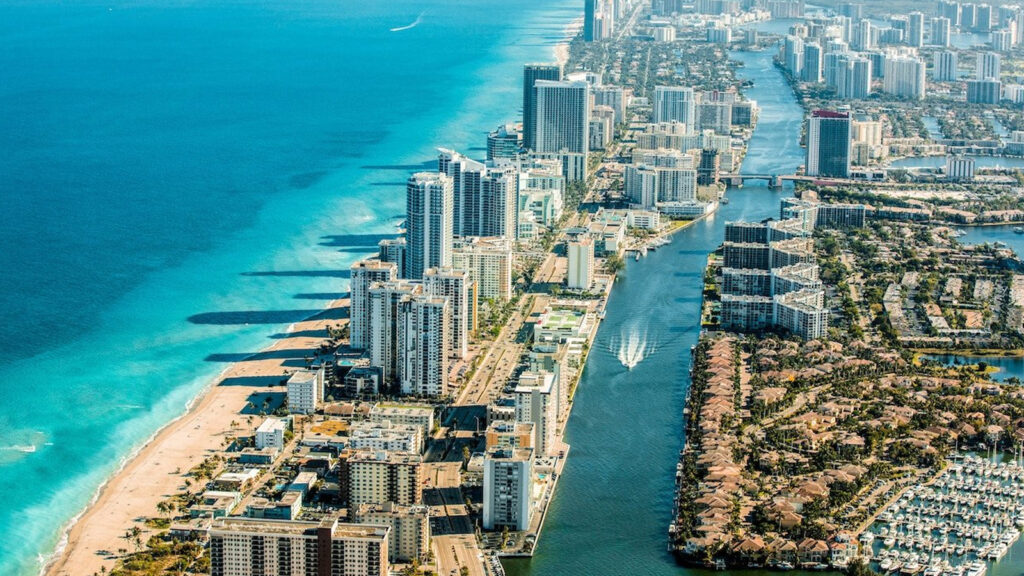
A building does not have to be occupied to be at risk. In fact, the moment a commercial property becomes vacant, the risks increase and the coverage you have been paying for quietly starts pulling back. Vandalism, water damage, theft, fire, and liability exposure all climb when a property sits empty, yet most standard commercial policies respond by reducing what they cover, not expanding it. If you own a commercial building in Florida that is between tenants, awaiting renovation, or sitting idle while you plan your next move, understanding vacant commercial property insurance is not optional. It is the difference between a manageable situation and a six-figure loss with no policy to catch it. Why Standard Commercial Property Insurance Falls Short for Vacant Buildings Standard commercial property policies are underwritten with the assumption that your property is occupied. An occupied building has tenants or employees who notice problems early, maintenance staff who respond to issues, and the general activity level that deters opportunistic crime. When a building goes vacant, all of that changes. Insurers know it, and their policy language reflects it through what is called the vacancy clause. Most commercial property policies define vacancy as the point when a building is no longer occupied by a tenant conducting its customary business operations. Under standard ISO policy language, once a building has been vacant for 60 consecutive days, the insurer is permitted to reduce or eliminate coverage for several key perils: Vandalism Sprinkler leakage (unless the system is protected against freezing) Building glass breakage Theft, including attempted theft Water damage (from sources other than weather) In practical terms, a pipe bursts, a squatter causes damage, or copper wiring gets stripped out by thieves, and your claim is denied because your building crossed the 60-day vacancy threshold before the loss occurred. The policy was still active. The premium was still being paid. But the coverage was quietly off. This is the coverage gap that commercial property insurance for vacant buildings is designed to address. What Is Vacant Commercial Property Insurance? Vacant commercial property insurance is a specialized policy, or policy endorsement, designed specifically for unoccupied buildings. It acknowledges the higher risk profile of a vacant property and provides coverage for the perils that standard policies restrict or eliminate once vacancy begins. A dedicated vacant commercial property policy typically covers: Fire and smoke damage to the structure Lightning and wind damage Vandalism and malicious mischief (often excluded on standard policies after 60 days) Water damage from internal sources such as burst pipes Liability coverage for injuries to third parties who access the property, whether authorized or not Theft of building fixtures and materials, including copper wiring and HVAC components, which are common targets in vacant commercial buildings in Miami and other urban Florida markets What most vacant property policies do not cover: personal property left inside the building, business income or lost rent during the vacancy, and in many cases, damage caused by the property owner’s own negligence. Renovation activity above a certain threshold, typically 15 percent or less of the completed building value, may shift the coverage need to a builder’s risk policy rather than a standard vacant property policy. The 60-Day Trigger: What Florida Property Owners Need to Do Before It Hits The 60-day mark is the most critical threshold in a commercial property insurance policy for any Florida business owner whose building is going vacant. Here is how to manage it: Notify your insurer immediately when the building becomes vacant. Failing to notify your carrier can result in a denied claim regardless of the cause of loss. Most policies require prompt notification. Waiting until something goes wrong is too late. Request a vacancy permit endorsement before day 60. A vacancy permit endorsement acknowledges the vacant status in writing and reinstates coverage that would otherwise suspend. In Florida, these endorsements typically require an additional premium and may include conditions such as regular property inspections and active alarm monitoring. The endorsement must be in place before the exclusion kicks in. Once coverage exclusions are active, reinstating them is more difficult and may require underwriting review. Document the property’s condition at the start of vacancy. Photographs, inspection reports, and maintenance records create a baseline. If a claim arises later, this documentation supports your case and demonstrates that the property was properly maintained when coverage began. Establish a regular inspection schedule. Many Florida insurers that write vacant property coverage require documented weekly or biweekly inspections as a condition of coverage. These inspections need to be logged, dated, and signed. A property management company or security firm can perform these if you are not local. Secure the building beyond basic locks. Active alarm monitoring tied to a central station, functioning sprinkler systems, and reinforced entry points can make the difference between a carrier writing the coverage and declining it. Miami commercial properties in particular, especially those in areas with higher theft frequency near freight corridors and commercial districts, may face additional underwriting scrutiny. Empty Commercial Property Insurance in Florida: Specific Risks That Raise Your Premium Florida’s environment creates risks for vacant commercial buildings that other markets simply do not face at the same intensity. Underwriters price these in. Hurricane and tropical storm wind damage. A vacant building cannot be prepared for a storm the way an occupied one can. No one is installing hurricane shutters, clearing debris from roof drains, or monitoring the property before landfall. Insurers treat this as a materially higher risk. Wind coverage for vacant commercial buildings in Florida can be significantly more expensive than for occupied properties, and in some coastal locations, wind coverage must be sourced separately or through surplus lines markets. Flood and storm surge exposure. Standard commercial property policies, whether for occupied or vacant buildings, do not cover flood damage. A separate NFIP policy or private flood insurance is required. For vacant buildings in designated flood zones, or in low-lying areas common throughout Miami-Dade and Broward counties, this is not optional coverage. Storm surge from a
Can You Get Hurricane Insurance in Florida? What Homeowners Need to Know
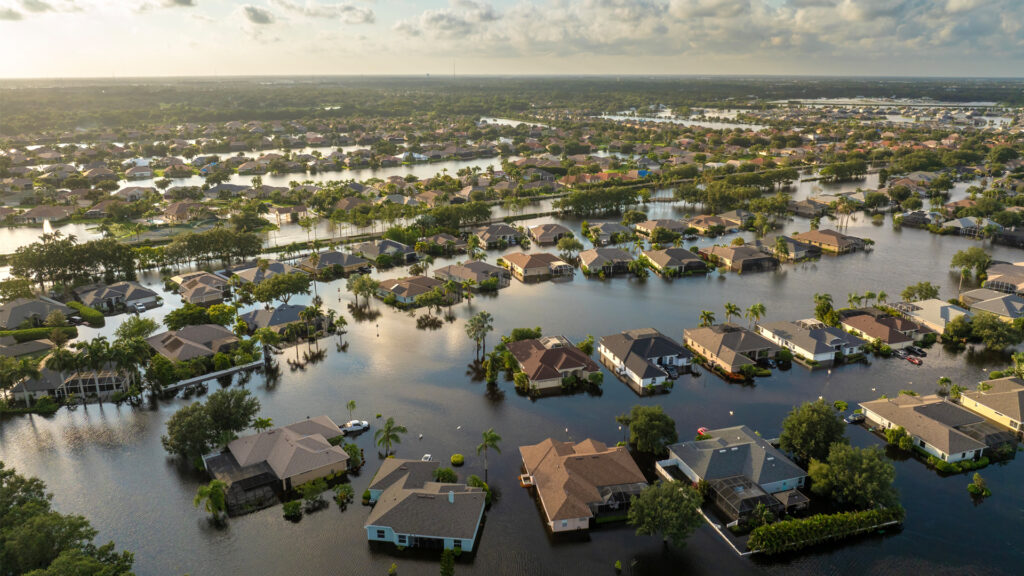
Every June, the question surfaces again across South Florida: am I actually covered if a hurricane hits? The honest answer is more complicated than most homeowners realize, and the gap between what people assume their policy covers and what it actually pays has cost Floridians billions of dollars in uncovered losses over the past decade. Yes, you can get hurricane insurance in Florida. But there is no single policy called “hurricane insurance.” Coverage for hurricane damage is assembled from multiple policies that each handle a different piece of the risk. Getting that assembly right, before a storm forms, is what separates a full recovery from a financial crisis. This guide explains how hurricane coverage works in Florida, what your homeowners policy actually pays for, what it does not touch, how condo insurance works differently, and what to do when your insurer disputes your claim. Is Hurricane Insurance Required in Florida? Florida law does not use the term “hurricane insurance” in its requirements. What the state does require is more specific. Is hurricane insurance required in Florida? Not as a standalone policy. But Florida law requires that any homeowners insurance policy covering wind damage must include a separate hurricane deductible. If your policy covers wind, a hurricane deductible applies automatically, and insurers are required to offer deductible options of $500 flat, 2 percent, 5 percent, or 10 percent of the dwelling’s insured value. For homeowners with a mortgage, lenders require property insurance that includes wind coverage. Lenders in flood zones additionally require flood insurance through the NFIP or a private flood insurer. Together, these lender requirements effectively mandate the core components of hurricane protection, even though no Florida law specifically uses the phrase “hurricane insurance.” For Citizens Property Insurance policyholders, a notable 2026 change applies. Effective January 1, 2026, Citizens policyholders with homes insured above $400,000 in dwelling coverage must carry flood insurance to maintain their Citizens wind coverage. Policyholders near or above that threshold who have not yet added flood insurance should verify compliance before their next renewal. What Does Hurricane Insurance Cover in Florida? Because hurricane protection is not a single product, understanding what does hurricane insurance cover in Florida means understanding what each component policy handles. Wind Damage: Covered by Your Homeowners Policy Your standard Florida homeowners policy covers wind damage from named hurricanes and tropical storms. This includes: Roof damage from wind, including shingle loss, ridge cap displacement, and deck damage Structural damage to walls, siding, and windows caused by wind or wind-borne debris Wind-driven rain that enters your home through a wind-created breach, such as rain entering through a torn roof section or broken window Detached structures on your property, such as a garage or fence, up to the sublimit in your policy What matters here is the cause of the opening. If wind damages your roof and rain then enters through that damaged area, your homeowners policy covers both the roof repair and the resulting interior water damage. If rain enters through a door or window that was not physically damaged by wind, coverage is much less certain and is frequently disputed. The Hurricane Deductible: What It Actually Costs You The hurricane deductible is separate from your standard deductible and applies specifically when a named hurricane causes your loss. It is calculated as a percentage of your home’s insured dwelling value, not a flat dollar amount. On a home insured for $400,000 with a 5 percent hurricane deductible, you pay $20,000 before your insurer pays anything. On the same home with a 2 percent deductible, you pay $8,000. The standard deductible for non-hurricane wind events might be $1,000 or $2,500, a fraction of what the hurricane deductible requires. The hurricane deductible applies whenever the National Hurricane Center officially designates the storm as a hurricane. Tropical storms that cause significant damage but never receive a hurricane designation trigger the standard deductible instead, which is substantially lower. Flood Damage: Not Covered by Any Standard Homeowners Policy This is the gap that surprises more Florida homeowners than any other. Storm surge, rising water from heavy rainfall, overflowing waterways, and coastal flooding are all categorized as flood damage. No standard homeowners policy covers flood damage, regardless of the storm that caused it. A standard homeowners policy in Florida covers wind damage only. Storm surge from a hurricane is flood damage, not wind damage, even if a hurricane caused the surge. This distinction cost thousands of homeowners their full recovery after Hurricane Ian in 2022, when storm surge produced losses that their homeowners policies flatly excluded. Flood insurance must be purchased separately through: The National Flood Insurance Program (NFIP): A federal program offering flood coverage up to $250,000 for the dwelling and $100,000 for personal contents Private flood insurance: Higher limits, broader coverage terms, and sometimes faster claims processing, available through admitted and surplus lines carriers Flood policies have a 30-day waiting period before they take effect. Purchasing flood insurance after a hurricane threatens is not possible. This must be in place well in advance of hurricane season. Additional Living Expenses If hurricane damage makes your home uninhabitable, your homeowners policy typically includes additional living expenses (ALE) coverage. This pays for hotel costs, temporary rental housing, meals, and other reasonable expenses while your home is being repaired, up to the policy sublimit and time limit. Confirm both the dollar limit and the time limit on your ALE coverage before storm season. What Standard Homeowners Policies Do Not Cover Beyond flood damage, there are several other hurricane-related losses that standard policies exclude or significantly limit: Mold following water damage. Florida’s heat and humidity mean mold can develop within 24 to 48 hours of a roof breach or water intrusion. Many policies limit mold remediation coverage to $10,000 or less, which is rarely enough for a significant mold remediation project in a Florida home. Screened enclosures and screen rooms. Policies frequently limit or exclude pool enclosures, screen rooms, and attached screened structures, which are common in South Florida and among the