
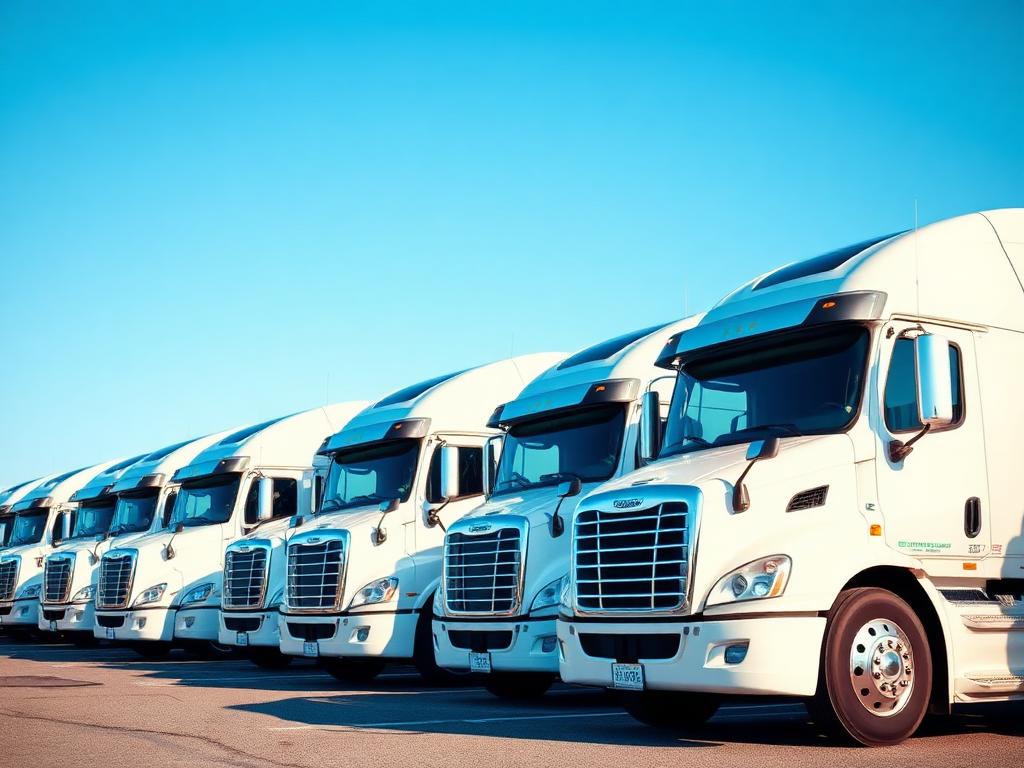
Adding trucks to your operation is usually a sign that the business is growing. But once you are managing multiple vehicles, drivers, routes, and customer requirements, insurance becomes harder to evaluate. You are no longer simply asking what it costs to insure one truck. You need to know whether your coverage still matches the way the entire fleet operates.
That is where comparisons can become misleading. Two fleets with the same number of trucks may have very different premiums because they haul different commodities, travel different distances, use different equipment, hire drivers with different experience levels, or carry different coverage limits. A lower quote may look attractive without making those differences obvious.
Getting the decision wrong can mean more than paying too much for insurance. A missing trailer coverage, inadequate cargo limit, incorrect vehicle information, or liability limit that does not satisfy a contract can create problems when you need the policy most. Understanding how commercial truck fleet insurance works, what affects its cost, and what you should compare can help you make a more informed decision before choosing coverage.
What Does Commercial Truck Fleet Insurance Cover?
Commercial truck fleet insurance can bring multiple commercial vehicles used by the same business into a coordinated insurance program, subject to the insurer’s eligibility and underwriting requirements. The exact structure depends on the insurance carrier, fleet, vehicles, and operations.
Having fleet coverage does not mean that every vehicle, driver, trailer, load, or type of loss is automatically covered. Policies still contain specific limits, deductibles, schedules, exclusions, conditions, and endorsements.
Depending on the operation, coverage may include:
- Primary auto liability: Covers covered bodily injury and property damage liability arising from the operation of insured commercial vehicles, up to the applicable policy limits.
- Physical damage: Helps protect covered tractors, trucks, and other insured equipment against covered collision and comprehensive losses.
- Motor truck cargo: Provides coverage for certain loss or damage to freight in your care while transporting it, subject to policy limits, exclusions, commodities, and deductibles.
- Trailer interchange: Can cover physical damage to non-owned trailers in your possession when you are operating them under a trailer interchange agreement.
- Non-owned trailer physical damage: May apply when you use trailers owned by others without a formal trailer interchange agreement.
- Uninsured or underinsured motorist coverage: May provide protection for certain losses involving motorists who have no insurance or insufficient insurance, depending on the policy and applicable state requirements.
- Reefer breakdown coverage: Can provide protection for certain covered losses involving temperature-controlled freight when refrigeration equipment fails.
Alliance Insurance Group offers commercial trucking coverage that can be structured around factors such as fleet size, vehicle type, operating radius, commodities, garaging, and driver mix.
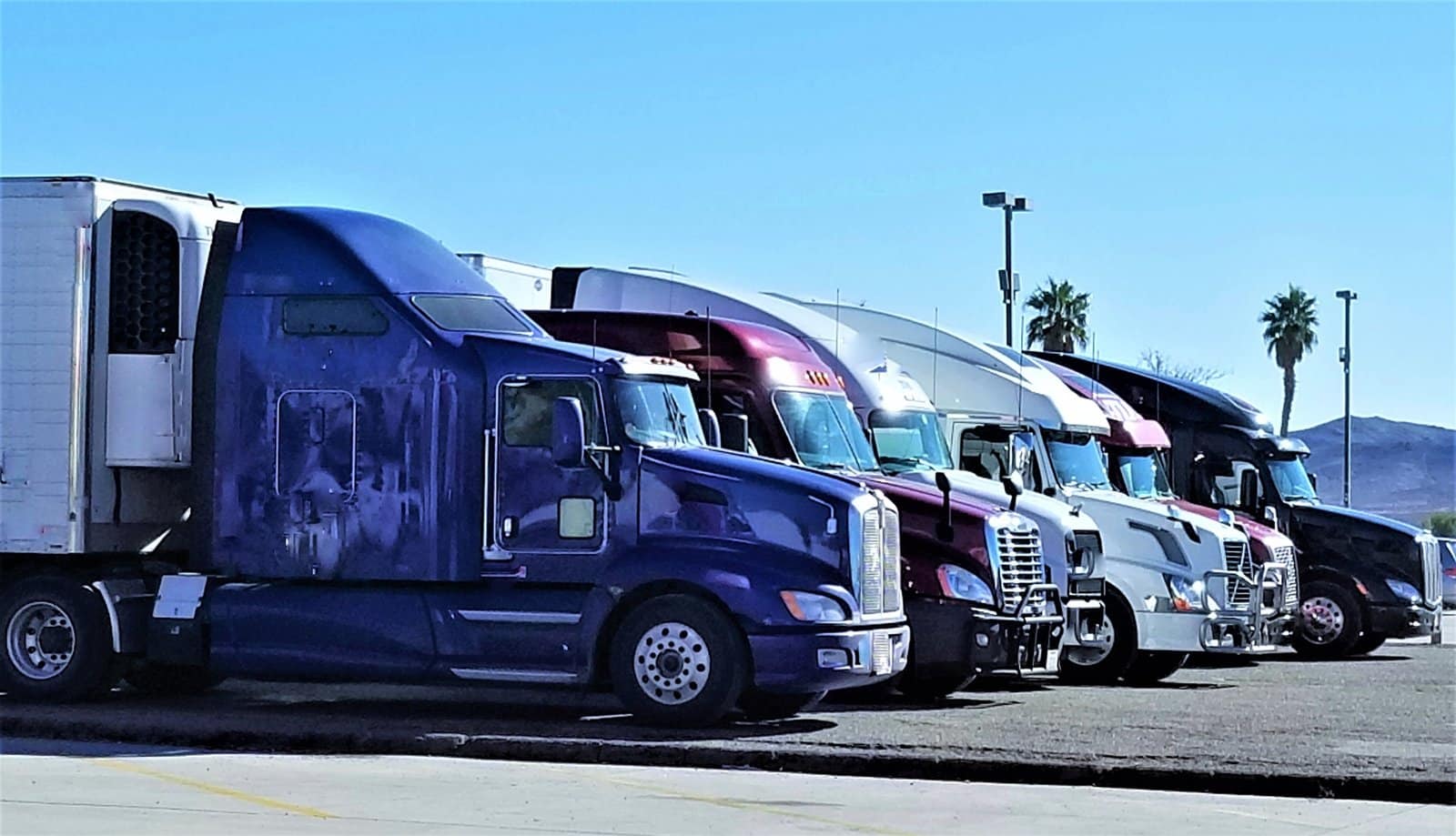
A Fleet Policy Still Needs to Match the Trucks You Actually Operate
Combining multiple trucks into a fleet insurance program may simplify some aspects of insurance management, but the insurer still needs to understand what each part of the operation looks like.
A business running ten similar tractors over established regional routes presents a different exposure from a company operating tractors, box trucks, dump trucks, and specialized trailers across several types of work.
Changes to the business can matter as well.
Adding vehicles, replacing equipment, hiring drivers, entering new states, changing the commodities you haul, increasing your operating radius, or accepting new customer contracts can alter the risks the insurer is being asked to cover.
This is why fleet information needs to remain accurate throughout the policy period. You do not want to discover after a loss that the operation has changed significantly from what was originally represented to the insurer.
What Determines the Cost of Commercial Truck Fleet Insurance?
There is no single commercial truck fleet insurance price that applies to every trucking company. Even a cost-per-truck comparison can be misleading because insurers consider multiple characteristics of the business when underwriting coverage.
Fleet Size and Type of Equipment
The number of trucks matters, but so does the equipment behind that number.
Insurers may consider the type, age, value, configuration, and use of the vehicles being insured. A newer tractor with a high insured value creates a different physical damage exposure than an older local delivery vehicle.
Trailers and specialized equipment can add another layer. Reefer trailers, flatbeds, tank equipment, and other configurations may introduce different coverage considerations.
Driver Experience and Driving History
A fleet is not evaluated only by looking at its trucks. The people operating them matter.
Depending on the insurer, underwriting may consider factors such as commercial driving experience, license history, moving violations, prior accidents, and experience with the type of vehicle being operated.
This can become particularly important for growing fleets. Adding five trucks does not help the operation if finding qualified drivers for those trucks introduces significantly more risk.
Operating Radius and Territory
Where and how far your fleet travels can influence its insurance profile.
A local delivery fleet, a regional carrier, and an operation running long-haul interstate routes spend different amounts of time on the road and encounter different traffic environments and operating conditions.
Garaging location may also be considered because vehicles can face different theft, weather, traffic, and loss exposures depending on where they are normally kept.
Commodities and Cargo Values
What your trucks haul can have a substantial effect on coverage needs.
General freight, refrigerated products, automobiles, construction materials, household goods, and hazardous materials do not present identical risks. Insurers may look at both the type of commodity and its typical value.
Cargo limits also need to make sense for the loads you accept. A limit that works for most shipments may not satisfy a broker or customer offering a significantly higher-value load.
Claims and Loss History
Insurers may review a fleet’s past claims to evaluate both the frequency and severity of previous losses.
Repeated accidents, cargo losses, theft claims, or large liability claims can affect how an insurer views an operation. Loss history can also reveal patterns that a fleet owner may need to address operationally.
For example, repeated backing accidents may suggest a need for different training or procedures. Frequent cargo claims may point toward loading, securement, theft prevention, or handling issues.
Coverage Limits and Deductibles
The amount of protection you select also affects what you pay.
Higher insurance limits can increase the insurer’s potential exposure. Deductibles determine how much of certain covered losses the business agrees to absorb before the applicable insurance responds.
Choosing a larger deductible may reduce some premium costs, but that does not automatically make it the better financial decision. Your business needs to be able to handle that deductible when a loss occurs, including situations where more than one claim happens within a relatively short period.
Federal Insurance Minimums Are Not the Same as Your Fleet’s Ideal Limits
Federal financial responsibility requirements establish an important starting point for applicable motor carriers, but they should not be confused with a recommendation for how much insurance every fleet should carry.
FMCSA currently lists a $750,000 minimum public liability requirement for many for-hire interstate property carriers operating vehicles with a GVWR of 10,001 pounds or more. Certain hazardous-material operations are subject to minimums of $1 million or $5 million, depending on the materials being transported.
Your actual requirements may be different.
Shippers, freight brokers, customers, contracts, lenders, states, and other parties may require limits above the federal minimum. The potential size of a loss is another reason a fleet may choose limits beyond what is minimally required.
Applicable interstate motor carriers may also need federal insurance filings. FMCSA explains that insurance filings such as BMC-91 or BMC-91X are submitted electronically by registered insurance filers rather than by the motor carrier itself. The MCS-90 is an endorsement attached to an applicable motor carrier’s liability policy for federal financial responsibility purposes, rather than an endorsement issued separately for each individual vehicle.
Cargo insurance is another area where fleet owners should distinguish federal requirements from business requirements. FMCSA specifically requires cargo insurance filings for household-goods carriers and household-goods freight forwarders. Other carriers may still need motor truck cargo insurance because brokers, customers, contracts, lenders, or their own risk management practices require it.
How Can Fleets Manage Insurance Costs Without Creating Coverage Gaps?
Cutting coverage is one way to make a quote look cheaper, but it does not necessarily make the fleet less expensive to insure over time.
A better approach is to look at what is creating the risk.
Driver qualification and screening deserve attention because one poor hiring decision can affect much more than payroll. Fleets can also evaluate accident trends, strengthen driver training, maintain equipment, document safety procedures, and establish clear processes for reporting and managing claims.
Policy details should receive the same attention.
Review whether vehicle values remain accurate, whether cargo limits match current loads, whether non-owned trailers are insured under the appropriate coverage, and whether deductibles still make financial sense for the business.
Accuracy also matters during quoting. Give insurers a realistic picture of the fleet’s vehicles, drivers, mileage, operating radius, commodities, garaging, and business activities. A quote based on incomplete information may not be useful for comparing your actual options.
What Should You Compare Between Fleet Insurance Quotes?
Premium matters, but it should not be the only number you compare.
Start by making sure the quotes are actually providing similar protection. Review liability limits, physical damage values, cargo limits, deductibles, trailer coverage, covered vehicles, driver requirements, exclusions, endorsements, and payment terms.
If one quote is significantly cheaper than another, determine what accounts for the difference.
One policy may have a higher deductible. Another may restrict certain commodities. Vehicle values may be different. Trailer coverage may not be structured the same way. Limits may differ even though the proposals initially look similar.
You should also consider how the insurance program will function after coverage begins. Trucking businesses frequently need certificates of insurance, policy changes, vehicle additions and removals, insurance filings, and assistance when claims occur.
Price matters on the day you buy the policy. Service and policy structure can matter throughout the rest of the year.
Build Fleet Insurance Around the Business You Actually Run
Commercial truck fleet insurance cannot be evaluated by truck count alone. Your drivers, vehicles, equipment values, operating territory, commodities, contracts, claims history, limits, deductibles, and trailer arrangements can all affect both coverage and cost.
Before comparing policies, make sure you have an accurate picture of your current operation and the insurance requirements attached to the work you perform. That makes it easier to identify meaningful differences between quotes instead of choosing based only on the lowest premium.
Alliance Insurance Group can help trucking companies review commercial insurance options based on their fleet size, vehicles, drivers, operating radius, cargo, and business requirements.
Frequently Asked Questions About Commercial Truck Fleet Insurance
How many trucks do you need to qualify for fleet insurance?
There is no universal number that applies to every insurance company. Each insurer may define fleet eligibility differently based on vehicle count, ownership, operations, and other underwriting criteria. An insurance agent can determine which fleet programs are available for your particular business.
Is fleet insurance cheaper than insuring each truck separately?
Not necessarily. Fleet insurance can make managing multiple vehicles more practical, but the premium still depends on the risk characteristics of the operation. Driver history, claims, vehicle values, routes, commodities, limits, and other factors can have a greater effect on cost than simply grouping vehicles together.
How much does commercial truck fleet insurance cost?
There is no reliable flat average that applies to every fleet. A small local operation with several box trucks may have a very different premium from a long-haul tractor-trailer fleet even if both companies operate the same number of vehicles.
The most useful estimate comes from quoting the actual vehicles, drivers, routes, commodities, limits, and loss history of your business.
Does adding more trucks lower the insurance cost per truck?
Not automatically. Adding vehicles increases the amount of exposure being insured. Some insurers may price larger fleets differently, but additional trucks can also mean additional drivers, mileage, equipment value, and accident exposure.
The effect depends on the insurer and the overall risk profile of the growing fleet.
Are all of my drivers automatically covered by a fleet policy?
You should not assume they are. Driver eligibility and reporting requirements vary by insurer and policy. Insurers may require information about the drivers operating insured vehicles and may impose restrictions based on driving history, age, experience, licensing, or other underwriting considerations.
Notify your insurance provider when drivers are added or removed and confirm how your particular policy handles drivers.
Is motor truck cargo insurance federally required for every fleet?
No. FMCSA states that federal cargo insurance filing requirements apply specifically to household-goods motor carriers and household-goods freight forwarders.
Other carriers may still need cargo coverage because a shipper, broker, customer, lender, or contract requires it.
What is an MCS-90 endorsement?
The MCS-90 is a federal financial responsibility endorsement used with applicable motor carrier liability policies. FMCSA states that it is attached to the motor carrier’s policy and applies to vehicles subject to the applicable federal financial responsibility requirements rather than being issued separately for each truck.
It should not be treated as a substitute for evaluating the actual coverage, limits, and exclusions in your commercial auto policy.
Does commercial truck fleet insurance cover trailers I do not own?
It can, but the correct coverage depends on how the trailer is being used. Trailer interchange coverage may apply to non-owned trailers used under a trailer interchange agreement, while non-owned trailer physical damage coverage may be appropriate in other arrangements.
The policy should reflect the agreements under which your fleet actually pulls non-owned equipment.
What information do I need to get a fleet insurance quote?
Insurers commonly need detailed information about the business, vehicles, drivers, operations, and prior insurance history. This may include vehicle identification numbers, vehicle values, driver information, operating radius, commodities hauled, loss runs, current limits, garaging locations, and details about the company’s authority and operations.
Providing complete information makes it easier to compare proposals accurately.
How often should a trucking company review its fleet insurance?
At minimum, review coverage at renewal, but do not wait for renewal if the business changes significantly during the policy period.
Adding trucks or drivers, entering new states, hauling different commodities, accepting higher-value loads, using new types of trailers, or signing contracts with different insurance requirements are all reasons to review whether the existing coverage still matches the operation.