
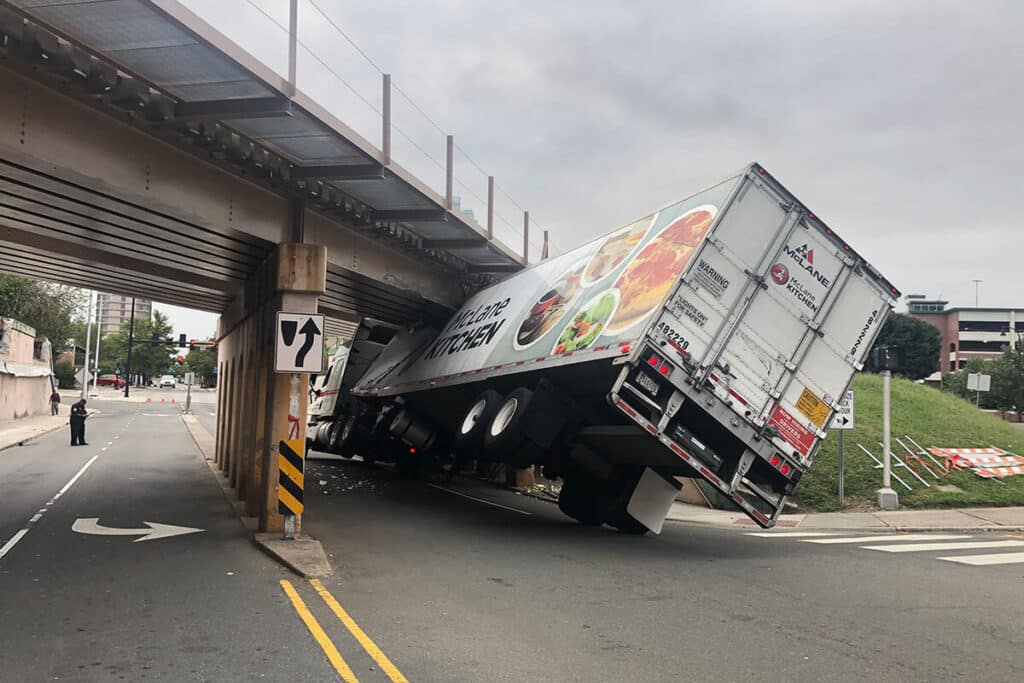
For most truck owners, the vehicle isn’t just a way to get from one place to another. It’s their livelihood. Whether it’s hauling freight across states, making deliveries around the city, or transporting equipment for a business, that truck represents both income and investment. So when something happens to it like a collision on a busy highway, a severe storm, or even theft, the impact is immediate and costly.
That’s why many owner-operators and fleet owners carry physical damage truck insurance. This type of coverage is designed to protect your truck itself, not just your liability to others. It helps pay for repairs or replacement when your truck is damaged, giving you the financial cushion to get back on the road as quickly as possible.
In this guide, we’ll break down what physical damage insurance is, what it covers, why it matters, and how it can keep your business running even when the unexpected happens.
Understanding What Physical Damage Truck Insurance Covers
Physical damage truck insurance is coverage that protects your own vehicle against a wide range of risks. Unlike liability insurance, which only pays for damage to someone else’s property, this coverage is focused on protecting your truck.
It applies whether your truck is parked at a rest stop or traveling on the interstate. Because commercial trucks are high-value assets, even minor accidents can lead to repair bills that are difficult to cover out of pocket. A single loss event can set a business back thousands of dollars and cause costly downtime. Physical damage coverage is meant to prevent that from happening.
There are two major components that make up this protection: truck collision coverage and comprehensive truck insurance.
The Two Core Components of Physical Damage Coverage
Physical damage truck insurance isn’t just one blanket policy. It’s made up of two main parts that work together to give your truck protection on and off the road. One focuses on accidents and collisions, while the other safeguards your vehicle from unexpected events that happen when you’re not behind the wheel.
Understanding how truck collision coverage and comprehensive truck insurance work helps you choose the right protection for your vehicle. These two components form the backbone of most physical damage policies and cover a wide range of risks truck owners face daily.
1. Truck Collision Coverage
This part of the policy covers damage caused by accidents involving other vehicles or stationary objects. It applies whether the accident is your fault or not.
For example, if your truck collides with another vehicle at an intersection or backs into a pole during a delivery, collision coverage helps pay for repairs or replacement. Even a low-speed impact can cause major body or mechanical damage in a heavy commercial vehicle, and repair costs can escalate fast.
Typical scenarios where collision coverage applies include:
- Colliding with another vehicle on the highway
- Backing into a loading dock or barrier
- Rolling over or jackknifing
Without this coverage, those costs would fall entirely on the truck owner. With it, you have a financial safety net that helps keep your business moving.
2. Comprehensive Truck Insurance
Comprehensive coverage protects your truck from non-collision incidents – the unexpected things that can happen even when you’re parked or off-duty. This includes theft, vandalism, fire, natural disasters, falling objects, and certain types of weather damage.
Imagine finishing a long haul and leaving your truck in a secure lot overnight, only to discover it was vandalized or stolen by morning. Or picture returning to a vehicle that has been damaged by hail during a sudden storm. These are exactly the types of events comprehensive coverage is designed to handle.
Situations often covered under comprehensive insurance include:
- Theft or attempted theft
- Vandalism while parked
- Damage caused by storms, hail, or flooding
- Fire or falling debris
Together, collision and comprehensive coverage create a safety net that shields your truck from both on-the-road accidents and unpredictable off-road incidents.
Why Physical Damage Coverage Matters More Than Many Realize
For many truckers, skipping physical damage insurance can feel like a way to save money in the short term. But the truth is, one major accident can easily wipe out those savings and create a financial burden that lingers for months or even years.
Trucks are expensive to repair, and even more expensive to replace. Beyond the immediate repair bill, being unable to work means lost revenue, delayed contracts, and disappointed clients. Physical damage truck insurance is a way of protecting not just the vehicle, but the business behind it.
Here’s why this coverage matters:
- It protects a high-value asset. Trucks are business investments, not just vehicles.
- It covers both collision and non-collision losses. Your truck is protected in a wider range of scenarios, from highway accidents to storm damage.
- It minimizes downtime. Quick access to coverage means you can repair or replace your truck faster and get back on the road.
- It gives peace of mind. When your truck is protected, you can focus on your business, not worst-case scenarios.
Who Should Consider Physical Damage Truck Insurance
This coverage is particularly important for anyone who has a financial stake in their truck. In many cases, lenders and leasing companies require it as part of your agreement. But even if you own your truck outright, protecting it against unexpected losses is a smart move.
You should strongly consider physical damage truck insurance if you are:
- An owner-operator with a financed or leased truck
- A fleet owner responsible for multiple commercial vehicles
- An independent driver relying on one truck for income
- Operating in high-risk areas with heavy traffic, severe weather, or higher theft rates
Even a single claim can more than justify the cost of this coverage.
What Affects the Cost of Physical Damage Insurance
Not all policies cost the same. Your premium depends on several factors, and understanding them can help you make smart coverage decisions without overpaying.
Some of the main factors include:
- Truck value: The higher the value, the more it costs to insure.
- Driving history: Clean records often lead to lower premiums.
- Operating area: Trucks driven in high-risk regions may cost more to insure.
- Deductible amount: A higher deductible may lower monthly costs but increases what you pay out of pocket after a loss.
- Coverage limits: The amount of coverage you select influences your premium.
A good policy strikes the right balance between protection and affordability. A knowledgeable insurance provider can help you find that balance.
How to Choose the Right Coverage
Not all trucking businesses are the same, and your coverage shouldn’t be either. When selecting a comprehensive truck insurance plan, it’s important to consider your unique situation.
Here are a few tips to help you choose wisely:
- Review the type of work your truck does daily. Highway hauls, city deliveries, and yard operations each face different risks.
- Factor in your truck’s age, condition, and market value.
- Balance deductibles with monthly premiums so the policy fits your budget.
- Make sure both collision and comprehensive options reflect your risk exposure.
- Work with a provider that understands the trucking industry.
The right coverage is not just about checking boxes. It’s about protecting your business against the real risks you face every day.
Protect Your Truck with Alliance Insurance
Your truck isn’t just another vehicle. It is the backbone of your business, and without it, everything can come to a halt. Physical damage truck insurance gives you the protection to keep moving forward, even when something goes wrong.
At Alliance Insurance, we provide truck collision coverage and comprehensive truck insurance tailored to the needs of owner-operators and fleets. Our team understands the industry, the risks, and how to structure coverage that actually works for truckers.
Call Alliance Insurance today to speak with one of our specialists and get a policy designed to keep your business rolling.
FAQs About Physical Damage Truck Insurance
What does physical damage truck insurance cover?
Physical damage truck insurance protects your truck against a wide range of risks. This includes damage from accidents, theft, vandalism, fire, and severe weather. It typically has two main parts: truck collision coverage, which applies to road accidents, and comprehensive truck insurance, which covers non-collision events like theft or storm damage. Together, they give your truck full protection on and off the road.
Is physical damage truck insurance required by law?
This type of insurance is not legally required in every state. However, most lenders or leasing companies will require it if your truck is financed. Even if it is not mandatory, many owner-operators choose to carry this coverage to avoid paying large repair or replacement costs out of pocket. It’s an important way to protect your investment.
What is the difference between collision and comprehensive coverage?
Collision coverage pays for damage caused by crashes involving other vehicles or stationary objects, such as loading docks, poles, or barriers. Comprehensive coverage applies to non-collision incidents, such as theft, vandalism, fire, flooding, or hail damage. Having both means your truck is covered in nearly every scenario, whether it’s on the road or parked.
Does this insurance cover accidents where I am at fault?
Yes. One of the main advantages of physical damage truck insurance is that it covers your truck even when you are at fault for the accident. If you collide with another vehicle or object, truck collision coverage can help pay for repairs or replacement. This gives you financial security in situations where liability insurance alone would not be enough.
How is the cost of physical damage truck insurance determined?
The cost depends on several factors, including the value of your truck, your driving history, your operating area, and the coverage limits you choose. Higher deductibles can lower your premium, but they increase your out-of-pocket costs if you file a claim. Working with an experienced insurance provider can help you find the right balance between protection and affordability.
Who should consider getting this coverage?
Physical damage coverage is recommended for anyone who relies on their truck for business. This includes owner-operators, fleet owners, and independent drivers. It is especially important for trucks that are financed or leased. Even if your truck is fully paid off, this coverage can protect you from major financial losses in the event of an accident or other damage.
Can I choose only collision or only comprehensive coverage?
Yes, you can choose to carry only one type of coverage. Some truck owners select only truck collision coverage if they are mostly concerned about accidents on the road. Others choose comprehensive truck insurance to protect against theft or weather damage. However, having both provides the most complete protection since it covers your vehicle in almost every situation.
Will this coverage help if my truck is totaled?
Yes. If your truck is declared a total loss after an accident or another covered incident, your physical damage truck insurance can help pay for its actual cash value at the time of the loss, minus your deductible. This can make a huge difference in getting you back on the road quickly instead of facing the full cost of replacement on your own.
Does this insurance cover equipment or cargo inside the truck?
No. Physical damage truck insurance is designed to cover the truck itself, not the cargo or any personal equipment inside. If you want protection for what you’re hauling, you would need separate cargo insurance. If you have mounted equipment, such as refrigeration units or liftgates, ask your insurer about additional endorsements that can extend coverage.
How quickly can I get coverage once I apply?
In many cases, physical damage truck insurance can be activated shortly after you apply, especially if your paperwork and vehicle details are complete. For fleet policies or trucks with higher insured values, the process may take a bit longer because of underwriting. A good insurance provider will walk you through the steps and help ensure you’re covered before your next job.