
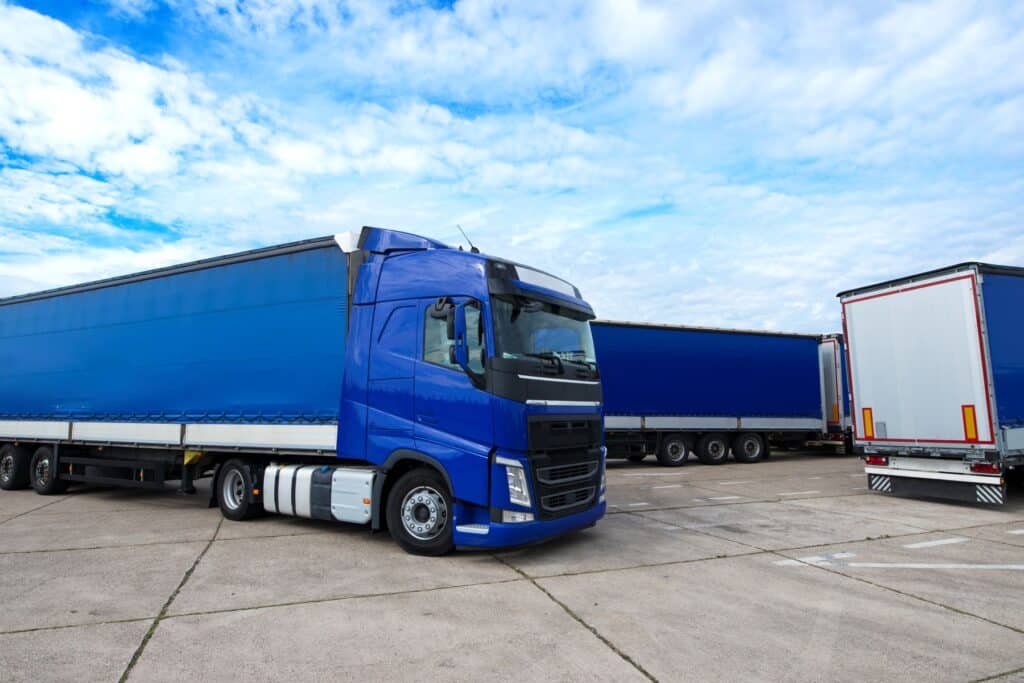
Commercial truck insurance costs in Florida continue to rise, and for many operators, premiums feel increasingly difficult to manage. Between higher repair costs, stricter underwriting, and increased claim severity, cutting coverage can feel like the only way to reduce expenses. Unfortunately, that approach often creates bigger problems down the line.
Lowering costs without weakening protection is possible, but it requires understanding how insurers evaluate risk and where meaningful savings actually come from. For businesses carrying Commercial Truck Insurance Florida, the key is improving risk quality, not reducing coverage limits.
This article explains practical, sustainable ways to reduce commercial truck insurance costs by improving how insurers view your operation, rather than exposing your business to uncovered losses.
Why Cutting Coverage Is Usually the Wrong Move
When premiums increase, the most common reaction is to lower limits or remove coverage. While this can reduce costs in the short term, it often increases financial exposure significantly.
Reducing coverage may lead to:
- Higher out-of-pocket costs after an accident
- Greater exposure to lawsuits
- Contract compliance issues
- Denied claims due to missing endorsements
Commercial truck insurance is designed to protect against large, unpredictable losses. Weakening that protection rarely saves money when a claim occurs.
How Insurers Actually Price Commercial Truck Insurance
To lower costs effectively, it helps to understand how insurers calculate premiums. Pricing is based on risk, not just vehicle count or mileage.
Insurers typically evaluate factors such as:
- Claim frequency and severity
- Driver behavior and experience
- Vehicle usage and routes
- Safety controls and compliance history
- Operational consistency
Improving these areas often leads to better pricing than removing coverage.
Start With Driver Risk, Not Policy Limits
Drivers are one of the biggest contributors to claim costs. Even well-maintained trucks can generate losses if driving behavior creates unnecessary risk.
Insurers look closely at:
- Motor vehicle records
- Accident history
- Training programs
- Supervision and accountability
Improving driver risk profiles can directly reduce premiums over time.
Use Fleet Safety Programs to Reduce Risk
Fleet safety programs show insurers that risk is actively managed, not ignored. A structured safety program can significantly influence underwriting decisions.
Effective fleet safety programs often include:
- Regular driver training and refreshers
- Clear safety policies and procedures
- Incident reporting and review processes
- Ongoing performance monitoring
Insurers reward fleets that demonstrate a commitment to reducing accidents, which can translate into lower premiums and access to truck insurance discounts.
How Telematics Can Lower Insurance Costs
Telematics has become one of the most powerful tools for controlling commercial truck insurance costs. These systems track real-world driving behavior, allowing operators to identify and correct risky habits.
Telematics data may include:
- Speed patterns
- Harsh braking or acceleration
- Idle time
- Route consistency
- Hours-of-service compliance
When used correctly, telematics supports safer driving, fewer accidents, and stronger underwriting profiles. Many insurers offer pricing incentives or truck insurance discounts to fleets that implement telematics programs effectively.
Improve Maintenance and Inspection Practices
Vehicle condition plays a major role in accident prevention. Mechanical failures often lead to severe claims, especially in commercial trucking.
Insurers look favorably on operations that maintain clear maintenance records and proactive inspection schedules.
Strong maintenance practices typically involve:
- Documented preventive maintenance schedules
- Pre-trip and post-trip inspections
- Prompt repairs of identified issues
- Clear accountability for vehicle condition
Well-maintained fleets experience fewer breakdown-related claims, which helps control premiums.
Reduce Claim Frequency Through Better Reporting and Response
How claims are handled matters almost as much as how often they occur. Delayed reporting, poor documentation, and inconsistent responses can increase claim costs.
Improving claims management includes:
- Prompt reporting of incidents
- Accurate documentation
- Cooperation with adjusters
- Post-incident reviews to prevent recurrence
Insurers consider both frequency and severity when setting rates. Reducing small, preventable claims can have a meaningful impact on long-term pricing.
Review Routes and Operating Areas
Route selection affects risk exposure. High-traffic corridors, dense urban areas, and congested delivery zones increase accident likelihood.
While routes cannot always be changed, reviewing operating patterns can identify areas where risk is unnecessarily high.
Operators may reduce exposure by:
- Adjusting delivery schedules to avoid peak traffic
- Limiting access to high-risk zones when possible
- Standardizing routes for consistency
Consistency improves predictability, which insurers prefer.
Use Policy Structure to Control Costs Without Reducing Coverage
Insurance costs are also influenced by how a policy is structured. Adjustments can be made without weakening protection.
Cost-control strategies may include:
- Reviewing deductibles carefully
- Aligning limits with actual exposure
- Removing unnecessary endorsements
- Ensuring accurate vehicle and usage classifications
Small structural changes can improve pricing when aligned with real operations.
Why Fleet Size and Stability Matter
Insurers prefer stable operations. Rapid growth, frequent vehicle turnover, or inconsistent driver rosters increase uncertainty.
Demonstrating stability through consistent operations, controlled growth, and documented processes improves underwriting confidence.
Stable fleets are more likely to qualify for better pricing and truck insurance discounts.
How Alliance Insurance Helps Control Costs Strategically
Lowering commercial truck insurance costs requires more than shopping for the cheapest quote. It requires understanding how insurers view risk and aligning coverage with real operations.
Alliance Insurance works with Florida trucking businesses to review risk factors, identify opportunities for improvement, and structure Commercial Truck Insurance Florida policies that balance cost control with strong protection. This includes evaluating fleet safety programs, telematics use, maintenance practices, and policy structure to ensure savings come from better risk management, not reduced coverage.
If your goal is to lower insurance costs without exposing your business to uncovered losses, the next step is to review how your operation is being underwritten. Schedule a policy and risk review before renewal to identify where adjustments can reduce premiums without weakening coverage.
Frequently Asked Questions About Lowering Commercial Truck Insurance Costs in Florida
How can I lower Commercial Truck Insurance Florida costs without reducing coverage?
Lowering costs usually comes from improving how insurers assess your risk rather than cutting protection. Driver performance, claims history, operational consistency, and safety controls all affect pricing. Many Florida trucking businesses work with Alliance Insurance to review these factors and identify where cost reductions are possible without weakening coverage.
What truck insurance discounts are available for Florida trucking businesses?
Truck insurance discounts may be available for clean driving records, fleet safety programs, telematics participation, stable operations, and long-term carrier relationships. Alliance Insurance helps trucking operators identify which discounts apply to their specific fleet and which improvements are most likely to influence pricing.
How do fleet safety programs impact Commercial Truck Insurance Florida premiums?
Fleet safety programs demonstrate that risk is actively managed rather than reactive. Insurers often view documented training, clear policies, and accountability measures favorably. Alliance Insurance frequently reviews safety programs with fleets to help position them more competitively during underwriting and renewal.
Can telematics actually help reduce insurance costs?
Yes. Telematics provides objective data on driving behavior, which can reduce accidents and support better underwriting decisions. When implemented correctly, telematics can contribute to truck insurance discounts and improved long-term pricing. Alliance Insurance often assists fleets in understanding how insurers evaluate telematics data.
Will insurers penalize fleets for telematics data?
Telematics data is primarily used to assess patterns, not punish isolated incidents. When data shows improved behavior over time, it strengthens the underwriting profile. Many fleets choose to review telematics results with Alliance Insurance to ensure the data is being presented accurately to insurers.
Does claim frequency affect insurance pricing more than claim size?
Frequent small claims often have a greater long-term impact on premiums than a single large loss. Reducing preventable incidents through training and monitoring can improve pricing over time. Alliance Insurance helps fleets analyze claims patterns to identify where changes can reduce future costs.
Can adjusting deductibles lower premiums without increasing risk?
In some cases, yes. Adjusting deductibles can lower premiums while keeping coverage limits intact, as long as deductibles align with cash-flow tolerance. Alliance Insurance typically reviews deductible options alongside overall risk exposure to avoid unintended financial strain after a claim.
Does fleet size or stability affect access to better rates?
Insurers generally prefer stable fleets with consistent drivers and controlled growth. Sudden expansion or frequent turnover can increase perceived risk. Alliance Insurance works with Florida fleets to present their operations clearly so underwriters understand stability rather than uncertainty.
When is the best time to review Commercial Truck Insurance Florida for cost savings?
The best time is well before renewal. Early reviews allow time to improve safety practices, apply discounts, and adjust policy structure. Many trucking businesses schedule annual reviews with Alliance Insurance to identify cost-saving opportunities before rates are finalized.