
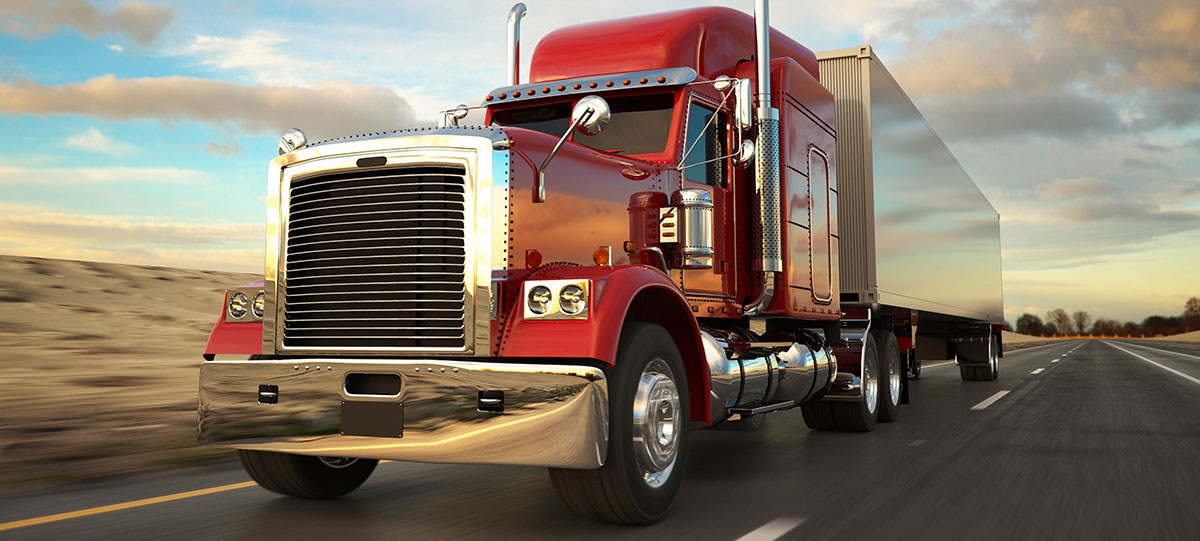
If you operate a commercial truck in Miami or anywhere in South Florida, understanding your commercial truck insurance requirements is not just smart business. It is the law. Between state regulations, federal mandates from the FMCSA, and the unique risks of driving in one of the country’s most congested and weather-prone corridors, getting your coverage right is non-negotiable.
This guide breaks down everything Miami truckers need to know: Florida-specific minimums, federal requirements for interstate haulers, what changes for high-risk drivers, and the extra coverages that keep South Florida operations truly protected.
Commercial Truck Insurance 101: The Basics Every Trucker Should Know
Before diving into the requirements, let’s cover the fundamentals. Commercial truck insurance is a specialized form of coverage built for trucking operations, not just a commercial auto policy with a higher limit. It typically includes:
- Primary Liability Insurance: Covers bodily injury and property damage you cause to others. This is the foundation of any compliant trucking policy.
- Motor Truck Cargo Insurance: Protects the freight you’re hauling from theft, damage, or loss in transit.
- Physical Damage Coverage: Pays for repairs or replacement of your own truck, whether from a collision, fire, theft, or weather.
- Personal Injury Protection (PIP): Required for all Florida drivers, PIP covers your medical expenses regardless of fault.
- Non-Trucking Liability (Bobtail Insurance): Covers you when you’re driving your truck without a trailer, such as between jobs.
- Uninsured/Underinsured Motorist Coverage: Protects you when an at-fault driver has no insurance or insufficient coverage. This is especially relevant in Florida, where uninsured drivers are a persistent problem.
Understanding these building blocks is essential before you can assess whether your current policy actually meets Florida’s commercial trucking insurance requirements.
Florida Commercial Truck Insurance Requirements: State Minimums
Florida’s requirements for commercial trucks depend on two key factors: the gross vehicle weight rating (GVWR) of your truck and the type of cargo you haul.
Intrastate Operations (Florida Only)
For trucks operating solely within Florida and hauling non-hazardous cargo, Florida Statute §627.7415 sets the following combined bodily injury and property damage liability minimums based on GVWR:
| Gross Vehicle Weight Rating (GVWR) | Minimum Liability Coverage |
| Under 26,000 lbs | Standard commercial auto minimums apply |
| 26,000 to 34,999 lbs | $50,000 per occurrence |
| 35,000 to 43,999 lbs | $100,000 per occurrence |
| 44,000 lbs or more | $300,000 per occurrence |
Note that GVWR is the maximum allowable weight of the vehicle including fuel, driver, and cargo, not just the weight of the empty truck. A truck with a curb weight of 24,000 lbs could easily have a GVWR that pushes it into a higher coverage tier.
For cargo type, Florida’s intrastate requirements also scale with risk:
- Household goods: Minimum $300,000 liability coverage
- General freight: Minimum $750,000 liability coverage
- Oil transport: Minimum $1,000,000 liability coverage
- Hazardous materials: Minimum $5,000,000 liability coverage
All Florida commercial trucks must also carry Personal Injury Protection (PIP) as required under the state’s no-fault insurance laws.
Federal Commercial Truck Insurance Minimum Requirements (FMCSA)
If your truck crosses state lines, even just once, you’re subject to Federal Motor Carrier Safety Administration (FMCSA) requirements, which typically exceed Florida’s intrastate minimums.
FMCSA Minimum Liability by Cargo Type
| Cargo Type | FMCSA Minimum Liability |
| Non-hazardous freight (over 10,001 lbs GVW) | $750,000 |
| Oil and non-hazardous substances | $1,000,000 |
| Hazardous materials | $1,000,000 to $5,000,000 |
| Passenger vehicles (16 or more passengers) | $5,000,000 |
For smaller vehicles hauling non-hazardous cargo, the minimum drops to $300,000. However, most Miami-area operators running loads to or from PortMiami or along I-95 corridors will fall under the $750,000 threshold.
Required FMCSA Filings for Interstate Operators
Beyond coverage limits, interstate truckers must submit proof of insurance directly to the FMCSA:
- BMC-91 or BMC-91X: Proof of bodily injury and property damage liability insurance for motor carriers
- MCS-90 Endorsement: A policy endorsement that guarantees minimum coverage, functioning like a bond
- BOC-3 Form: Designates a process agent in each state where you operate
Your insurance carrier typically submits these filings on your behalf. Without them, you cannot obtain your MC (Motor Carrier) Number, and without that, you cannot legally haul freight for hire across state lines.
Miami-Specific Risks That Affect Your Coverage Needs
Meeting the Florida commercial truck insurance requirements gets you legal. In Miami, though, legal minimums often aren’t enough. South Florida’s trucking environment is genuinely different from the rest of the country, and your policy should reflect that.
Hurricane and Flood Exposure
Miami sits in one of the most active hurricane corridors in the US. A standard physical damage policy may not cover flood losses if that endorsement is not explicitly included. If your trucks are parked in low-lying areas during storm season, this gap can be catastrophic.
PortMiami Traffic and Cargo Theft
PortMiami is one of the busiest cargo ports in North America, generating heavy truck traffic along the MacArthur Causeway, I-395, and surrounding arterials. It also attracts cargo thieves who target high-value container loads. Motor Truck Cargo Insurance with adequate limits is critical for anyone running port loads.
Congestion and Accident Rates
The I-95 interchange at the Golden Glades, right in Miami’s backyard, consistently ranks among the worst truck bottlenecks in the entire country. More congestion means more fender-benders, more rear-end collisions, and a higher frequency of claims. That’s part of why Florida commercial truck insurance costs run higher than national averages.
Commercial Truck Insurance for High-Risk Drivers in Florida
If you’ve had accidents, traffic violations, cargo claims, or lapses in coverage, you may be classified as a high-risk driver by standard insurance carriers. This doesn’t mean you can’t get insured. It means you need to work with an agency that specializes in high-risk commercial trucking accounts.
What Makes a Driver “High-Risk”?
Insurers evaluate risk based on several factors:
- Driving record: Accidents, DUIs, speeding tickets, or hours-of-service violations
- Claims history: Prior cargo losses, liability claims, or frequent physical damage claims
- Years of CDL experience: New drivers with less than 2 years of experience often face higher premiums
- Type of cargo: Hauling hazardous materials, oversized loads, or high-value freight increases perceived risk
- Coverage lapses: Even a short gap in insurance history can trigger higher rates
Options for High-Risk Truckers
High-risk drivers aren’t without options. Non-standard or surplus lines insurers, often accessed through independent agencies like Alliance Insurance, specialize in placing policies for operators that standard markets have declined or rated up. Strategies to improve your position include:
- Enrolling in telematics programs: Insurers increasingly offer discounts for dash cams and GPS-based monitoring that demonstrates safe driving behavior
- Completing defensive driving courses: Some carriers will rate you more favorably with documented safety training
- Maintaining a clean fleet: Proper vehicle maintenance records signal lower mechanical failure risk
- Building a safety program: Fleets with written drug testing policies, driver qualification files, and safety protocols are more attractive to underwriters
- Working with a specialty broker: An independent agent with access to multiple carriers, including surplus lines markets, can find competitive options even when standard markets pass
The key is not to go bare or operate with inadequate coverage because standard pricing feels out of reach. The financial exposure from a single uninsured accident far exceeds years of premiums.
Coverage Beyond the Minimums: What Miami Truckers Should Consider
Florida’s commercial truck insurance minimum requirements set the floor. For most Miami operations, the following additional coverages are worth serious consideration:
Refrigerated Cargo (Reefer) Breakdown Coverage: If you haul temperature-sensitive freight, a reefer unit failure can mean total cargo loss. Standard cargo policies often exclude mechanical breakdown of the refrigeration system.
Trailer Interchange Insurance: If you pull trailers you don’t own under interchange agreements, which is common at PortMiami, this covers physical damage to those trailers while in your care.
Occupational Accident Insurance: For owner-operators who are independent contractors, this provides injury coverage similar to workers’ comp when you’re not covered under a fleet policy.
Excess/Umbrella Liability: Many shippers, freight brokers, and port operators now require carriers to carry $1 million or more in liability. An umbrella policy allows you to meet those contract requirements without replacing your primary policy.
Stay Compliant and Protected With the Right Coverage Partner
Meeting Florida’s commercial truck insurance requirements requires more than just the cheapest policy you can find. It requires coverage that’s actually structured for how you operate. Whether you’re an owner-operator pulling containers out of PortMiami, a fleet manager running I-95 daily, or a new CDL holder trying to get legal fast, the right insurance partner makes all the difference.
At Alliance Insurance, we work with carriers that specialize in Florida commercial trucking, including options for high-risk drivers, new ventures, and specialized cargo haulers. We help you meet both state and federal requirements while finding coverage that protects your business, not just the minimum that keeps you out of trouble.
Get a free commercial truck insurance quote
Questions? Call us at (888) 481-3132.
Frequently Asked Questions About Commercial Trucking Insurance Requirements
Do I need commercial truck insurance even if I only drive in Florida?
Yes. Florida law requires minimum liability coverage for all commercial trucks operating in the state, with limits that vary based on vehicle weight and cargo type. PIP coverage is also mandatory statewide.
What happens if I drive across state lines without FMCSA-compliant insurance?
Operating without proper FMCSA filings can result in loss of your operating authority (MC Number), substantial fines, and personal financial liability in the event of an accident. Your policy may also be voided for that trip.
Can I get commercial truck insurance with a CDL suspension or prior DUI?
It’s more difficult, but not impossible. Specialty and non-standard markets can often accommodate drivers with serious violations. Expect higher premiums and potentially limited carrier options.
What’s the difference between primary liability and non-trucking liability?
Primary liability applies when you’re operating under dispatch, hauling a load for a motor carrier. Non-trucking liability (bobtail insurance) covers you when you’re using the truck for personal or non-business purposes without a load attached.
How much does commercial truck insurance cost in Miami?
Most Miami truckers pay between $8,000 and $14,000 per year for combined liability and physical damage coverage. Rates vary significantly based on truck type, cargo, driving record, and whether you operate intrastate or interstate.
What is a BMC-91X filing?
It’s the form your insurance carrier files directly with the FMCSA to prove you maintain the minimum required liability coverage. Without it, you cannot legally operate as a for-hire motor carrier across state lines.
Does my commercial truck insurance cover my cargo?
Standard liability insurance does not cover your cargo. You need a separate Motor Truck Cargo Insurance policy to protect the freight you haul from damage, theft, or loss in transit.