
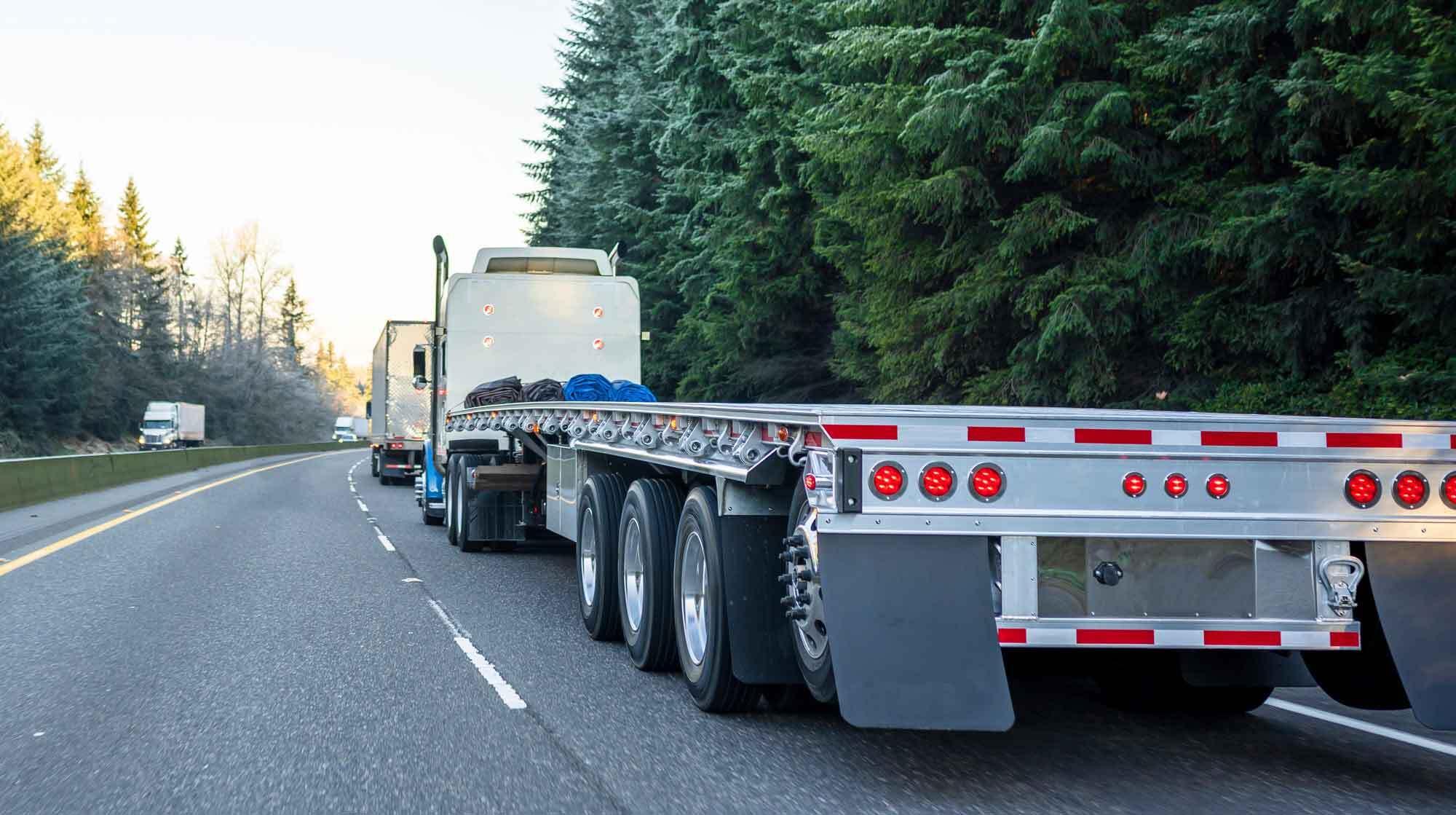
Flatbed work is not priced like “regular trucking” for a reason.
When you haul open-deck freight, you are not just driving point A to point B. You are managing securement, load shifts, tarps, binders, edge protection, exposure to weather, jobsite conditions, and a higher chance of claims that start with one small detail.
That is why commercial truck insurance in Florida for flatbeds is its own category. Underwriters look at flatbed risk differently, and Florida adds its own realities: heat, storms, coastal corrosion, dense traffic corridors, and high claim severity in certain areas.
This guide breaks down what insurers care about for flatbed operations, the coverages that actually matter, why pricing changes based on your freight and weight class, and how to build a policy that fits your real operation instead of a generic “trucking policy.”
Why Flatbed Trucking Insurance In Florida Is Treated Differently
With a dry van, the cargo is enclosed and the load is typically controlled by the trailer structure. With flatbed, the freight is exposed and the risk shifts to:
- How the load is secured
- How it behaves during braking and turns
- How it’s protected from weather
- How it is loaded and unloaded at jobsites
- How often people climb on/off the trailer
That is why flatbed trucking insurance in Florida is influenced heavily by operational discipline. Insurers are not only pricing the truck. They are pricing the securement culture. That becomes even more important when your routes go beyond Florida, because commercial truck insurance for Florida-based fleets operating across state lines can bring added compliance, exposure, and underwriting considerations that do not show up on local-only operations.
Florida Trucking Liability Limits: What You Need Vs What You’ll Be Asked For
“Liability” is the foundation of trucking insurance. It responds when your truck causes bodily injury or property damage to others.
For flatbed operations, insurers pay attention to:
- Frequency of lane changes and tight turns with long loads
- Highway vs jobsite exposure
- The severity potential if freight shifts or detaches
When people ask about Florida trucking liability limits, they usually mean: “What limit should I carry so I can work and not get rejected by contracts?”
That depends on:
- Whether you’re operating under your own authority or leased on
- The brokers/shipper requirements you want to meet
- Your freight type and claim severity risk
- Whether you handle heavy haul, oversized, or construction loads
The mistake new operators make is choosing a limit that barely meets minimum expectations, then realizing their best-paying loads require higher limits. That problem tends to hit hardest when owners have not fully understood the Florida commercial truck insurance requirements new trucking businesses miss in the early stages.
Cargo Securement Insurance In Florida: What Insurers Are Really Worried About
There isn’t usually a standalone policy called “cargo securement insurance.” What people mean is this:
Flatbed claims often come from securement failures, and insurers underwrite your cargo exposure accordingly.
Securement-related losses can involve:
- Load shifting that damages freight
- Binders snapping or loosening
- Edge damage from straps or chains
- Tarps tearing and exposing cargo to rain
- Freight falling and causing roadway damage or injury
This is why cargo securement insurance in Florida is really about two things:
- Your cargo coverage structure and exclusions
- Your securement practices and documented routines
Insurers like to see consistency. If you can clearly explain your securement standards and what you haul, your underwriting profile improves.
Heavy Haul Truck Insurance In Florida: When Your Operation Changes Categories
If your flatbed work includes heavier weights, oversized loads, specialized trailers, or more complex jobsite delivery, you may be looking at heavy haul truck insurance in Florida—which changes the risk profile again.
Insurers consider:
- Higher severity potential in accidents
- Braking distance and stability risks
- Route planning and permit discipline
- Driver experience specifically in heavy haul
- Specialized equipment values
If you occasionally do heavy haul but mostly run standard flatbed freight, be careful. Mixing operations without clarifying it can create rating and coverage issues.
This is where specialized truck insurance in Florida matters, policies need to match what you actually do, not what you “mostly” do.
Physical Damage Coverage Flatbed Trucks: What You Should Think About In Florida
Flatbed rigs and equipment often take more physical wear than other setups because you’re dealing with:
- Loading docks and forklift impact risk
- Jobsite hazards
- Chains, binders, and equipment contact points
- Exposure to weather and road debris
Physical damage coverage flatbed trucks is usually split into:
- Collision (accidents and impact)
- Comprehensive (theft, vandalism, weather, fire, falling objects)
In Florida specifically, comprehensive considerations come up more often due to storms, flooding in certain areas, and higher theft risk depending on where you park.
Also, don’t ignore attached equipment. If your operation depends on certain gear, make sure your policy structure reflects what you own and what would be costly to replace.
Commercial Flatbed Insurance Cost In Florida: What Drives Pricing
People want a number. The reality is that commercial flatbed insurance cost in Florida is determined by how underwriters interpret your risk signals.
Pricing is commonly influenced by:
1) Authority Type And Experience
New authority is typically priced higher. Established authority with clean loss history is priced more favorably.
2) Freight Type
Steel, lumber, equipment, construction materials, and mixed freight can be viewed differently. Some cargo types have higher theft risk or higher damage severity.
3) Radius And Lanes
Local jobsite runs vs long-haul interstate routes can change exposure.
4) Weight Class And Heavy Haul Exposure
Heavier loads increase severity. If you’re pushing into heavy haul territory, expect higher premiums.
5) Driver History And Claims
MVR issues, prior losses, and driver experience with flatbeds matter.
6) Parking And Security
Where you park the rig and how you secure it affects theft and vandalism risk.
7) Equipment Value
Higher truck value increases physical damage premium. Trailer type and value can also impact cost.
The better your operation is defined, the less your quote feels like a guess.
Specialized Truck Insurance In Florida: When A “Standard Policy” Is Not Enough
Flatbed is already more specialized than many trucking operations, but some operators go further:
- Oversized/overweight
- Construction delivery into active sites
- Mixed trailer setups
- High-value freight with tight contract requirements
- Multi-driver fleets
That is where specialized truck insurance in Florida comes in. A standard policy can leave gaps if it doesn’t match:
- Your contract obligations
- Your cargo type
- Your equipment values
- Your real operational exposure
If your freight is changing, your policy should change with it.
What To Prepare Before You Shop Commercial Truck Insurance In Florida For Flatbeds
To get clean quotes and fewer delays, have these ready:
- DOT/MC status (leased on vs authority)
- Operating radius and primary lanes
- Freight types and typical load values
- Trailer type(s), equipment type(s), heavy haul exposure (if any)
- Garaging/parking address and security setup
- Driver list + experience (especially flatbed/heavy haul background)
- Loss runs or claim history (if available)
Insurers do not just price “flatbed.” They price your version of flatbed.
Get A Flatbed Policy That Matches How You Actually Haul
Flatbed operations are judged by what can go wrong fast: securement, jobsite exposure, heavy loads, and higher severity claims. That is why the smartest move is not to buy the cheapest policy. It is to structure commercial truck insurance in Florida around your real freight, your lanes, and your equipment, so you’re not exposed when something shifts, snaps, or gets damaged.
If you want help getting the right coverage for flatbed work, Alliance Insurance can walk you through your options and build a policy that fits your operation, whether you need standard flatbed coverage, higher limits, or heavy haul truck insurance in Florida. Reach out to Alliance Insurance and get guidance that helps you protect the business you’re building.
FAQs
What makes flatbed trucking insurance in Florida more expensive than other trucking?
Flatbed claims often involve securement failures, load shifts, and jobsite exposure, which can increase frequency and severity risk. Florida weather and traffic can also raise claim severity.
What are typical Florida trucking liability limits for flatbed operators?
Limits depend on authority type and contract requirements. Many brokers require higher limits than the bare minimum. Your best limit is the one that matches your lanes, freight risk, and the contracts you want to sign.
Do I need cargo securement insurance in Florida?
Most operators mean cargo coverage that protects freight when securement-related damage happens. The right cargo policy and securement discipline matter because flatbed cargo is exposed and more prone to shifting or weather damage.
What’s included in physical damage coverage for flatbed trucks?
Physical damage usually includes collision and comprehensive damage. It helps cover the truck (and sometimes trailer, depending on your setup) for accidents, theft, vandalism, and weather events.
When do I need heavy haul truck insurance in Florida?
If you haul oversized/overweight freight, operate specialized trailers, or handle higher weight classes that increase accident severity, you may need a heavy haul-focused structure.
How can I lower commercial flatbed insurance costs in Florida?
Clear operational details, experienced drivers, safe securement routines, consistent freight types, secure parking, and maintaining a clean claims record can all improve underwriting outcomes over time.
Is specialized truck insurance in Florida necessary for flatbeds?
Not always, but it becomes important when your operation includes heavy haul exposure, high-value freight, complex contracts, or multiple equipment types that a standard policy may not cover correctly.
Can Alliance Insurance help if I’m a new authority running flatbed?
Yes. Alliance Insurance can help structure a policy that matches your authority status, freight type, and contract needs, so you can operate without compliance or coverage surprises.