
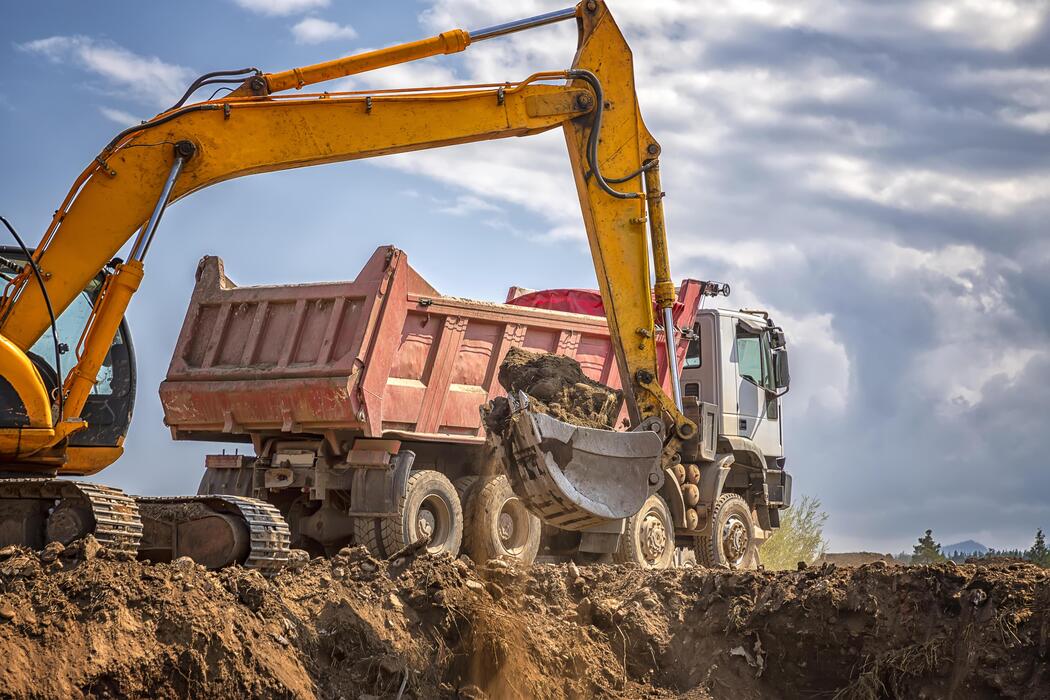
Dump trucks are essential across Florida’s construction, landscaping, and infrastructure industries. They haul everything from sand and gravel to debris and demolition waste, often operating in high-traffic areas and under demanding conditions. Because of that, dump trucks also represent a higher level of risk compared to standard commercial vehicles.
When operators look at their insurance costs, many assume premiums are driven only by driving history or vehicle age. In reality, payload weight and load type play a major role in how dump truck insurance is priced. For anyone carrying Dump Truck Insurance Florida, understanding how these factors affect coverage can help explain why rates vary so widely from one operation to another.
This article breaks down how weight and load type influence dump truck rates, how insurers assess risk, and what Florida operators should consider when reviewing their commercial truck coverage.
Why Dump Truck Insurance Is Priced Differently in Florida
Dump trucks operate under different conditions than most commercial vehicles. They carry heavier loads, stop and start frequently, and often work in construction zones where accidents are more likely. Florida adds another layer of complexity with dense traffic, urban job sites, coastal construction, and weather-related risks.
Insurance carriers evaluate dump trucks differently because losses tend to be more severe. When a claim happens, repair costs, injury severity, and property damage are typically higher. Payload weight and load type directly affect how likely those losses are to occur and how costly they might be.
How Payload Weight Influences Insurance Risk
Payload weight refers to how much material a dump truck is carrying at any given time. The heavier the load, the more stress is placed on the vehicle, the driver, and the surrounding environment.
From an insurance standpoint, heavier payloads increase risk in several ways. A fully loaded dump truck takes longer to stop, puts more strain on braking systems, and is harder to maneuver in tight or congested areas. These factors increase the likelihood of accidents and mechanical failures.
Insurers typically evaluate payload weight by looking at several factors, including:
- The truck’s maximum rated capacity
- How close the operation regularly gets to that limit
- Whether loads are consistent or vary significantly
- Past claims related to braking, rollovers, or loss of control
Operating consistently near maximum capacity often results in higher dump truck rates because the exposure to loss is greater over time.
Overloading and Its Impact on Dump Truck Insurance Florida Policies
Overloading is one of the fastest ways to increase insurance costs and create coverage problems. When a truck carries more than its rated capacity, the risk of accidents rises sharply. Overloaded trucks are more likely to experience brake failure, tire blowouts, suspension damage, and rollover incidents.
From an insurance perspective, overloading can also complicate claims. If an investigation shows the truck was operating beyond safe or legal weight limits, coverage disputes may arise. Even when a claim is paid, a history of overloading can lead to increased premiums or difficulty renewing commercial truck coverage.
Florida insurers pay close attention to weight compliance, especially for dump trucks operating on public roads and job sites.
Why Load Type Matters as Much as Weight
Not all loads create the same level of risk, even when the weight is similar. The type of material being hauled affects stability, spill risk, environmental exposure, and potential damage in an accident.
Insurers evaluate load type because certain materials are more hazardous or unpredictable. Loose materials can shift suddenly, while dense materials increase impact force during collisions. Some loads also increase cleanup costs and liability exposure.
Common dump truck load types include:
- Sand, dirt, and soil
- Gravel and crushed stone
- Asphalt and concrete
- Demolition debris
- Construction waste
Each of these materials presents different risks that factor into Dump Truck Insurance Florida pricing.
How Different Load Types Affect Dump Truck Rates
Load type influences insurance premiums based on how the material behaves during transport and what happens if it is spilled or involved in an accident.
For example, hauling sand or dirt may seem straightforward, but loose loads can shift quickly during turns or stops. Gravel and stone increase wear on braking systems and raise the severity of impact in collisions. Asphalt and concrete loads often involve higher temperatures or heavier density, increasing both accident severity and cleanup costs.
Demolition debris introduces additional concerns, such as sharp materials, uneven weight distribution, and potential environmental liability. These risks often result in higher dump truck rates because claims involving debris tend to be more complex and expensive.
Load Securement and Its Role in Insurance Pricing
How a load is secured matters almost as much as what is being hauled. Improperly secured loads increase the risk of spills, roadway hazards, and secondary accidents involving other vehicles.
Insurers look closely at load securement practices, including:
- Use of tarps or covers
- Load distribution within the bed
- Procedures for loading and unloading
- Driver training related to securement
Poor securement increases both accident frequency and claim severity, which directly affects commercial truck coverage costs.
Weight, Load Type, and Accident Severity
One of the main reasons insurers focus on payload weight and load type is accident severity. When a heavily loaded dump truck is involved in a crash, the outcome is often more serious than with lighter commercial vehicles.
Heavier loads increase stopping distances and collision force. Certain materials can cause additional damage to roadways, nearby vehicles, or surrounding property. These factors increase medical costs, repair expenses, and legal exposure, all of which drive higher insurance premiums.
Dump truck rates reflect not just how often accidents happen, but how expensive those accidents are when they do occur.
How Regulations Influence Dump Truck Insurance Florida
Florida enforces weight limits and safety regulations designed to reduce roadway damage and accident risk. Insurers factor compliance history into underwriting decisions.
Regular violations related to weight limits, load securement, or safety inspections can signal higher risk. Even without major accidents, repeated violations may result in increased premiums or limited coverage options.
Maintaining compliance supports better long-term Dump Truck Insurance Florida pricing and improves insurability.
Why Consistency Matters for Commercial Truck Coverage
Insurance carriers prefer consistency. Operators who haul similar loads at predictable weights are easier to insure than those who frequently switch between materials or operate near maximum capacity without clear controls.
Consistency helps insurers assess risk more accurately. Sudden changes in payload weight or load type can trigger re-evaluations of commercial truck coverage and, in some cases, premium adjustments.
What Dump Truck Operators Should Review in Their Policy
Because payload weight and load type directly affect risk, they should be reflected accurately in your insurance policy. A mismatch between actual operations and stated use can create problems during claims.
Operators should review:
- Declared vehicle weight and capacity
- Types of materials listed in the policy
- Coverage limits for liability and physical damage
- Exclusions related to specific load types
- Compliance and safety documentation requirements
Accurate information helps ensure claims are handled smoothly and coverage remains effective.
Make Sure Your Coverage Matches How You Actually Operate
Dump truck insurance is never one-size-fits-all. Payload weight, load type, and day-to-day operating conditions all shape how risk is assessed and how coverage should be structured. When those details are not aligned with your policy, premiums increase, claims become harder to resolve, and gaps show up at the worst possible time.
Taking the time to understand how dump truck rates are calculated gives operators more control. Knowing how different materials, weights, and hauling patterns affect risk allows you to make adjustments proactively, rather than reacting to unexpected premium hikes or coverage issues after a loss.
If you want to confirm that your Dump Truck Insurance Florida policy reflects how your trucks are actually used, Alliance Insurance can review your current coverage and walk through how payload weight and load type factor into your commercial truck coverage.
The next step is simple: have your policy reviewed before your next renewal or before a claim puts that alignment to the test.
Frequently Asked Questions About Dump Truck Insurance in Florida
How does payload weight affect Dump Truck Insurance Florida premiums?
Payload weight is one of the biggest factors in dump truck insurance pricing. Heavier loads increase stopping distance, strain braking systems, and raise the severity of accidents. Because heavier trucks tend to cause more costly claims, insurers factor payload weight directly into dump truck rates.
Does the type of material hauled impact dump truck insurance costs?
Yes. Load type plays a major role in risk assessment. Materials like gravel, stone, asphalt, or demolition debris behave differently during transport and accidents. Certain loads shift more easily, increase rollover risk, or create higher cleanup and liability costs, all of which affect Dump Truck Insurance Florida premiums.
What happens if a dump truck is consistently overloaded?
Consistent overloading increases both accident risk and mechanical failure. From an insurance standpoint, overloading can lead to higher dump truck rates, difficulty renewing coverage, or claim disputes if an accident occurs while the truck exceeds rated capacity. Accurate weight reporting is critical for maintaining valid commercial truck coverage.
Are dump truck rates higher for mixed or changing load types?
Often, yes. Operators who regularly switch between different load types introduce more variability and uncertainty for insurers. Mixed hauling operations can result in higher dump truck rates because risk is harder to predict compared to operations that haul consistent materials at predictable weights.
Does commercial truck coverage change if payload weight increases?
It can. If payload weight increases beyond what was originally disclosed, coverage terms may need to be adjusted. Failing to update your policy when operations change can create gaps or coverage issues. Dump Truck Insurance Florida policies should always reflect actual operating conditions.
How does load securement affect dump truck insurance?
Improper load securement increases the risk of spills, roadway hazards, and secondary accidents. Insurers look at securement practices when evaluating risk, and poor securement can contribute to higher dump truck rates or claim complications under commercial truck coverage.
Are dump trucks hauling construction debris considered higher risk?
Yes. Construction and demolition debris often involve uneven weight distribution, sharp materials, and environmental exposure. Claims involving debris tend to be more complex and expensive, which can increase Dump Truck Insurance Florida premiums compared to hauling uniform materials like sand or soil.
Can inaccurate load descriptions cause problems with claims?
Absolutely. If the load type or payload weight listed in the policy does not match actual operations, insurers may question coverage during a claim. Accurate disclosure is essential to ensure commercial truck coverage responds properly after an accident.
Do Florida regulations affect dump truck insurance pricing?
Yes. Florida enforces weight limits and safety regulations, and insurers consider compliance history when pricing coverage. Repeated violations related to weight, securement, or inspections can lead to higher dump truck rates or limited coverage options.
When should dump truck operators review their insurance coverage?
Coverage should be reviewed whenever payload weight, load type, or hauling patterns change. Many operators also review Dump Truck Insurance Florida policies before renewal to make sure their commercial truck coverage still reflects how their trucks are being used.