
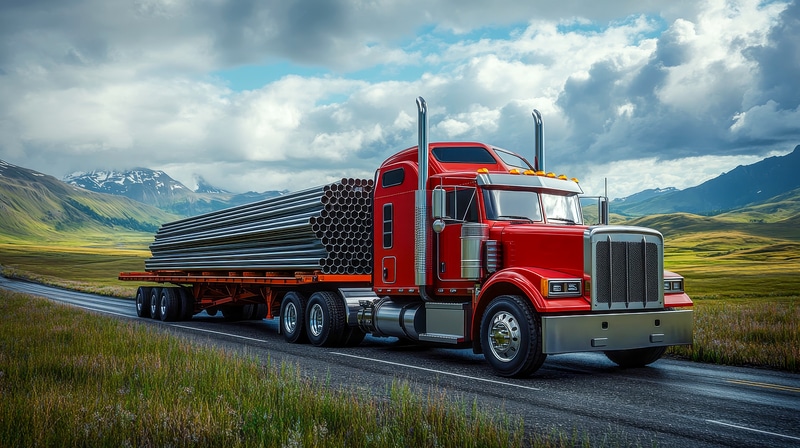
When you’re behind the wheel of a commercial truck, every mile comes with risk. A tire blowout on the turnpike, a cargo mishap in the middle of delivery, or a sudden storm that makes Florida’s highways slick can turn an ordinary route into a financial headache.
For trucking businesses, the difference between staying afloat and going under often comes down to how well they’re protected when these moments hit. A single accident can drain your operating funds, damage your reputation, and force you off the road. And the worst part? Many owners only discover their coverage gaps when it’s too late.
If you own or manage a trucking operation, knowing what commercial truck insurance covers in Florida is your first line of defense. This guide will help you understand what goes into a strong Florida trucking policy, how coverage works in real-world scenarios, and how to protect your business from unexpected costs.
Why Commercial Truck Insurance Coverage Matters
Trucks aren’t like standard vehicles. They’re bigger, heavier, and carry a lot more responsibility. When something goes wrong, the fallout can be costly. We’re talking tens of thousands of dollars in repairs, medical bills, or legal fees.
Here’s what’s at stake when coverage isn’t airtight:
- Property damage and liability costs: One accident involving a semi-truck can cause major damage to multiple vehicles or properties, and that can lead to expensive claims.
- Cargo loss or damage: If the freight you’re hauling is damaged in transit, your business could be responsible for the entire load.
- Legal exposure: Florida is a busy state for trucking, and lawsuits after accidents are common. A solid policy helps keep your assets safe when claims pile up.
- Downtime and lost revenue: A single truck out of commission can affect deliveries, schedules, and your bottom line.
This is why your insurance policy isn’t just paperwork but your safety net.
What’s Covered Under Commercial Truck Insurance in Florida
The good thing about commercial truck insurance is that it can be customized to match the unique needs of your operation. Most Florida trucking policies include several key types of coverage that work together to protect your business from multiple angles:
1. Liability Coverage
Liability is the foundation of every commercial truck insurance Florida policy. If your truck causes an accident, liability coverage pays for the other party’s property damage, medical expenses, and legal fees.
This typically includes:
- Bodily Injury Liability: Covers medical expenses, rehabilitation, or legal settlements if someone is injured.
- Property Damage Liability: Covers damage to vehicles, buildings, or other property caused by the accident.
Without this, even a minor collision can spiral into a financial disaster.
2. Physical Damage Coverage
Your truck is a high-value asset. If it’s damaged in an accident or by other events, repairs can be expensive. Physical damage coverage steps in to handle that burden.
This includes:
- Collision Coverage: Pays for repairs after an accident, regardless of fault.
- Comprehensive Coverage: Covers theft, vandalism, fire, or weather-related damage.
Florida’s weather can shift from sunny to stormy in minutes. One hurricane can turn a parked truck into a total loss. This is why this coverage helps keep your business moving.
3. Cargo Insurance
The freight inside your truck can be worth as much as the truck itself. Cargo insurance protects your business from financial loss if goods are stolen, damaged, or lost during transit.
Think of it as a safety cushion between your client’s cargo and the unpredictable road ahead.
4. Uninsured and Underinsured Motorist Coverage
Not every driver on the road has proper insurance. If your truck is hit by someone without enough coverage, this part of your policy pays for your injuries and property damage.
Florida has a high number of uninsured drivers, so this is a smart layer of protection for both owner-operators and fleets.
5. Non-Trucking Liability
If your drivers use the truck for personal reasons outside of dispatch, non-trucking liability fills that gap. It ensures your vehicle is still protected even when it’s not on the job.
6. Medical Payments Coverage
Accidents involving trucks often lead to serious injuries. Medical payments coverage helps pay for treatment for you, your drivers, or passengers, regardless of who caused the accident. Quick coverage means fewer delays in getting the medical help needed.
7. Workers’ Compensation
For businesses with employees, workers’ compensation isn’t optional. If a driver gets injured while on the job, this coverage helps pay for their medical care and lost wages. It also protects your business from costly lawsuits.
Optional Add-Ons That Strengthen Your Florida Trucking Policy
Every operation is different. Some companies run long-haul routes across states. Others stick to short local deliveries. The right add-ons can give your business the extra layer of protection it needs.
- Trailer interchange coverage for leased trailers.
- Downtime coverage to help with lost income while a truck is repaired.
- Rental reimbursement to keep deliveries moving if your truck is out of service.
- Hazmat coverage for specialized cargo.
A well-built truck insurance coverage plan protects more than the truck itself. It protects the business that depends on it.
What Affects Commercial Truck Insurance Costs in Florida
You might be wondering how pricing works. Commercial truck insurance Florida premiums vary based on several factors:
- Type of cargo: Hazardous materials or high-value loads can raise costs.
- Driving records: Safer drivers mean lower premiums.
- Vehicle type and value: Newer, heavier trucks are more expensive to insure.
- Routes and mileage: Long-haul interstate routes carry more risk than local ones.
- Coverage limits and deductibles: Higher coverage means higher premiums, but it also means stronger protection.
Knowing these factors helps you build a realistic budget before signing on the dotted line.
How a Strong Policy Protects Your Bottom Line
Skipping coverage or choosing the cheapest policy might seem smart at first. But in the trucking world, that’s like driving without brakes. A well-structured policy can:
- Keep your business running even after an accident.
- Protect your drivers, clients, and assets.
- Prevent out-of-pocket expenses that could sink your company.
- Give you peace of mind so you can focus on delivering, not worrying.
Make Sure Your Florida Trucking Policy Works for You
Running a trucking business in Florida means facing more than your fair share of curveballs. Hurricanes can roll in without warning. Traffic can turn a short route into a full-day delay. One accident can put your entire operation on the line. That’s why your insurance shouldn’t be a generic policy pulled off a shelf; it should be built around the way you actually run your business.
At Alliance Insurance, we’ve spent years helping owner-operators, small fleets, and large carriers create commercial truck insurance plans designed for real Florida roads. We look at your routes, the cargo you move, the risks you face daily, and build coverage that’s practical, protective, and cost-effective.
If you want to keep your wheels turning no matter what happens out there, let’s make sure your policy is ready for it. Call Alliance Insurance today to get customized commercial truck insurance in Florida that safeguards your business mile after mile.
FAQs About Commercial Truck Insurance in Florida
What is included in commercial truck insurance coverage?
A strong trucking policy in Florida isn’t a single layer of protection. It’s more like a well-packed toolbox. Most policies include liability, physical damage, cargo coverage, medical payments, and uninsured motorist protection. Many businesses also add workers’ compensation and trailer interchange to cover those “what if” situations. When combined, these coverages keep your trucks, drivers, and reputation protected from costly surprises.
How much does commercial truck insurance cost in Florida?
There’s no one-size-fits-all number. Premiums depend on several moving parts like your route length, type of cargo, driving history, and coverage limits. A long-haul rig that crosses state lines faces more risk than a local delivery truck making short trips. The best way to get an accurate figure is through a customized quote built around how your business actually runs.
Does truck insurance cover cargo damage?
Yes, and it can be a real lifesaver. Cargo insurance steps in when goods are damaged, lost, or stolen while in transit. It protects both your wallet and your reputation. After all, no client wants to hear “sorry about the load” without a clear plan to make it right.
Can owner-operators get the same coverage as large fleets?
Absolutely. You don’t need to run a massive fleet to get solid protection. Policies can be tailored to match your operation, whether that’s one truck or fifty. Think of it as building your own coverage mix: you decide the limits, the add-ons, and the level of protection that makes sense for your business.
What happens if my truck is hit by an uninsured driver?
This is where uninsured and underinsured motorist coverage saves the day. If another driver causes an accident but can’t pay for the damage, your policy covers the repairs and medical costs. It’s like a safety net for situations that are completely out of your control.
Do I need non-trucking liability if I’m the only driver?
Yes, especially if you use your truck outside of work. Non-trucking liability fills the coverage gap when your vehicle isn’t under dispatch. Even a quick grocery run or personal errand can lead to a costly accident without it.
Does Florida law require commercial truck insurance?
Yes. Florida requires minimum liability coverage, but most carriers need more than the minimum to meet state and federal regulations. Skipping out on the proper coverage can lead to fines, penalties, or even having your operation shut down. Compliance isn’t optional; it’s your ticket to stay on the road legally.
Can I lower my truck insurance premium?
You can, but not through shortcuts. Keeping a clean driving record, choosing a smart deductible, and working with a specialized insurance agency like Alliance Insurance can help bring premiums down. Think of it as trimming the fat, not cutting the muscle.
Is workers’ compensation required for trucking companies?
Yes, if you have employees. Workers’ compensation covers medical bills and lost wages if a driver is injured on the job. It also protects your business from expensive legal claims. It’s one of those coverages you hope never to use but will be grateful for if you ever need it.
How do I get a commercial truck insurance quote in Florida?
You can request a personalized quote from Alliance Insurance. Our team helps build coverage that fits your business, budget, and compliance needs.