
What Is Physical Damage Truck Insurance and Why Do You Need It?
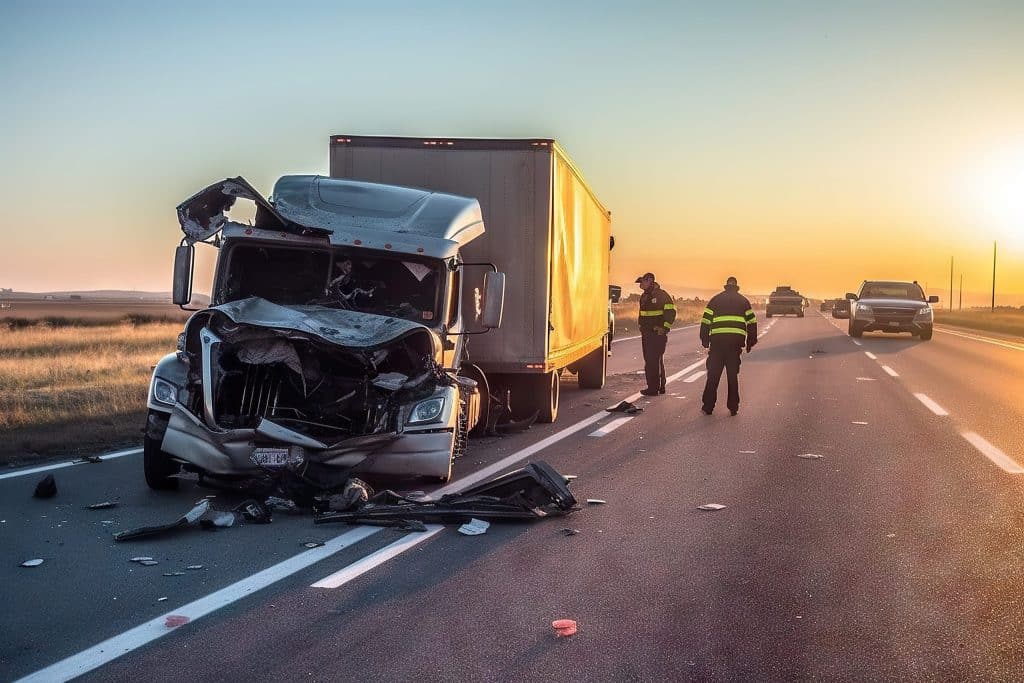
Physical damage truck insurance is a crucial policy for truck owners and operators. It helps cover repair or replacement costs after accidents, theft, vandalism, or natural disasters. This type of insurance is essential for protecting your investment and ensuring that your trucking business continues running smoothly. Without proper coverage, you could face enormous financial losses in the event of an accident. Whether you own a single truck or manage a fleet, physical damage truck insurance provides peace of mind and financial stability. Understanding Physical Damage Insurance for Semi Truck Physical damage insurance for semi truck consists of two primary coverages: Collision Coverage: Covers damages resulting from crashes with other vehicles, objects, or rollovers. Comprehensive Coverage: Protects against non-collision events such as theft, vandalism, fire, and natural disasters. Together, these coverages ensure that your truck is protected in a variety of situations. If your truck is leased or financed, your lender may require this insurance. Who Needs Physical Damage Insurance for Semi Truck? Owner-operators: If you own your truck, you need insurance to protect your asset. Leased truck drivers: Many leasing agreements require you to have physical damage coverage. Fleet owners: Protecting multiple vehicles is essential to maintaining operations and avoiding financial losses. Importance of Commercial Truck Physical Damage Insurance Commercial truck physical damage insurance is designed to safeguard your business investment. Without it, you may be responsible for covering costly repairs or purchasing a new truck if yours is severely damaged or stolen. Truck repairs can be expensive, especially for semi trucks. A minor accident could result in thousands of dollars in repairs, while a total loss could cost hundreds of thousands. Having proper coverage helps ensure that you don’t have to pay these costs out of pocket. Additionally, insurance helps keep your business running. If your truck is out of commission, you may lose income. Some policies offer rental reimbursement, which can help you continue working while your truck is being repaired. Semi Truck Physical Damage Insurance Cost Factors The semi truck physical damage insurance cost depends on several factors, including: Truck value: The higher the value of your truck, the higher your premium. Deductible amount: A higher deductible can lower your premium, but it means you’ll pay more out of pocket in the event of a claim. Coverage limits: Higher limits provide more protection but come at a higher cost. Driver’s record: A clean driving history can reduce your insurance rates. Location: Trucks operating in high-risk areas may have higher premiums. Usage: The number of miles driven and type of cargo transported can affect rates. Understanding these factors helps you choose the right coverage and manage costs effectively. Physical Damage Insurance Trucking Operations Physical damage insurance trucking is vital for asset protection. Trucking companies and independent drivers rely on their vehicles for income. If a truck is damaged or lost, it can have a significant financial impact. This insurance covers repair and replacement costs, helping truckers get back on the road quickly. It also prevents unexpected expenses from disrupting business operations. Evaluating Physical Damage Insurance for Semi Truck Cost To determine the physical damage insurance for semi truck cost, consider: Type of coverage: Comprehensive and collision coverages have different pricing structures. Policy add-ons: Additional coverages, such as downtime or rental reimbursement, impact the total cost. Insurance provider: Rates vary between insurers, so it’s important to compare quotes. By evaluating these factors, truckers can find cost-effective insurance solutions that fit their needs. The Role of Physical Insurance Truck Coverage Physical insurance truck coverage plays a critical role in protecting trucking businesses. It covers damages resulting from accidents, theft, and natural disasters, ensuring financial security for truck owners. Without this insurance, truckers would have to cover repair or replacement costs themselves. Given the high cost of semi trucks and repairs, this could lead to severe financial difficulties. Having the right physical damage insurance policy in place provides peace of mind and stability, allowing truckers to focus on their business operations. How to Choose the Best Physical Damage Truck Insurance When selecting a physical damage truck insurance policy, consider the following: Assess Your Needs: Determine the level of coverage required based on your truck’s value, usage, and risks. Compare Quotes: Get quotes from multiple insurance providers to find the best rates. Check Policy Exclusions: Ensure you understand what’s covered and what’s not. Evaluate Deductibles: Choose a deductible that balances affordability and financial protection. Consider Additional Coverages: Look for add-ons that provide extra protection, such as rental reimbursement or downtime coverage. By carefully evaluating your options, you can find an insurance policy that offers the best protection at an affordable cost. Conclusion Physical damage truck insurance is a vital investment for truckers and fleet owners. It covers liability for repair or replacement costs from various incidents, ensuring financial stability and business continuity. Understanding the different coverage options and cost factors helps truckers make informed decisions. Whether you need commercial truck physical damage insurance, physical damage insurance, or a combination of both, securing the right policy provides peace of mind. By choosing the right insurance plan, you can protect your truck, livelihood, and future in the trucking industry.
What Does Commercial Trucking Insurance in Ohio Cover?
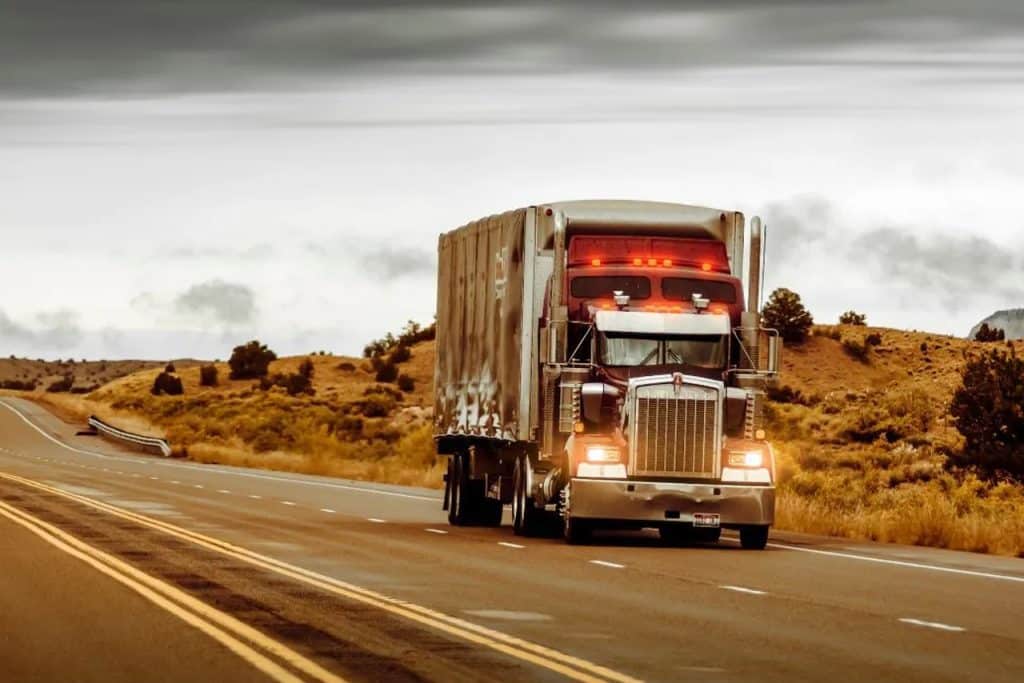
If you’re operating a commercial truck in Ohio, insurance isn’t just a legal requirement—it’s essential protection for your business, your vehicle, and your livelihood. One unexpected accident, a cargo issue, or even a liability claim can put your entire operation at risk. That’s why understanding commercial trucking insurance is crucial. But what exactly does it cover? And how do you ensure you’re getting the right protection for your specific needs? In this guide, we’ll break down the key coverages included in commercial trucking insurance in Ohio and why each one matters for your business. 1. Primary Liability Insurance: Protecting Others on the Road Liability insurance is required by law for all commercial truck operators. This coverage pays for bodily injury and property damage if you’re at fault in an accident. In Ohio, state and federal regulations mandate minimum coverage limits, but many truckers opt for higher limits to ensure adequate protection. What it covers: Medical expenses for injured parties Repairs or replacement for damaged vehicles or property Legal defense costs if you’re sued Without liability insurance, you could be personally responsible for tens or even hundreds of thousands of dollars in damages if an accident occurs. 2. Physical Damage Coverage: Protecting Your Truck and Trailer Unlike liability insurance, which covers damage to other people’s property, physical damage coverage protects your own truck and trailer. This coverage is particularly important if you’re financing or leasing your rig. Types of physical damage coverage: Collision Coverage – Pays for repairs or replacement of your truck if you collide with another vehicle or object. Comprehensive Coverage – Covers damage from non-collision incidents such as fire, theft, vandalism, or extreme weather. If your truck is your business, physical damage insurance ensures you’re not left footing the bill after an accident or unexpected event. 3. Cargo Insurance: Protecting the Goods You Haul If you’re transporting cargo, you’re responsible for its safety. Cargo insurance covers the value of the goods you’re hauling in case of loss or damage. What it covers: Theft or hijacking of cargo Damage due to an accident Loss caused by fire, water damage, or other covered risks Different policies may have exclusions for specific types of cargo (such as hazardous materials), so it’s essential to ensure your policy matches what you haul. 4. General Liability Insurance: Covering Non-Trucking Incidents Even when your truck is parked, accidents can happen. General liability insurance covers incidents that occur off the road, such as: Injuries at your business location Damage to property during loading or unloading Advertising-related liabilities If you interact with clients, vendors, or the public in any capacity, general liability insurance helps protect your business from unexpected lawsuits and financial losses. 5. Uninsured/Underinsured Motorist Coverage: Protection from Other Drivers Not everyone on the road carries proper insurance. If you’re hit by an uninsured or underinsured driver, this coverage helps pay for your medical expenses and vehicle repairs. What it covers: Medical costs for you and your passengers Repair costs if another driver is at fault but lacks adequate insurance Hit-and-run incidents This coverage ensures you’re not left paying out of pocket for someone else’s mistake. 6. Rental Reimbursement and Downtime Coverage: Staying on the Road When your truck is out of commission, you’re not making money. Rental reimbursement and downtime coverage help keep your business running by covering: The cost of renting a temporary replacement truck Lost income due to time off the road For owner-operators who depend on daily hauls to stay profitable, this coverage can be a financial lifesaver. 7. Workers’ Compensation: Protecting You and Your Employees If you own a trucking business with employees, workers’ compensation insurance is a must. It provides benefits if you or your workers are injured on the job, covering: Medical expenses Lost wages during recovery Disability benefits if injuries are severe Many states, including Ohio, require workers’ compensation for companies with employees, ensuring that workplace injuries don’t lead to financial hardship. Get the Right Protection for Your Trucking Business Trucking isn’t just a job—it’s a business that depends on staying on the road. One accident, cargo loss, or equipment failure can disrupt everything. That’s why having the right trucking insurance isn’t just a box to check—it’s the key to keeping your truck, your cargo, and your livelihood protected. At Alliance Trucking Insurance, we get it. We know every trucker has different risks, different hauls, and different coverage needs. That’s why we don’t do one-size-fits-all policies. We work with owner-operators and fleet managers to create custom insurance plans that offer the protection you actually need—at rates that won’t break your budget. 🚛 Affordable commercial trucking insurance starting at just $1300/month 💰 Flexible financing—only 10% down to get started You never know what the road will throw your way, but with the right coverage, you’ll always be ready. Call Alliance Trucking Insurance today and get the protection your trucking business deserves!
How Tour Bus Insurance Differs from Other Commercial Bus Insurance

Tour bus insurance is a specialized form of commercial vehicle coverage. It provides protection for buses used in the tourism industry. Unlike other commercial bus insurance, it covers unique risks faced by tour operators. What is Tour Bus Insurance? Tour bus insurance is designed for buses that transport passengers on sightseeing trips. It includes coverage for liability, physical damage, and passenger injuries. This insurance is essential for companies offering guided tours. Without proper coverage, tour operators could face significant financial risks. Tour buses often provide luxury features such as reclining seats, entertainment systems, and restroom facilities. These additions require additional coverage compared to standard buses. Tour bus insurance ensures that the business remains protected from unexpected incidents. How Tour Bus Insurance Differs from Standard Commercial Bus Insurance 1. Coverage for Entertainment and Sightseeing Activities Unlike standard commercial bus insurance, tour bus insurance covers risks related to tourism. Tour buses often travel long distances, making multiple stops. This increases the chance of accidents or passenger injuries. Tour buses are also used for specific types of trips, including sightseeing, wine tours, or guided city excursions. These activities may introduce additional liabilities that a general commercial bus policy might not cover. 2. Higher Liability Coverage Requirements Tour buses transport large groups of people. This raises the potential for liability claims. Because of this, insurance policies for tour buses often have higher liability limits. Higher liability limits help protect tour operators from financial losses resulting from lawsuits or medical expenses. Since accidents involving large numbers of passengers can lead to significant claims, insurers require higher coverage levels. 3. Passenger Injury and Medical Payments Coverage Standard commercial bus insurance covers passengers, but tour bus insurance provides additional protection. It includes medical payments and accidental injury coverage for passengers during the tour. Many tour bus policies also include coverage for emergency medical evacuation. If a passenger becomes ill or injured during a tour, this coverage helps cover transportation to a medical facility. 4. Coverage for Special Equipment and Features Many tour buses have specialized equipment. Features like panoramic windows, sound systems, and luxury seating require additional coverage. Standard commercial bus insurance may not cover these upgrades. Entertainment systems, GPS navigation, and custom interiors increase the overall value of the bus. Tour bus insurance policies can be tailored to include these additional assets, ensuring they are covered in case of damage or theft. 5. Expanded Geographic Coverage Tour buses often travel across state lines or even internationally. Tour bus insurance policies offer broader geographic coverage compared to regular commercial bus insurance. Some policies include coverage for cross-border travel, ensuring that buses operating in Canada, Mexico, or other countries maintain protection. This is particularly important for international tour operators. Key Components of Tour Bus Insurance Liability Insurance This covers bodily injury and property damage if the tour bus is responsible for an accident. It is required by law in most states. Liability insurance includes coverage for legal fees in case of lawsuits. This ensures that operators are financially protected in case of claims from injured passengers or third parties. Physical Damage Coverage This protects against damages from collisions, vandalism, or natural disasters. Since tour buses operate frequently, this coverage is essential. Operators should ensure that physical damage coverage accounts for full replacement value, especially for newer or high-end tour buses. Passenger Medical Payments Coverage Medical payments coverage helps pay for injuries to passengers. Since tour operators are responsible for passenger safety, this coverage is critical. This component can include coverage for ambulance services, hospital stays, and rehabilitation costs, ensuring passengers receive necessary care without financial burden. Uninsured/Underinsured Motorist Coverage This protects tour bus operators if they are involved in an accident with an uninsured or underinsured driver. It ensures compensation for damages and medical costs. In cases where an at-fault driver lacks adequate insurance, this coverage ensures the tour company does not bear the full financial responsibility. Coverage for Specialized Equipment Tour buses often have expensive entertainment systems and luxury seating. This coverage helps repair or replace these features if they are damaged. Specialized equipment coverage may also include safety enhancements such as onboard cameras, emergency exits, and reinforced structural designs. Factors Affecting Tour Bus Insurance Costs 1. Number of Passengers A bus that carries more passengers will have higher insurance premiums. More passengers mean a higher risk of liability claims. Tour operators must ensure that their policy accounts for the maximum passenger capacity to avoid coverage gaps. 2. Distance Traveled Long-distance tours increase risks like driver fatigue and vehicle wear. Insurers consider this when determining premiums. Policies may include mileage-based premiums, where longer routes result in higher costs. Operators should assess their travel patterns when selecting coverage. 3. Driving Records of Operators Insurance companies assess the driving history of bus operators. A clean record can lower premiums, while past violations may increase costs. Operators should invest in driver training programs and background checks to maintain a safe driving record and reduce insurance expenses. 4. Type and Age of the Bus Newer buses with advanced safety features may qualify for lower premiums. Older buses may require higher coverage due to increased maintenance risks. Features such as collision avoidance systems and anti-lock brakes may lead to discounts from insurance providers. 5. Claims History A tour company with frequent claims may face higher insurance costs. Insurance providers look at past claims to determine risk levels. Implementing strict safety policies and regular vehicle maintenance can help reduce claims and maintain affordable premiums. How to Choose the Right Tour Bus Insurance 1. Compare Different Providers Not all insurance providers offer the same coverage. Compare quotes and read reviews before making a decision. 2. Understand Policy Exclusions Some policies may exclude certain events or locations. Read the terms carefully to avoid coverage gaps. 3. Work with an Insurance Broker An experienced insurance broker can help find the best policy. They understand the risks associated with tour bus operations. 4. Look for Discounts Some insurers offer discounts for safety measures like GPS tracking
How Safe Driving Can Help New Drivers Lower Their Insurance Rates
Safe driving is important for everyone. It is especially crucial for new drivers looking to reduce insurance costs. Car insurance for new drivers can be expensive, but safe driving habits can help lower rates. Why Insurance for New Drivers is Expensive Insurance companies see new drivers as high-risk. They lack experience and are more likely to be in accidents. Because of this, insurance for new drivers comes with high premiums. However, safe driving can help prove responsibility and lower these costs over time. There are several reasons why new drivers pay higher insurance rates: Lack of experience: New drivers have not had enough time on the road to develop safe driving habits. Higher accident rates: Statistics show that new drivers, especially teenagers, are more likely to be involved in accidents. Increased risk-taking behavior: Some new drivers tend to speed, use mobile devices, or drive recklessly, leading to more accidents. Unproven driving record: Without a history of responsible driving, insurance companies assume new drivers pose a higher risk. Because of these factors, insurers charge higher premiums to cover potential risks. However, there are ways to reduce costs through safe driving and responsible behavior. How Safe Driving Lowers Insurance Costs 1. Avoiding Accidents and Tickets Accidents and traffic violations increase insurance rates. Safe driving prevents these incidents, leading to lower premiums. If you maintain a clean driving record, insurers will reward you with better rates. Even a single ticket can lead to an increase in your premium. Defensive driving techniques, such as keeping a safe distance from other vehicles and obeying speed limits, can help new drivers avoid accidents. Additionally, staying aware of surroundings and anticipating the actions of other drivers can prevent dangerous situations. 2. Qualifying for Discounts Many insurance providers offer discounts for safe driving. Some companies use telematics devices to track driving habits. If you drive responsibly, you can earn a lower premium through these programs. These discounts may include: Good driver discounts: Available for drivers who maintain a clean record without accidents or violations. Telematics programs: Usage-based insurance programs track driving behavior and reward safe drivers. Defensive driving course discounts: Completing a certified defensive driving course can result in lower premiums. Low mileage discounts: If you drive fewer miles, some insurers will reduce your rates. 3. Building a Strong Driving History A good driving history helps lower insurance costs. The longer you drive without accidents or tickets, the better your insurance rates. Over time, insurers will consider you a lower-risk driver. After three to five years of safe driving, many insurance companies will significantly reduce your premium. 4. Choosing the Right Vehicle The type of car you drive affects your insurance rates. Safe vehicles with high safety ratings cost less to insure. Consider cars with advanced safety features to lower your premiums. Cars with features like anti-lock brakes, airbags, and automatic emergency braking can reduce the likelihood of accidents, making them less costly to insure. Tips for New Drivers to Maintain Safe Driving Habits 1. Follow Traffic Laws Always obey speed limits and traffic signals. Ignoring traffic laws increases the risk of accidents and higher insurance costs. Many accidents occur due to speeding, running red lights, or failing to yield the right of way. By strictly following traffic laws, you can avoid unnecessary risks and keep your insurance rates low. 2. Avoid Distracted Driving Texting, eating, or adjusting the radio while driving is dangerous. Stay focused on the road to avoid accidents and maintain low insurance rates. According to the National Highway Traffic Safety Administration (NHTSA), distracted driving is a leading cause of accidents. To minimize distractions: Use hands-free devices if you need to take a call. Set up GPS navigation before driving. Keep your phone out of reach while driving. 3. Take a Defensive Driving Course Defensive driving courses teach skills that help prevent accidents. Many insurance companies offer discounts for completing these courses. Defensive driving teaches: How to anticipate dangerous situations. Techniques for safely handling emergencies. Strategies for dealing with aggressive drivers. 4. Drive in Safe Conditions Avoid driving in dangerous weather if possible. Rain, snow, and fog increase accident risks. Safe conditions help keep your driving record clean. If you must drive in poor weather, reduce speed, increase following distance, and use appropriate lights. 5. Limit Nighttime and High-Traffic Driving Driving at night or in heavy traffic increases accident risks. Limiting these situations can help reduce the chances of crashes and insurance claims. According to studies, nighttime driving is more dangerous due to reduced visibility and increased drowsiness. New drivers should practice driving during the day before attempting nighttime driving. 6. Use Technology Wisely Many modern vehicles have safety technology like blind-spot monitoring and lane departure warnings. Using these features can help avoid accidents and keep insurance costs low. While technology can aid safe driving, it should not replace attentiveness and responsibility behind the wheel. The Impact of Telematics on Insurance Rates Telematics programs track driving habits using a device or app. They monitor speed, braking, and other factors. Safe drivers can earn discounts through these programs. Insurance companies reward responsible driving behavior with lower premiums. Some programs also provide feedback to help drivers improve their habits. Popular telematics programs include: Progressive Snapshot State Farm Drive Safe & Save Allstate Drivewise These programs encourage safe driving by offering financial incentives. New drivers should consider enrolling in such programs to lower their insurance costs. Comparing Insurance Providers Not all insurance companies offer the same rates or discounts. Comparing different providers can help find the best deal. Some companies specialize in insurance for new drivers and offer better rates for safe drivers. Researching options can lead to significant savings. When comparing providers, consider: Available discounts Coverage options Customer reviews Policy flexibility The Role of Parental Involvement For teen drivers, parental guidance is crucial. Parents can help set rules for safe driving and monitor habits. Some insurers offer discounts for young drivers on a parent’s policy. This can be a cost-effective option. Parents can encourage safe driving
How to Pick an Insurance Company with a Fast and Easy Claims Process

Imagine this: You’re miles away from your office, hauling a time-sensitive load when disaster strikes. Maybe it’s a collision, unexpected cargo damage, or a breakdown that leaves your truck sidelined. You do everything right—call your insurance company, submit the details, and then… silence. Days turn into weeks. The claims process drags on, keeping your truck off the road and your income at a standstill. For truckers, time is money. Every hour spent waiting on an insurance claim is an hour lost in earnings. You can’t afford a provider that moves at a snail’s pace when you need them to act fast. So, how do you make sure the insurance company you choose won’t leave you hanging when you need them most? Let’s break it down. 1. Research the Driving Insurance Company’s Reputation for Claims Processing Not all driving insurance companies handle claims the same way. Some have a reputation for making the process smooth and efficient, while others are known for dragging their feet. Before committing to a policy, dig into customer reviews, testimonials, and industry reputation. Look for truckers who’ve had real experiences filing claims—not just general policyholders. If multiple drivers report long delays, denied claims, or lack of communication, that’s a red flag. On the other hand, if truckers praise a company for quick and fair settlements, you know you’re on the right track. 2. Look for 24/7 Claims Support Trucking isn’t a typical 9-to-5 job, and accidents or incidents can happen at any hour. Good driving insurance companies should offer round-the-clock claims support so you’re never left stranded. Here are some questions to ask potential insurers: Do they have a dedicated claims hotline that’s available 24/7? How quickly do they typically respond to claims? Do they offer digital claims processing, allowing you to submit claims online or via an app? Driving insurance companies that offer 24/7 support and fast response times is a must-have in the trucking industry. 3. Understand the Claims Process The best insurance providers offer a straightforward claims process—one that doesn’t leave you guessing. Before you commit to a policy, ask about: Required documentation: What do they need to process a claim quickly? (Photos, police reports, repair estimates, etc.) Processing time: How long does it take to get a claim approved? Payout timeline: Once approved, how soon will funds be released? Adjuster availability: Will you have a dedicated claims adjuster, or will you have to deal with a different person every time you call? If an insurer can’t give you clear answers to these questions, it might be a sign their process isn’t as smooth as it should be. 4. Check for Fast Payouts A claim that takes weeks (or even months) to pay out isn’t helpful. Ask about average claim settlement times before choosing a provider. Some insurers pride themselves on rapid claims resolution, while others may have a reputation for delays. If possible, find out: How quickly they approve claims Their track record for paying claims without unnecessary disputes Whether they offer direct repair networks or preferred shops to speed up repairs A fast payout means less downtime and more time on the road, keeping your business running. 5. Consider Their Industry Expertise Trucking insurance is different from standard auto insurance. You need an insurer that understands the industry inside and out—one that knows the unique risks truckers face, from cargo damage to liability claims. Here’s what to look for: Experience with commercial trucking claims Specialized coverage options (like cargo protection, liability, and downtime coverage) Adjusters familiar with trucking industry standards Insurance companies that focus on trucking are more likely to process claims quickly and efficiently because they understand the urgency of getting truckers back on the road. 6. Look for Digital and Automated Claims Processing Some insurance companies still rely on outdated claims systems that require endless paperwork and faxing. Look for a company that offers: Online claim submissions Mobile app support E-signatures for faster approvals Real-time claim tracking Technology-driven claims processes can significantly reduce wait times, making it easier to file and resolve claims without the back-and-forth hassle. 7. Evaluate Their Customer Service Even the best coverage won’t help if you can’t get a hold of a real person when you need them. Before choosing an insurer, test their customer service: Call their claims line and see how long it takes to reach a representative. Ask a few detailed questions and see how knowledgeable they are. Check for multi-language support, especially if your drivers speak different languages. Good customer service shouldn’t end after you buy a policy. The best insurers maintain strong communication throughout the claims process. 8. Compare Policy Costs vs. Benefits Cheaper isn’t always better. A low-cost policy with a slow or unreliable claims process can cost you more in downtime and lost income. Instead, balance affordable premiums with a strong, well-rated claims department. Some things to consider: Deductibles: Lower premiums often mean higher deductibles—know what you’ll pay out-of-pocket. Coverage limits: Does the policy actually cover what you need, or are there loopholes? Hidden fees: Some companies charge for claim processing or have penalties for frequent claims. The Bottom Line: Don’t Gamble with Your Livelihood When your business depends on your truck, choosing the right driving insurance company isn’t just about price—it’s about trust, efficiency, and getting back on the road fast. At Alliance Trucking Insurance, we understand that downtime means lost income. That’s why we provide truckers with fast, reliable, and stress-free claims handling. Our team works around the clock to ensure you get the support you need—when you need it most. 🔹 Affordable trucking insurance starting as low as $1300/month 🔹 Financing available with just 10% down 🔹 Fast, efficient claims process—no delays, no headaches Don’t let a slow claims process leave you stranded. Call Alliance Trucking Insurance at 888-481-3132 today!
How Your Driving Record Affects Truck Insurance Rates in Ohio

You’ve been on the road for years, logging miles, meeting deadlines, and handling the everyday chaos of trucking. But when it’s time to renew or shop for Ohio truck insurance, you get hit with a rate that seems way too high. What gives? Turns out, it’s not just about the truck you drive or the freight you haul. One hidden factor could be making or breaking your insurance costs—your driving record. Every ticket, violation, or accident leaves a mark, and insurance companies are keeping track. But how much does it really matter? And is there anything you can do to control your rates? Let’s break it down. 1. Why Your Driving Record Matters to Insurers Truck insurance providers assess risk before offering coverage. A clean driving history suggests you’re a responsible, low-risk driver, meaning they’re more likely to offer lower premiums. On the other hand, a history filled with violations, speeding tickets, or accidents signals higher risk—leading to higher rates or even difficulty securing coverage at all. Insurance companies evaluate factors such as: Traffic Violations – Speeding, reckless driving, and running red lights show a pattern of risky behavior. Accidents – Even minor fender benders can increase your premiums, while at-fault accidents are a red flag. DUI/DWI Convictions – These can lead to skyrocketing rates or disqualification from coverage. Logbook and Compliance Violations – HOS (Hours of Service) violations and failure to follow safety regulations can impact your rates. 2. How Different Violations Affect Your Premiums Not all driving infractions have the same impact. Some will barely cause a dent in your premiums, while others can double or triple your rates. Here’s a breakdown of how different violations affect your truck insurance in Ohio: Minor Violations (Slight Rate Increase) Speeding (less than 10 mph over the limit) Failure to signal Minor equipment violations (e.g., broken taillight, expired registration) Improper lane changes These infractions usually result in small increases in premiums, but multiple minor violations can add up over time. Moderate Violations (Moderate Rate Increase) Speeding (more than 10 mph over the limit) Failure to yield Distracted driving citations Running a stop sign or red light Logbook infractions (HOS violations) If you have multiple moderate violations, expect a significant jump in your insurance rates. Insurers may begin to view you as a higher risk. Major Violations (Severe Rate Increase or Denial of Coverage) DUI/DWI convictions Reckless driving Excessive speeding (more than 20 mph over the limit) At-fault accidents with property damage or injuries Driving with a suspended or revoked license Hit-and-run incidents A major violation can make it difficult to find an affordable truck insurance policy. Some companies might even refuse to cover you altogether. 3. How Long Do Violations Stay on Your Record? Insurance companies in Ohio typically look at your driving history for the past 3 to 5 years, depending on the severity of the violation. However, some infractions, especially DUIs, can stay on your record for much longer. Here’s how long different violations generally impact your rates: Minor violations: 3 years At-fault accidents: 3-5 years Major violations (DUI, reckless driving): 5-10 years While you can’t erase past mistakes, avoiding further infractions can gradually lower your premiums over time. 4. How to Lower Your Truck Insurance Rates If your driving history isn’t perfect, don’t worry—there are several strategies you can use to bring your insurance costs down. 1. Improve Your Driving Habits The best way to keep your rates low is by avoiding violations altogether. Follow speed limits, maintain safe distances, and always stay compliant with DOT regulations. 2. Take a Defensive Driving Course Some insurance companies offer discounts for completing a defensive driving course. These courses reinforce safe driving habits and can help offset past violations. 3. Opt for Higher Deductibles A higher deductible means a lower premium. If you can afford a higher out-of-pocket cost in case of an accident, this is a great way to reduce your monthly payments. 4. Maintain a Consistent Work History Insurance providers prefer drivers with stable employment records. If you have consistent experience with reputable trucking companies, it can help you secure better rates. 5. Work with an Experienced Truck Insurance Provider Not all insurance companies specialize in trucking. Choosing a provider that understands the industry ensures you get tailored coverage and better guidance on managing your insurance costs. 6. Shop Around for the Best Rates Different insurers assess risk differently. Some might be more forgiving of certain violations, while others penalize them heavily. Comparing quotes from multiple providers ensures you get the best deal. 7. Ask About Discounts Many insurance companies offer discounts for: Fleet safety programs Years of safe driving Bundling multiple policies Installing telematics or dash cams Your Driving Record Can Cost You—Or Save You Thousands Every mistake on the road has a cost, and for truckers, that cost extends beyond tickets and fines—it directly affects your insurance rates. But while past violations can drive up your premiums, there are ways to take control of your rates, whether that’s through safer driving, industry-specific insurance providers, or strategic policy adjustments. At Alliance Trucking Insurance, we know that no trucker is perfect, and we believe everyone deserves fair, affordable coverage. Whether you’ve got a clean record or a few violations in your history, we’re here to help you secure the best possible insurance at a rate that makes sense for your business. With us you’ll get: 🚛 Competitive trucking insurance starting at just $1300/month💰 Flexible financing—get started with just 10% down📞 Expert support to help you find the best policy for your driving history Don’t let your past mistakes dictate your future on the road. Call Alliance Trucking Insurance at 888-481-3132 today and let’s find the right coverage for you!
Common Risks Faced by Bus Operators and How Insurance Covers Them
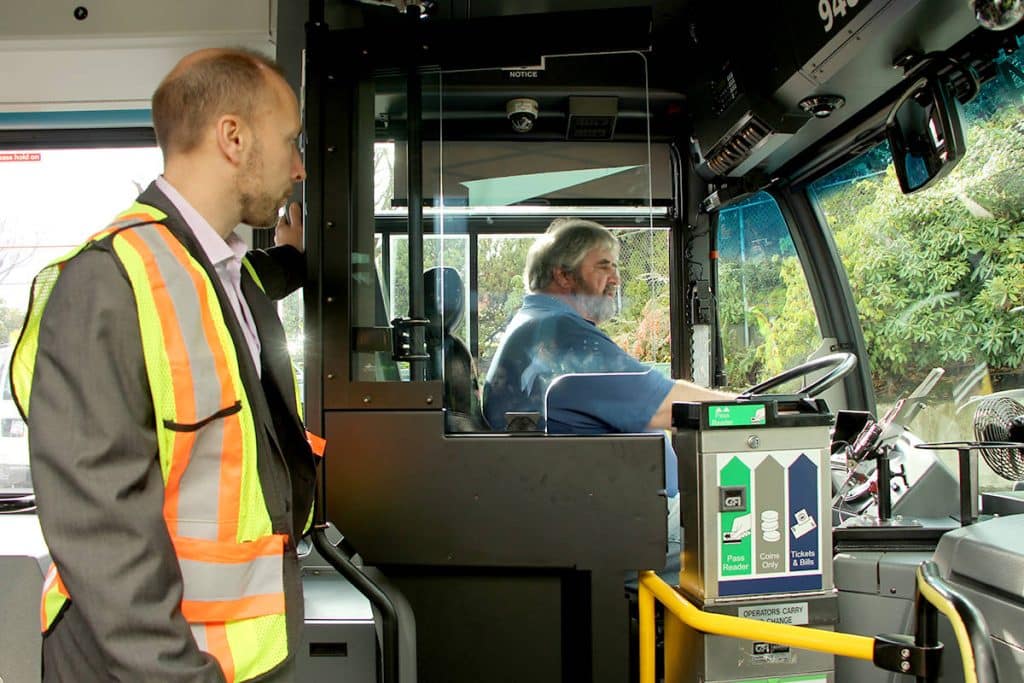
Operating a bus service comes with significant risks, ranging from accidents and property damage to liability claims and unforeseen disruptions. For bus operators, managing these risks is essential to ensure business continuity and protect passengers, employees, and assets. One of the most effective ways to mitigate these risks is through comprehensive commercial bus insurance. This article explores the common risks faced by bus operators and how the right insurance policies provide coverage and financial protection. 1. Traffic Accidents One of the primary risks bus operators face is road accidents. Buses are large vehicles that require skilled drivers, and even with experienced personnel, accidents can happen due to factors like driver error, mechanical failure, or adverse weather conditions. Accidents can result in injuries to passengers, damage to the vehicle, and legal liability. How Commercial Bus Insurance Helps: Liability Coverage: Covers medical expenses and legal costs if the bus operator is found responsible for an accident. Collision Coverage: Pays for damages to the bus, regardless of who is at fault. Medical Payments Coverage: Helps cover medical expenses for passengers and drivers injured in an accident. 2. Passenger Injuries Bus operators are responsible for the safety of their passengers. Slips, falls, or sudden stops can lead to injuries, prompting lawsuits and compensation claims. How Commercial Bus Insurance Helps: General Liability Insurance: Covers claims related to bodily injuries sustained by passengers while on the bus or at designated stops. Medical Payments Coverage: Covers immediate medical expenses of injured passengers, reducing out-of-pocket costs for the operator. 3. Theft and Vandalism Buses are vulnerable to theft and vandalism, especially when parked in public spaces overnight. Theft of vehicle parts, graffiti, or deliberate damage can lead to costly repairs and operational delays. How Commercial Bus Insurance Helps: Comprehensive Coverage: Covers non-collision damages, including theft, vandalism, and natural disasters. Property Damage Liability: If the stolen bus or its parts cause damage to other properties, this coverage helps mitigate costs. 4. Mechanical Breakdowns Unexpected mechanical failures can lead to service disruptions, stranded passengers, and revenue losses. Regular maintenance helps, but sudden breakdowns can still occur. How Commercial Bus Insurance Helps: Mechanical Breakdown Insurance: Covers repair costs in case of unexpected failures. Business Interruption Insurance: Provides compensation for lost revenue due to service disruptions caused by covered incidents. 5. Natural Disasters and Extreme Weather Conditions Floods, hurricanes, earthquakes, and storms can severely impact bus operations, causing vehicle damage and halting services. How Commercial Bus Insurance Helps: Comprehensive Coverage: Provides financial protection against damages caused by natural disasters. Loss of Income Coverage: Helps operators recover lost earnings due to prolonged service disruptions. 6. Legal and Compliance Issues Regulations governing public transportation are strict, and non-compliance can lead to hefty fines or lawsuits. Operating without the necessary permits, failing inspections, or violating safety regulations can pose serious risks. How Commercial Bus Insurance Helps: Legal Liability Insurance: Covers costs related to legal disputes, including fines, settlements, and attorney fees. Regulatory Compliance Assistance: Some insurers offer guidance and support to help operators comply with industry regulations. 7. Third-Party Liability Claims A bus operator can be held liable for damages caused to pedestrians, other vehicles, or property. Even minor incidents can lead to expensive claims. How Commercial Bus Insurance Helps: Bodily Injury Liability: Covers medical expenses and compensation for affected third parties. Property Damage Liability: Pays for repairs or replacements of damaged property belonging to others. Conclusion Bus operators face numerous risks daily, from road accidents to liability claims and financial losses due to unforeseen events. Investing in comprehensive commercial bus insurance is essential to protect assets, employees, and passengers while ensuring the business remains operational. By understanding the various coverages available, bus operators can choose policies that best fit their needs, providing peace of mind and financial security in an unpredictable industry.