
Common Dump Truck Insurance Claims in Florida and How to Avoid Them

Those hazards turn into costly insurance claims, which then turn into higher premiums. The good news: most of these claims are preventable when you understand what causes them and how to avoid them. Running a dump truck operation in Florida is profitable, but it comes with risks that can drain your time, money, and schedule. Between tight job timelines, crowded construction zones, unpredictable drivers on the road, and constant loading and dumping, dump trucks face more hazards than most commercial vehicles. This guide breaks down the most common dump truck insurance claims in Florida and what you can do to keep your record clean, protect your business, and lower your premiums over time. 1. Collision & Roadway Accidents (Dump Truck Insurance Florida covers collision claims more than any other category) Dump trucks are heavy, take longer to stop, and have large blind spots. Florida’s fast traffic flow, narrow construction routes, and sudden weather changes increase collision risks every day. Most collision claims happen because of: How to avoid these claims: Reducing collision claims keeps your Dump Truck Insurance Florida premium from rising every year. 2. Property Damage at Job Sites (One of the biggest accident claims) Dump trucks often operate in tight spaces surrounded by workers, equipment, and unfinished structures. A small mistake can cause expensive damage. Common job site property damage includes: How to avoid these claims: Small improvements in communication prevent thousands of dollars in claims. 3. Cargo Spills & Load-Shift Accidents (A major concern for dump truck safety) Cargo spills often happen when loads are not secured, uneven, or dumped in unsafe areas. In Florida, these spills can lead to road closures, environmental cleanup bills, and major insurance claims. Cargo spills commonly happen because of: How to avoid these claims: Insurance companies closely track cargo spill history, and avoiding these claims leads to lower costs under Dump Truck Insurance Florida. 4. Mechanical Failures Leading to Claims (Often linked to poor maintenance) Mechanical issues can turn into claims when they cause accidents, roadside breakdowns, or equipment damage. The most common causes include: Why mechanical failures happen: How to avoid these claims: Well-documented maintenance also strengthens your position during an insurance claim dispute. 5. Worker Injuries & Third-Party Claims (Dump trucks operate near people, which increases liability) Injuries at job sites often become large claims, especially when workers or bystanders are involved. Injury risks include: How to avoid these claims: Reducing injury claims protects your Dump Truck Insurance Florida premium more than almost anything else. 6. Environmental & Debris-Related Claims (Florida has strict environmental regulations) Dump trucks frequently haul dirt, gravel, sand, and debris. When any of this spills onto roads or job sites, the cleanup fees can be high. Environmental claims often involve: How to avoid these claims: Environmental claims are some of the most expensive, and insurers raise premiums sharply when they happen. 7. Theft & Vandalism Claims (Especially common with parked trucks or overnight job sites) Dump trucks left at remote job locations are targets for fuel theft, battery theft, and vandalism. Most theft-related claims involve: How to avoid these claims: Avoiding theft claims keeps your loss record clean for Dump Truck Insurance Florida renewals. How Preventing Claims Helps You Save on Dump Truck Insurance Florida Insurance companies reward low-risk operators. Fewer claims mean: Reducing claims is the fastest way to control your operating costs. Partner With Experts Who Understand Dump Truck Insurance Florida Dump truck work in Florida is demanding, and you need coverage that understands the real risks on highway routes, construction zones, and job sites. Choosing the right insurance partner is what protects your business long-term. Alliance Insurance specializes in Dump Truck Insurance Florida, giving dump truck operators protection that matches real-world risks. We help you: If you want coverage that actually protects your business and does not drain your profits, you need a team that knows the dump truck industry from the ground up. Contact Alliance Insurance today for a custom dump truck insurance quote. Start protecting your operation with coverage designed for Florida hauling. Frequently Asked Questions About Dump Truck Insurance Florida Claims 1. What is the most common type of dump truck insurance claim in Florida? The most common claims involve collisions and roadway accidents because dump trucks operate in high-traffic areas, tight construction zones, and unpredictable weather. Heavy loads make stopping distances longer, and blind spots increase the chance of side impacts. By improving driver training and maintaining braking systems, you significantly reduce the likelihood of these accident claims and keep your Dump Truck Insurance Florida premiums stable. 2. Why do dump trucks in Florida have a higher risk of cargo spill claims? Cargo spills occur when loads shift, stick to the bed, or spill during lifting. Florida’s humidity and sudden rainfall often make material heavier and more difficult to unload smoothly. When this happens, the hydraulic lift must work harder and is more prone to malfunction. Regular load checks, proper weight distribution, and consistent hydraulic maintenance are essential to prevent expensive accident claims linked to cargo spills. 3. How do mechanical issues lead to dump truck insurance claims? Mechanical failures such as brake issues, tire blowouts, and hydraulic problems often cause accidents or breakdowns that turn into insurance claims. Florida’s heat accelerates tire wear and weakens hydraulic seals, which increases the risk of malfunction. Establishing a strict maintenance routine is one of the best insurance claim tips because it reduces failures, keeps drivers safe, and prevents avoidable repair costs. 4. Are environmental or debris-related claims common for dump trucks? Yes, Florida has strict environmental rules, and debris spills can lead to penalties, cleanup charges, and insurance claims. Unsecured loads, cracked beds, and leaking hydraulic fluid are the usual causes. Inspecting the truck before each job and keeping spill kits onboard helps prevent environmental claims and protects your standing with your insurer. 5. What job site situations usually cause property damage claims? Most property damage occurs due to tight working areas, limited visibility, or miscommunication between drivers and
Why Owner-Operators Pay Different Commercial Truck Insurance Florida Premiums

Running your own truck in Florida gives you freedom, but it also comes with one of the biggest financial questions independent truckers ask: “Why is my insurance premium so different from someone else’s?” Two owner-operators can drive similar routes, haul similar loads, and still pay completely different rates. That doesn’t mean the system is random or unfair. It means the insurance company sees two different levels of risk, and risk is everything in Commercial Truck Insurance Florida. If you want to understand what you’re really paying for, and how to lower it, you need to know the factors that influence your rating. This guide breaks down those factors so you finally see what affects your premium and what you can do about it. 1. How You Operate: Leased to a Carrier vs. Fully Independent How you operate your trucking business plays a major role in what you pay because insurers evaluate responsibility, liability, and daily exposure to risk. Owner-operators in Florida fall under two distinct categories, and each one carries different insurance expectations. Understanding where you fit helps you know why your premium looks the way it does: 2. Your Truck, Trailer, and Equipment Value The equipment you operate influences your rate because higher-value assets cost more to repair or replace after a loss. Insurers evaluate the financial risk attached to your vehicle, and owners with newer or specialized equipment often pay more for protection. 3. Your Driving History and Safety Record Driving history is one of the strongest indicators of how likely an owner-operator is to file a claim. Insurance providers consider your record because it gives them insight into your habits behind the wheel. A clean record shows consistency and responsibility, while violations tell a different story. Here is how insurers evaluate your driving history: 4. Your Haul Type and Daily Cargo Risks Insurance companies price policies based on how dangerous, valuable, or fragile the cargo is. Since cargo affects potential claim costs, your hauling type directly influences your Commercial Truck Insurance Florida rates. These cargo distinctions matter because each one comes with a different claim risk: 5. Your Operating Radius and Florida Route Exposure The farther you drive, the more exposure you have to unfamiliar routes, unpredictable conditions, and higher-traffic zones. Insurance companies evaluate your operating radius to understand how often you face increased risk. Here is how distance influences your premium: 6. Your Safety, Compliance, and Inspection History Matter Insurance companies do not only look at your driving. They evaluate your commitment to safety and your compliance with state and federal regulations. When you maintain good compliance, you reduce the likelihood of a claim, and insurers reward that. These compliance factors influence your premium because they reflect how well you manage your equipment and operations: Better compliance equals lower perceived risk, which equals better premiums. 7. The Type and Value of Your Truck Raises or Lowers Your Commercial Truck Insurance Florida Premiums Insurers evaluate both the age and value of your truck because equipment condition influences the likelihood and cost of a claim. Newer trucks may be safer, but they also cost more to repair or replace. These truck-related details matter because they shape your potential loss in an accident: Your truck’s value and condition directly affect the financial risk insurers take on. 8. Your Coverage Choices Determine Your Final Cost Commercial Truck Insurance Florida policies vary widely. What you choose to include affects what you pay each month. More coverage equals higher protection, but it can also increase premiums. Here is how coverage selection influences your rate: Your final premium reflects the balance you create between protection and budget. How to Reduce Your Commercial Truck Insurance Florida Premiums as an Owner-Operator Reducing your premium is possible when you know what insurers look for. These small, strategic improvements can significantly lower your cost and help you operate more profitably: Partner With Alliance Insurance to Get Better Florida Trucking Rates Your premium does not have to drain your profit. When you understand what affects your Commercial Truck Insurance Florida rates, you gain the power to control your costs and protect your business more effectively. Alliance Insurance specializes in helping owner-operators reduce risk, improve compliance, and secure coverage that fits their operation instead of forcing them into overpriced policies. Our expertise helps you eliminate unnecessary exposure, strengthen your safety record, and qualify for better pricing over time. If you want support that protects your truck, your income, and your long-term business goals, Alliance Insurance is ready to help you build a smarter policy. FAQs about Commercial Truck Insurance Florida Premiums 1. Why do owner-operators in Florida pay different Commercial Truck Insurance Florida premiums? Premiums vary because insurance companies look at risk. If you haul heavier loads, drive longer routes, or operate independently instead of being leased to a carrier, you take on more responsibility. More responsibility means more liability, and more liability means higher pricing. Your driving record, safety habits, and compliance score all shape what you pay. 2. Why is insurance cheaper when I’m leased to a carrier? When you’re leased on, the carrier usually covers primary liability. That means your personal policy handles less risk, often limited to physical damage or non-trucking liability. Since the carrier shoulders the bigger legal and financial responsibility, your personal premium drops. It is the difference between carrying the full weight of a move versus splitting it with someone else. 3. Why are Florida-based owner-operators who operate independently charged higher premiums? Independent truckers are responsible for every part of their operation, from cargo to compliance to liability. Because you are fully in charge, the insurer sees more potential exposure. This increases the cost of your Commercial Truck Insurance Florida coverage. The upside? Independent operators often have more flexibility and higher earning potential, so the higher premium comes with greater control. 4. Does my driving history really affect my truck insurance rate? Absolutely. A clean record shows insurers you avoid risk, which means fewer chances of claiming. Violations, accidents, or past
What Is Physical Damage Truck Insurance and Why Do You Need It?
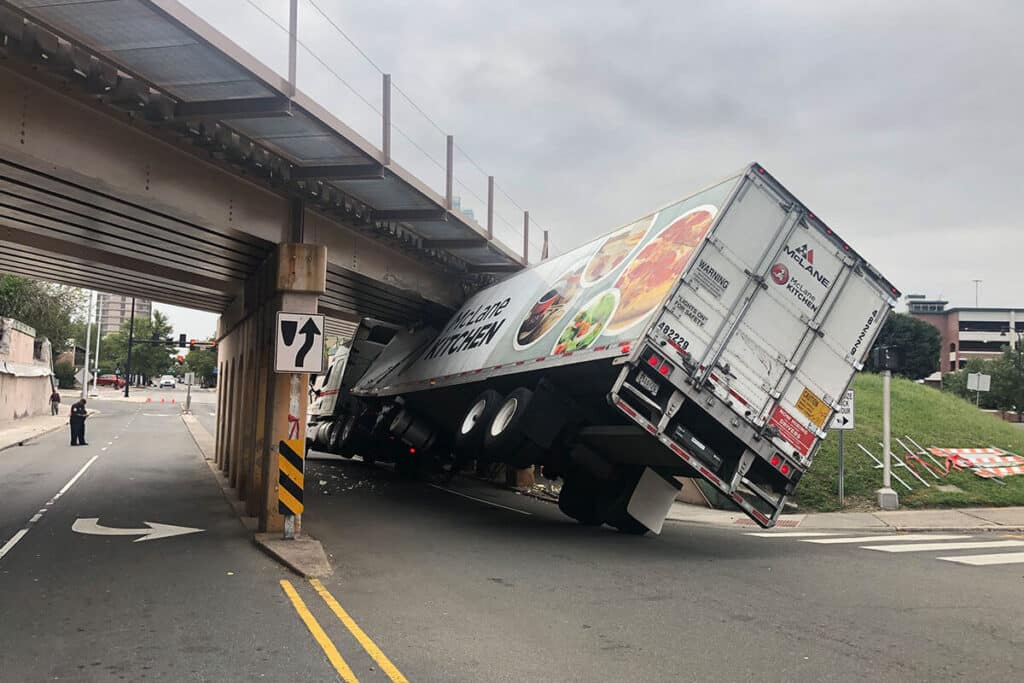
For most truck owners, the vehicle isn’t just a way to get from one place to another. It’s their livelihood. Whether it’s hauling freight across states, making deliveries around the city, or transporting equipment for a business, that truck represents both income and investment. So when something happens to it like a collision on a busy highway, a severe storm, or even theft, the impact is immediate and costly. That’s why many owner-operators and fleet owners carry physical damage truck insurance. This type of coverage is designed to protect your truck itself, not just your liability to others. It helps pay for repairs or replacement when your truck is damaged, giving you the financial cushion to get back on the road as quickly as possible. In this guide, we’ll break down what physical damage insurance is, what it covers, why it matters, and how it can keep your business running even when the unexpected happens. Understanding What Physical Damage Truck Insurance Covers Physical damage truck insurance is coverage that protects your own vehicle against a wide range of risks. Unlike liability insurance, which only pays for damage to someone else’s property, this coverage is focused on protecting your truck. It applies whether your truck is parked at a rest stop or traveling on the interstate. Because commercial trucks are high-value assets, even minor accidents can lead to repair bills that are difficult to cover out of pocket. A single loss event can set a business back thousands of dollars and cause costly downtime. Physical damage coverage is meant to prevent that from happening. There are two major components that make up this protection: truck collision coverage and comprehensive truck insurance. The Two Core Components of Physical Damage Coverage Physical damage truck insurance isn’t just one blanket policy. It’s made up of two main parts that work together to give your truck protection on and off the road. One focuses on accidents and collisions, while the other safeguards your vehicle from unexpected events that happen when you’re not behind the wheel. Understanding how truck collision coverage and comprehensive truck insurance work helps you choose the right protection for your vehicle. These two components form the backbone of most physical damage policies and cover a wide range of risks truck owners face daily. 1. Truck Collision Coverage This part of the policy covers damage caused by accidents involving other vehicles or stationary objects. It applies whether the accident is your fault or not. For example, if your truck collides with another vehicle at an intersection or backs into a pole during a delivery, collision coverage helps pay for repairs or replacement. Even a low-speed impact can cause major body or mechanical damage in a heavy commercial vehicle, and repair costs can escalate fast. Typical scenarios where collision coverage applies include: Without this coverage, those costs would fall entirely on the truck owner. With it, you have a financial safety net that helps keep your business moving. 2. Comprehensive Truck Insurance Comprehensive coverage protects your truck from non-collision incidents – the unexpected things that can happen even when you’re parked or off-duty. This includes theft, vandalism, fire, natural disasters, falling objects, and certain types of weather damage. Imagine finishing a long haul and leaving your truck in a secure lot overnight, only to discover it was vandalized or stolen by morning. Or picture returning to a vehicle that has been damaged by hail during a sudden storm. These are exactly the types of events comprehensive coverage is designed to handle. Situations often covered under comprehensive insurance include: Together, collision and comprehensive coverage create a safety net that shields your truck from both on-the-road accidents and unpredictable off-road incidents. Why Physical Damage Coverage Matters More Than Many Realize For many truckers, skipping physical damage insurance can feel like a way to save money in the short term. But the truth is, one major accident can easily wipe out those savings and create a financial burden that lingers for months or even years. Trucks are expensive to repair, and even more expensive to replace. Beyond the immediate repair bill, being unable to work means lost revenue, delayed contracts, and disappointed clients. Physical damage truck insurance is a way of protecting not just the vehicle, but the business behind it. Here’s why this coverage matters: Who Should Consider Physical Damage Truck Insurance This coverage is particularly important for anyone who has a financial stake in their truck. In many cases, lenders and leasing companies require it as part of your agreement. But even if you own your truck outright, protecting it against unexpected losses is a smart move. You should strongly consider physical damage truck insurance if you are: Even a single claim can more than justify the cost of this coverage. What Affects the Cost of Physical Damage Insurance Not all policies cost the same. Your premium depends on several factors, and understanding them can help you make smart coverage decisions without overpaying. Some of the main factors include: A good policy strikes the right balance between protection and affordability. A knowledgeable insurance provider can help you find that balance. How to Choose the Right Coverage Not all trucking businesses are the same, and your coverage shouldn’t be either. When selecting a comprehensive truck insurance plan, it’s important to consider your unique situation. Here are a few tips to help you choose wisely: The right coverage is not just about checking boxes. It’s about protecting your business against the real risks you face every day. Protect Your Truck with Alliance Insurance Your truck isn’t just another vehicle. It is the backbone of your business, and without it, everything can come to a halt. Physical damage truck insurance gives you the protection to keep moving forward, even when something goes wrong. At Alliance Insurance, we provide truck collision coverage and comprehensive truck insurance tailored to the needs of owner-operators and fleets. Our team understands the industry, the risks, and how to structure coverage that actually
How to Pick an Insurance Company with a Fast and Easy Claims Process

If you’re in the trucking business, then you know that every second counts. A breakdown or an accident doesn’t just hurt your reputation, it costs you money, too. In the blink of an eye, delays stack up, clients get frustrated, and your delivery schedule goes out the window. When something goes wrong, how quickly you can get back on the road matters. So, when it comes to choosing your truck insurance, don’t settle for just a cheap policy. You need one that handles claims as quickly and smoothly as you handle your routes. But here’s the twist: The claims process is often the most overlooked part of insurance. Everyone shops for the best rate or the most coverage, but what about how fast and efficient the claims process is when you need it? This guide will walk you through why the speed and ease of filing truck insurance claims in Florida should be your top priority and how to find the best insurance company that can get your fleet back on track. Why Fast Claims Matter for Trucking Companies You may be thinking, “Isn’t getting a low rate enough?” Well, let’s dig deeper into why the claims process is just as important as the premium you pay. Here’s why having a quick and efficient claims process is essential: What to Look for in an Insurance Provider for Fast Claims Not all insurance companies are created equal when it comes to claims processing. So how can you tell if an insurance provider has the speed and reliability you need? Here are a few things to look for: 1. 24/7 Claims Reporting Accidents don’t happen during business hours, and your insurer shouldn’t stop working at 5 PM. Look for a provider that offers 24/7 claims reporting. This means no matter when you need help, your insurance company is ready to assist. If they don’t offer round-the-clock claims, that’s a big red flag. 2. Dedicated Claims Specialist A claims specialist who is dedicated to your case makes all the difference. A good provider will assign a single person to oversee the claim, ensuring you don’t have to explain your situation over and over. This person will be your go-to contact throughout the process, making it easier to track progress and get answers. 3. Clear and Transparent Process The process should be clearly outlined, with no hidden steps or confusing jargon. A trustworthy insurance company will explain exactly what needs to be done and when you can expect results. They will keep you updated on the status of your claim and what comes next. 4. Quick Repair Authorization The faster the repairs, the faster you get back on the road. A reliable insurance provider should authorize repairs or replacements quickly, making sure your truck gets back to work as soon as possible. The last thing you need is a long wait to fix something that’s already costing you money. 5. Efficient Payout Process After repairs are done, you’ll want your insurance payout to be quick and hassle-free. A great insurance company will work efficiently to provide the funds you need, eliminating unnecessary delays. How Fast Claims Impact Your Bottom Line Let’s be real: when your truck is out of commission, you’re not just losing time; you’re losing money. Here’s a breakdown of how a fast claims process can directly improve your bottom line: 1. Preventing Operational Slowdowns If you’ve got a truck down, you’re likely scrambling to rearrange deliveries or find alternative routes. This means extra work for everyone and lost income while you wait for repairs. A quicker claims process helps minimize downtime and keeps your operations running smoothly. 2. Reducing Unforeseen Expenses Delays in claims can result in additional expenses like rental trucks or paying overtime to make up for lost deliveries. Fast claims reduce these additional costs by getting repairs done sooner, allowing you to get back to business. 3. Building Trust with Clients When your clients see that you’re reliable, even when unexpected issues happen, they’ll trust you more. Efficient claims processing means you’re able to deliver on time, keeping your customers happy, which leads to repeat business and more referrals. How to Assess Whether Your Insurance Provider Is Right for Fast Claims Choosing the right insurance company isn’t just about coverage; it’s about how quickly they’ll help when things go south. Here are some key questions to ask your potential provider before signing on the dotted line: Work with the Right Partner for Fast and Efficient Claims Choosing the right insurance provider means knowing that when things go wrong, you won’t be left hanging. With Alliance Insurance, we understand how important it is to keep your business running smoothly. Our truck insurance claims process is designed to be fast, clear, and responsive, ensuring you’re back on the road as soon as possible. Whether you’re a one-truck operation or managing a fleet, we’ve got you covered. Our team is committed to providing top-notch service and making sure your claims are handled quickly and efficiently, so you can focus on what really matters – keeping your trucks moving. FAQs: Truck Insurance Claims Process in Florida How long does it take to process a truck insurance claim in Florida? Well, it depends on the nature of the claim, but most claims are processed within a few days. If the situation is complex, like involving third-party damages or multiple vehicles, it might take a little longer. But here’s the good news: Alliance Insurance works hard to get things moving quickly. They aim to get you back on track and rolling sooner, with as little hassle as possible. So, while no one wants a claim to drag on, you can rest assured that efficiency is a priority. What should I do immediately after an accident? First things first: Stay calm. Accidents happen, but staying composed helps a lot. Here’s what you should do: The more thorough you are in providing details, the quicker and easier the claims process will go. Trust us, your
How Tour Bus Insurance Differs from Other Commercial Bus Insurance
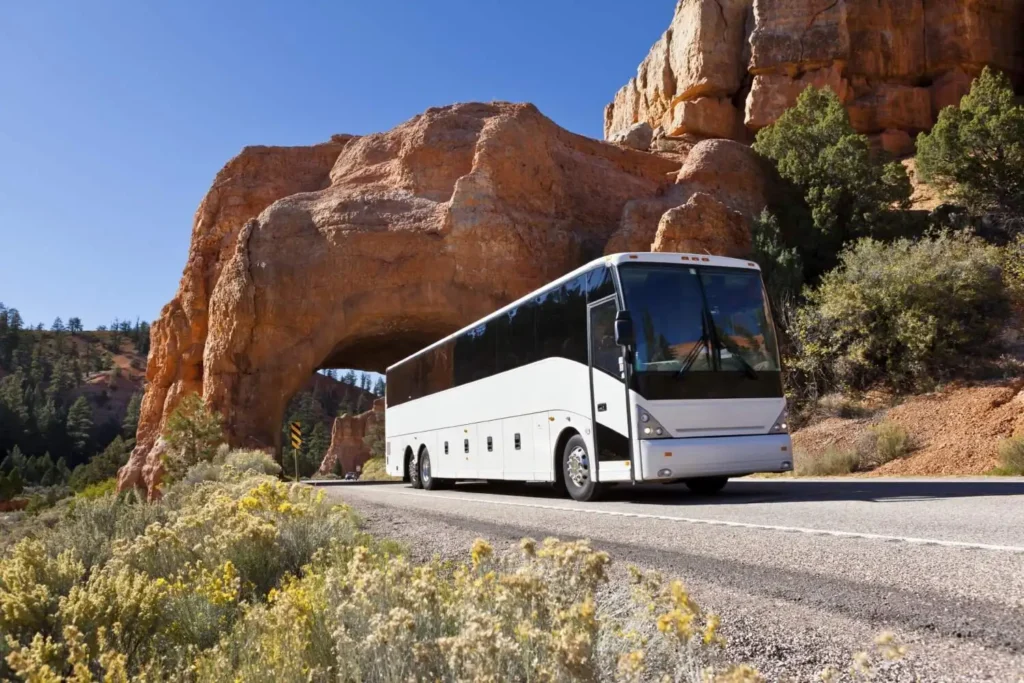
Every trip begins with the same goal: a smooth ride, happy passengers, and a profitable day on the road. But the moment something unexpected happens such as a passenger injury, an accident, or a denied claim, that smooth ride can turn into a financial storm. Tour operators often discover too late that not all bus insurance works the same way. Policies for sightseeing routes and charter trips carry different risks, and the wrong coverage can leave costly gaps that no business wants to face. This is where understanding tour bus insurance in Florida makes the difference. If you manage a tour company, oversee charter services, or operate a bus fleet insurance program, this isn’t just a paperwork detail. It’s the line between being fully protected and being blindsided when something goes wrong. Keep reading, because the next few minutes could save you from making one of the most expensive insurance mistakes in the industry. What Makes Tour Bus Insurance Unique Tour buses have very specific operational patterns. Unlike standard transit or charter buses, they often travel long distances, make frequent stops at tourist attractions, and sometimes even offer entertainment inside the vehicle. These details change how insurers evaluate risk. Here are the main factors that shape tour bus coverage: Coverage Requirements for Tour Bus Insurance Tour bus insurance Florida typically requires broader coverage than standard commercial policies. A strong policy usually includes the following components: How Tour Bus Insurance Differs from Standard Commercial Bus Policies Although commercial bus insurance and tour bus insurance share a few common elements, their core structure differs significantly: Tour Bus Insurance Standard Commercial Bus Insurance High passenger liability due to movement and onboard activities Typically lower liability due to fixed seating and shorter rides Coverage designed for flexible routes and longer distances Coverage often built around fixed routes and regular schedules Higher physical damage coverage due to longer use hours Moderate coverage for shorter, more controlled trips May include liquor liability and entertainment risks Rarely involves these exposures Emphasizes passenger safety documentation and claims handling Focuses more on operational efficiency and collision coverage This difference matters because choosing the wrong type of policy can leave dangerous gaps. A policy built for commuter buses, for example, may not fully cover claims that arise from activities during a sightseeing trip. Why Bus Fleet Insurance Can Simplify Operations For companies that operate multiple buses, including a mix of tour and charter vehicles, bus fleet insurance can simplify management. Instead of juggling several separate policies, fleet coverage groups all vehicles under a single program. This structure often includes: Fleet insurance is especially beneficial for operators whose vehicles serve both fixed routes and touring services. With the right policy design, each vehicle is properly classified and covered for its specific use. Cost Factors for Tour Bus Insurance in Florida The cost of tour bus insurance Florida varies based on several key factors: A good insurance advisor helps balance these factors so you can meet legal requirements without overpaying for unnecessary add-ons. Compliance and Legal Considerations in Florida Florida has strict regulations for commercial passenger transportation. Tour bus operators must meet specific insurance minimums to obtain and maintain operating authority. This includes: Staying compliant is essential not only for legal operation but also for securing and maintaining contracts with hotels, resorts, or event companies. Reducing Risks Before a Claim Happens Insurance is only part of the equation. The best operators combine coverage with strong safety practices. Consider the following risk-reduction steps: A clean safety record can also lower premiums over time. Choosing the Right Partner Matters Not every insurer understands the unique exposures of tour operations. Working with an agency experienced in commercial bus insurance differences can save you from expensive mistakes. The right partner will: Stay Protected with Alliance Insurance Tour bus operations move fast and deal with risks that standard policies can’t always cover. At Alliance Insurance, we help Florida operators build coverage that reflects the real world, from flexible routes and long-distance travel to passenger safety and compliance. Our team has deep experience with tour bus insurance Florida, commercial coverage, and fleet programs that keep operators fully protected without unnecessary complexity. Whether you run a single bus or manage a growing fleet, we’ll help you choose the right protection to keep every trip running smoothly. Call Alliance Insurance today to speak with a specialist about your bus insurance options and build a policy designed for your operation. FAQs: Tour Bus Insurance in Florida What makes tour bus insurance in Florida different from standard commercial bus insurance? Tour bus insurance in Florida covers unique exposures that aren’t always included in standard commercial bus insurance. A sightseeing or tour operation involves frequent stops, unfamiliar routes, and passenger activities both on and off the bus. This creates added liability risks. A specialized policy accounts for these scenarios, ensuring your business is covered for claims that a general policy might overlook. Does tour bus insurance include coverage for passengers during excursions? In most cases, yes. Tour bus insurance is designed to protect passengers from the moment they board until the tour ends. This can include liability for injuries that occur on the bus or during stops along the route, depending on how your policy is structured. If your tours involve frequent stops or activities, this coverage can be essential to prevent out-of-pocket costs. How does tour bus insurance affect overall fleet insurance planning? Tour bus coverage can be layered into a larger bus fleet insurance plan. Many operators run mixed fleets with charter and tour buses. By clearly classifying each vehicle, insurers can tailor coverage to match actual use. This helps avoid gaps in protection and prevents paying for unnecessary add-ons that don’t apply to your operation. What factors influence the cost of tour bus insurance in Florida? Premiums are shaped by several factors, including the size of your fleet, passenger capacity, type of tours you run, and your claims history. Urban sightseeing routes, for example, typically carry higher liability exposure
Florida Home Insurance & Hurricane Survival Guide 2025

Every summer, Floridians keep one eye on the tropics. Hurricanes have always been part of life in the Sunshine State, but in recent years storms have become stronger and insurance markets more volatile. Protecting your property is about more than boarding up windows or stocking bottled water—it starts with a policy that can stand up to the worst weather. This 2025 guide breaks down how home insurance in Florida works during hurricane season, what coverage you really need, and how to keep costs under control even in a challenging market. Why Florida’s Home Insurance Market Is So Complex Florida sits between the Atlantic and the Gulf of Mexico, giving it more hurricane exposure than almost anywhere else in the world. Repeated billion-dollar storms have pushed many private carriers to scale back or leave the state, creating what is often called the Florida home insurance crisis. Fewer companies mean less competition and higher premiums. Finding affordable home insurance in Florida takes persistence, but it is possible. The key is to compare multiple home insurance quotes in Florida and work with an independent agent who can access a range of carriers. With the right guidance, homeowners can still secure low cost home insurance in Florida that provides the protection they need without unnecessary extras. How Hurricanes Are Covered in a Standard Policy Homeowners frequently ask, “Does home insurance cover hurricane damage?” In most cases, yes. A standard policy includes hurricane home insurance or a home insurance hurricane coverage clause that protects the structure of your house when high winds or wind-driven rain from a named storm cause damage. However, hurricane claims are subject to a special home insurance hurricane deductible. Unlike the flat deductible you pay for other types of losses, this is typically a percentage of your home’s insured value—often between two and five percent. If your property is insured for $300,000 and your deductible is three percent, you would pay the first $9,000 in hurricane damage before your insurer pays the rest. One critical detail: standard policies do not include home insurance hurricane flood damage coverage. Flooding from storm surge or heavy rain requires a separate flood policy. Even homeowners miles inland can face flash flooding, so flood insurance is worth considering. Residents often ask whether carriers like Seaside home insurance cover hurricane damage; most insurers, including the Florida state home insurance program, require a separate flood policy for storm surge. What Hurricane Insurance Does and Doesn’t Cover A typical policy’s hurricane protection includes: Structure repair: Coverage for your home’s roof, walls, and foundation if damaged by hurricane winds. Detached structures: Sheds, fences, and detached garages are usually protected as well. Personal property: Furniture, electronics, and clothing damaged by wind or rain that enters through a wind-damaged opening. It does not cover flood damage or losses from neglect, such as a roof left unrepaired before a storm. If you own a seaside property, make sure your flood policy specifically includes home insurance to cover hurricane damage from surge or rising water. The Cost of Protection in 2025 The average home insurance cost in Florida is among the highest in the country. Rates vary widely depending on your location, the age of your home, and the strength of your roof. Homeowners often ask, “How much is home insurance in Florida per month?” In 2025, many households pay between $200 and $400 monthly for comprehensive coverage. Older homes or those near the coast can expect higher premiums. To find the best home insurance in Florida, compare several quotes, but look beyond the price: check coverage limits, windstorm deductibles, and customer service records. Some carriers advertise cheap home insurance in Florida, but the least expensive policy may leave you underinsured after a storm. A better strategy is to balance price with strong hurricane home insurance and flood protection. How to Lower Your Premiums You may not control the weather, but you can take steps to reduce your premiums: Fortify your home. Adding impact-rated windows, reinforced garage doors, and a new roof can earn discounts. Maintain your property. Trim trees, repair loose shingles, and keep gutters clear to reduce claim risks. Increase your deductible carefully. A higher home insurance hurricane deductible can lower premiums, but make sure you can cover it if a storm hits. Shop annually. Comparing home insurance quotes in Florida every year helps you catch better rates or new discounts. Preparing for Hurricane Season: A Homeowner’s Checklist Insurance protects your finances, but preparation protects your family and property. Before hurricane season begins: Stock an emergency kit with food, water, medications, and flashlights. Secure outdoor furniture and other items that could become dangerous projectiles in high winds. Photograph your property and valuables for easier claims processing. Review evacuation routes and identify shelters in case you need to leave quickly. These steps help you recover faster when the next storm arrives. Protect Your Florida Home Before the Next Storm Staying safe through hurricane season starts long before the first storm warning. Reviewing your policy, understanding your home insurance hurricane deductible, and making sure your coverage truly reflects today’s rebuilding costs are steps you cannot skip. This is where guidance makes a real difference. The team at Alliance Insurance works with Florida homeowners every day to make those preparations easier. We help you review existing coverage, compare updated home insurance quotes in Florida, and identify gaps, like missing flood protection or outdated limits, before a hurricane is on the radar. We specialize in matching clients with hurricane home insurance that stands up to the toughest storms while still providing affordable home insurance in Florida. From explaining the average home insurance cost in Florida to securing low cost home insurance in Florida that meets building codes, we handle the details so you can focus on preparing your home and family. With our support, you can head into the 2025 season confident that your home and family are protected by a policy that fits both your budget and the realities of Florida weather. Don’t wait
Commercial vs. Personal Auto Insurance: Coverage, Costs & Key Differences
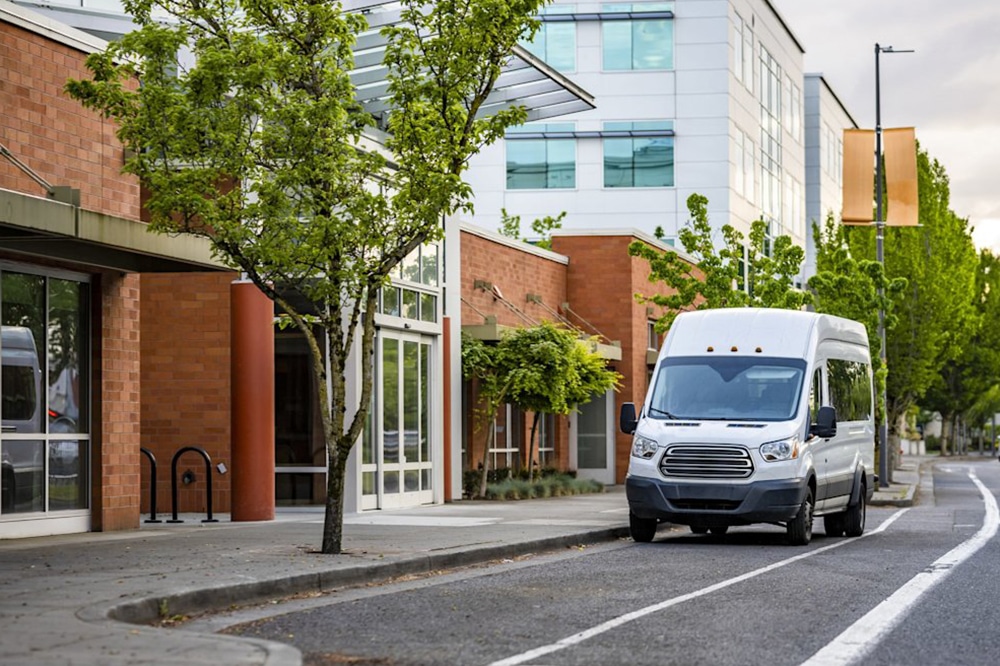
Every vehicle on the road needs insurance, but not every vehicle needs the same kind. A family sedan used for school runs and grocery trips has very different risks than a van that delivers goods or transports clients every day. Yet many drivers blur the line between these uses and are unsure which policy truly protects them. That uncertainty matters. Choosing between commercial auto insurance vs personal coverage is not a matter of checking a box on a form; it determines how medical bills, property damage, and lost income are handled after an accident. A personal plan might leave gaps if you use the car for business, while a commercial plan may be unnecessary if it rarely leaves the driveway for work. This guide unpacks the essentials, explaining how each policy works, what protections and limits they offer, how the costs compare, and when you may need one or even a combination of both. By the end, you’ll know exactly which type of auto insurance matches the way you use your vehicle and why making the right choice protects both your finances and your peace of mind. Understanding Personal Auto Insurance Coverage A personal policy is the foundation for most individual drivers. Personal auto insurance coverage is designed for everyday life: commuting to work, taking children to school, or running weekend errands. It provides financial protection if you cause an accident or your car is damaged. Before exploring business policies, it helps to review what a typical personal plan includes: Liability coverage – Pays for bodily injury or property damage you cause to others. Collision coverage – Covers repairs to your own car if it’s damaged in an accident. Comprehensive coverage – Protects against theft, fire, vandalism, or weather-related damage. Medical payments and uninsured motorist coverage – Optional protections that help with medical bills when another driver lacks adequate insurance. These policies are priced for private use. They assume limited mileage and personal driving habits. If you regularly transport goods or clients, a personal plan may leave gaps in protection. What Commercial Auto Insurance Coverage Provides When a vehicle is used primarily for business, it needs stronger protection. Commercial auto insurance coverage is written for companies, contractors, and self-employed professionals who use vehicles to earn income. It extends beyond personal plans by offering higher liability limits and broader coverage for multiple drivers or vehicles. Typical features include: Higher liability limits to protect against lawsuits when transporting passengers or valuable cargo. Coverage for employees or non-owners who drive company vehicles. Protection for tools, equipment, or inventory carried in the vehicle. A frequent question is ‘does commercial auto insurance cover personal use’. Limited personal driving, such as taking the company truck home, is usually acceptable, but using it for purely private errands may require a special endorsement. Your agent can explain how to document occasional personal use without risking a denied claim. Key Differences Between Personal and Commercial Policies The difference between personal and commercial auto insurance goes beyond the name on the policy. When asking what is the difference between commercial and personal auto insurance, keep these distinctions in mind: Purpose of the vehicle – Personal policies are meant for family or private use, while commercial policies cover vehicles used to generate income. Who is insured – Business plans can include employees, contractors, and multiple drivers. Personal plans typically extend only to the policyholder and household members. Coverage limits – Commercial policies offer much higher liability limits to address the risks of transporting goods or paying passengers. Types of vehicles – From delivery vans to service trucks, commercial coverage applies to a wider range of vehicles and heavier equipment. Claims process – A commercial claim often involves business documentation and higher potential payouts, so underwriting and claims review are more detailed. These differences mean a personal policy is not a safe substitute for a vehicle used primarily for work. Comparing Costs: Commercial vs Personal Auto Insurance Price often drives the decision, but the commercial vs personal auto insurance cost is not a simple comparison. Business coverage generally costs more because of higher liability limits and greater exposure to risk. Two common questions highlight the confusion: Is commercial auto insurance cheaper than personal? – Generally no. The higher mileage and business use increase risk and raise premiums. Is business car insurance cheaper than personal? – For the same reasons, it usually costs more than a personal policy. However, there are exceptions. A lightly used company car with a clean record may have premiums close to those of a personal plan. State regulations, the type of vehicle, and the driver’s history all influence the final price. The best way to know is to request quotes from multiple carriers and compare coverage side by side. When You Need Business Car Insurance vs Personal Coverage It is not always obvious when to switch from a personal policy to business coverage. Anyone debating business car insurance vs personal insurance should begin by reviewing how the vehicle is used. Situations that usually require a commercial policy include: Transporting clients or paying passengers. Delivering goods, materials, or equipment. Allowing employees or contractors to drive the vehicle. Using the vehicle primarily for work-related travel. If you only commute to an office and occasionally pick up supplies, personal insurance is typically sufficient. Drivers who mix work and personal use often ask, do I need both commercial and personal auto insurance. In some cases the answer is yes, especially if the same vehicle doubles as a family car and a business asset. Your agent can recommend a single policy with the right endorsements or separate policies to avoid gaps. Practical Steps to Choosing the Right Policy Finding the right coverage is easier when you follow a clear process. Use the checklist below as you evaluate your needs: List how the vehicle is used. Note the percentage of time it spends on business tasks versus personal errands. Gather driver and vehicle information. Include all employees or family members who operate the
Choose the Right Bus Insurance Type for Your Business: Coverage, Costs & Policy
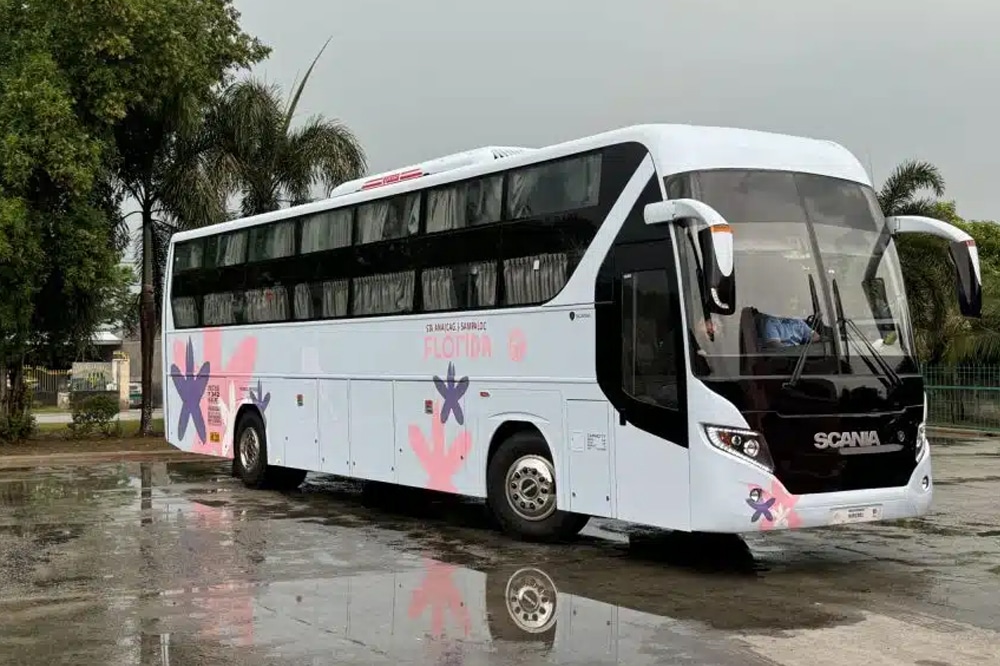
Running a bus company, whether you operate a small charter service or a full commercial fleet, means carrying passengers, protecting valuable vehicles, and meeting strict legal requirements every day. One serious accident or even a minor fender bender can quickly turn into a major financial loss if you do not have the right protection in place. That is why choosing the right bus insurance policy is not simply a legal formality; it is a key part of keeping your business healthy and your passengers safe. So, how do you decide which auto insurance coverage is right for your operation? Understanding the different types of car insurance coverage, the costs involved, and what each auto insurance policy actually protects will help you make a confident choice. Why Bus Insurance Is Different from Basic Auto Insurance A personal car insurance policy and a commercial bus insurance plan share the same purpose of protecting vehicles and people, but the scale and risks are very different. Because of these factors, basic car insurance coverage or a standard auto insurance policy is not enough. Bus operators need specialized protection that goes beyond what most motor insurance policies provide for private cars. Understanding the Types of Coverage for Bus Insurance Before comparing prices, it is essential to understand what each type of car insurance coverage offers. A strong policy typically includes several layers of protection: These options show that a policy for car insurance designed for buses needs more than the basic auto insurance that personal drivers carry. Balancing Coverage and Cost The cost of commercial bus insurance depends on several factors: Working with an experienced agent ensures that you strike the right balance between affordability and the level of protection your business requires. Why a Tailored Auto Insurance Policy Matters A one-size-fits-all policy can leave dangerous gaps. For example, a basic car insurance plan might cover collisions but not the income lost if a key vehicle is out of service for weeks. Similarly, standard motor insurance policies might not address the unique risks of carrying dozens of passengers or the cost of specialized equipment. A custom automobile insurance policy crafted for buses addresses these concerns by combining the right mix of car insurance coverage types, from liability to comprehensive, so you are not paying for unnecessary extras or leaving critical exposures unprotected. Tips for Choosing the Right Bus Insurance Selecting the best bus insurance for your company takes more than scanning a few quotes. The right policy protects passengers, drivers, and your bottom line without leaving costly gaps in coverage. Before you sign on the dotted line, consider these key steps: Taking the time to work through these points gives you more than a policy; it gives you confidence. You’ll know your commercial bus insurance provides the right mix of protection and cost efficiency, so you can focus on running your transportation business without worrying about hidden gaps in your auto insurance policy. Want to Be Sure You Choose the Right Bus Insurance for Your Business? Selecting the right mix of auto insurance coverage for a bus fleet is not always straightforward. Between state requirements, passenger liability concerns, and the costs of keeping multiple vehicles on the road, it helps to have a clear roadmap before you commit to any policy. Think through these essentials first: Taking time to clarify these points helps you secure a commercial bus insurance plan that keeps passengers, drivers, and your investment protected without paying for extras you do not need. FAQs 1. What does car/ auto insurance cover for a commercial bus business? A personal car insurance policy typically includes liability, collision, and comprehensive protection for private vehicles. For a bus company, those same core coverages are expanded and strengthened. A commercial bus insurance policy covers passenger injury claims, property damage, and often adds options like business interruption coverage to protect your income if a bus is out of service. In other words, what car/ auto insurance covers in a basic policy is the starting point, but a commercial plan broadens those protections to match the higher risks of transporting passengers. 2. How do I know how much liability coverage my bus company needs? Start by reviewing your fleet size, the number of passengers you transport, and the type of routes you run. State and local regulators usually set minimum liability requirements for commercial transportation, but those minimums may not fully protect you if a serious accident occurs. An experienced agent can look at your business model, traffic patterns, and passenger volume to recommend liability limits that truly match your exposure instead of just meeting the bare legal standard. 3. What factors affect the cost of a commercial bus insurance policy? Several details influence your premium. Insurers will consider the number of buses you operate, their age and value, and the driving records of your employees. Routes also matter as buses that travel long distances or through dense urban traffic carry higher risk. Finally, the coverage limits and deductibles you select will have a direct impact on price. Higher limits or lower deductibles give you stronger protection but typically increase premiums. 4. Is basic auto insurance ever enough for a small shuttle or charter bus? No. Even a small shuttle or charter bus carries passengers and operates as a commercial business. That creates liability far beyond what a basic car insurance policy covers. Without a dedicated commercial bus insurance plan, you risk paying out of pocket for passenger injuries, property damage, or lost income if the vehicle is out of service after an accident. 5. Can I cover multiple buses under one automobile insurance policy? Yes. Many insurers offer fleet policies that group all of your vehicles under a single automobile insurance policy. This simplifies paperwork and often results in better pricing than insuring each bus individually. Fleet policies can also be tailored so that coverage applies to every vehicle, old or new, as your business grows. 6. How often should I review or update my bus insurance
Party Bus Insurance vs. Charter Bus Insurance: Which Do You Need?
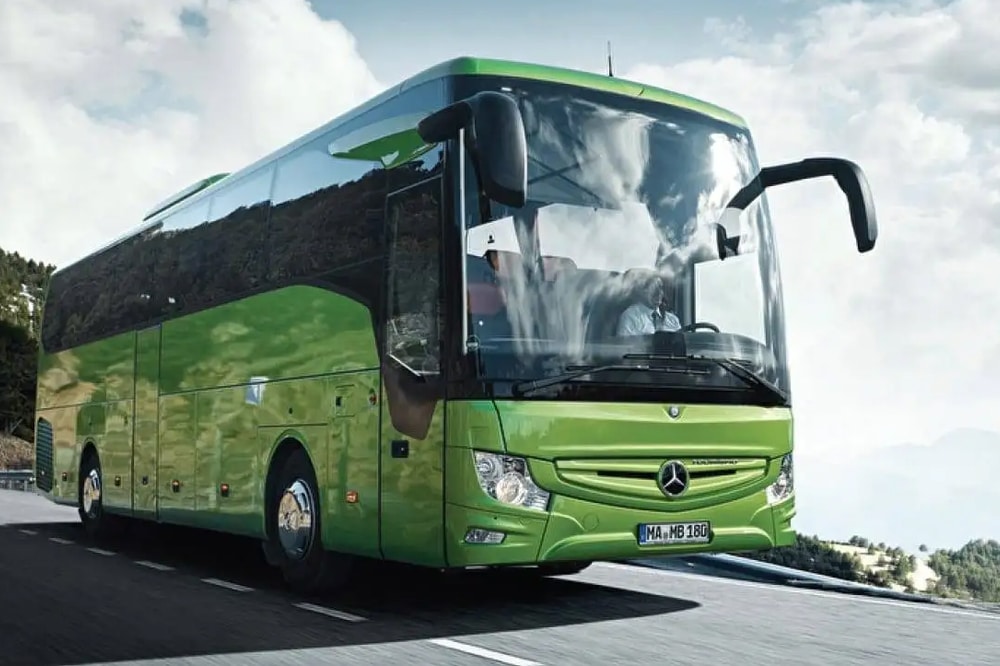
If you carry passengers for hire, insurance is not optional. It is the safety net that protects your riders, your drivers, and your business when the unexpected happens. The challenge is that not every operation faces the same risks. A party bus with a dance floor and a booming sound system is not the same as a charter bus crossing state lines with a youth sports team. Policies look similar on paper, yet the coverages, limits, and endorsements you need can be very different. Below is a complete guide that explains how party bus insurance and charter bus insurance work, what they cover, how costs are calculated, and how to choose the right fit for your operation. Party Bus vs. Charter Bus: What Each One Really Serves Before you can select coverage, it helps to look closely at the service each vehicle provides and the passengers it attracts. These details shape the kind of insurance you will need. Party Bus A party bus is designed for entertainment and short, event-focused trips. These vehicles usually have perimeter seating and open floor space for dancing or mingling. Features often include club-style lighting, premium audio systems and, in some cases, a bar or poles for dancing. Typical groups include: A mini party bus might carry 10–15 people while a full-size version often carries 20–40. Charter Bus A charter bus, also called a motorcoach, is built for long-distance group transportation rather than on-board partying. Passengers sit in forward-facing seats, and amenities often include overhead luggage racks, restrooms and video screens. Common users include: These coaches generally seat 40–60 passengers and are designed for comfort over many miles. Understanding the purpose and passengers of your vehicles is the first step in matching your operation to the right type of insurance. Why Insurance Requirements Diverge Both services require strong liability protection because you carry people for hire. The real difference lies in how risk shows up day to day. What Does Car / Auto Insurance Cover in This Context? People often ask what car/ auto insurance covers when the vehicle is a bus and the operation is commercial. Think of a commercial policy as an expanded version of private auto coverage. Those building blocks exist in both commercial party bus insurance and charter bus insurance, but limits and add-ons are tuned to the way you operate. Party Bus Insurance: Coverage, Cost Drivers, and Compliance A party bus is more than transportation; it is a moving venue. Whether you operate a full-size coach or a mini party bus, the combination of entertainment, music and sometimes alcohol creates risks that go well beyond standard auto coverage. A solid commercial party bus insurance plan protects your business, your passengers and your drivers while meeting state and local rules. Below is a detailed look at the protection you will need, the party bus insurance requirements, the factors that shape the party bus insurance cost, and practical steps for keeping premiums manageable. Core Coverages You Will Likely Need Because a party bus mixes the risks of a passenger carrier with those of an entertainment venue, insurers expect a policy to include several layers of protection. These coverages form the backbone of any strong plan: Meeting Party Bus Insurance Requirements Insurance is only part of the picture. Local and state regulators set standards that every operator must follow before offering trips or advertising a party bus cost. Typical requirements include: Meeting these requirements protects passengers and helps keep your policy in good standing with your insurer. What Shapes the Party Bus Insurance Cost Premiums for commercial party bus insurance vary because every operation is unique. Insurers typically look at the following: Ways to Keep Premiums Manageable Although party bus operations carry unique risks, you can still control costs with strong risk-management practices. These steps not only reduce incidents but also show insurers that you take safety seriously: By combining these coverages and practices, you create a party bus insurance plan that protects your passengers and your business while keeping premiums as low as possible. These same principles such as evaluating risks, meeting legal requirements, and investing in safety, apply whether you operate a single mini party bus or a full fleet. Charter Bus Insurance: Coverage, Cost Drivers, and Compliance Operating a charter bus or motorcoach service means you are responsible for moving large groups of passengers, often across long distances and sometimes across state lines. That level of responsibility calls for a stronger and more carefully structured insurance plan than a typical auto policy. A solid charter bus insurance program protects passengers, drivers and the business itself while meeting both state and federal regulations. Below is a detailed look at the coverage you need, the charter bus insurance requirements, the factors that determine the charter bus insurance cost, and the steps you can take to keep premiums manageable. Core Coverages You Will Likely Need A motorcoach insurance policy is built on the same basic ideas as a personal auto policy, but with higher limits and added protections to match the scale of commercial operations. These are the essential coverages and why they matter: Meeting Charter Bus Insurance Requirements In addition to buying the right coverage, operators must follow specific regulations before their buses can legally operate. These obligations vary depending on where and how you run your service: Factors That Influence Charter Bus Insurance Cost The charter bus insurance cost varies because each operation is unique. Insurers consider several details before setting a premium: Cost Control Ideas Even though charter bus insurance requires high limits and comprehensive coverage, there are steps that can help keep costs in check. These practices show insurers that you take safety and risk management seriously: With the right charter bus insurance coverage in place, supported by solid compliance practices and a focus on driver and vehicle safety, you can protect passengers, meet every charter bus insurance requirement, and control costs while keeping your motorcoach insurance program strong for the long term. Not every group needs to
How Freight Type Drives Commercial Truck Insurance Rates in Tennessee

Commercial trucking plays a key role in Tennessee’s economy. From Memphis to Chattanooga, trucks move vital goods daily. But, the type of freight hauled can significantly affect rates for trucking insurance in Tennessee. Why Freight Type Matters for Trucking Insurance Tennessee Rates Most importantly, not all cargo is equal in the eyes of insurance companies. Risk levels differ based on what you transport. Therefore, the freight you haul is a major factor in how much you pay. For example, hauling hazardous materials involves more risk. Due to this, insurers charge higher premiums to cover those risks. On the other hand, hauling dry goods like clothing may carry less risk. In short, what’s inside the trailer changes everything. That is to say, freight type directly influences both liability and cargo class insurance coverage needs. Understanding Cargo Class Insurance Simply put, cargo class insurance refers to coverage for the type of goods being hauled. Different cargo types fall into specific classifications. Each class reflects the risk and value of the freight. For instance, Class 1 might include basic household goods. Meanwhile, higher-risk classes may include chemicals or electronics. Moreover, freight with a high theft rate typically leads to higher premiums. To clarify, this classification system helps insurers set accurate prices. The higher the risk, the higher the cost of coverage. Common Freight Categories and Their Impact on Rates General Freight Firstly, general freight includes non-hazardous, non-perishable goods. This might be furniture, books, or tools. Consequently, these hauls usually have lower insurance costs. Refrigerated Goods However, refrigerated cargo adds complexity. These loads must stay within a strict temperature range. So, if the refrigeration unit fails, the load can spoil. Due to this risk, rates are higher. Hazardous Materials Most importantly, hazardous materials are among the most expensive to insure. This includes chemicals, flammable liquids, and biohazards. In addition to insurance costs, carriers must follow strict regulations. In Tennessee, this type of freight usually requires specific endorsements. For example, hazmat haulers must follow both federal and state safety laws. The added compliance increases operational costs, including insurance. High-Theft Items Meanwhile, electronics, tobacco, and pharmaceuticals fall into the high-theft category. Insurers view these loads as more likely to be stolen. Therefore, cargo class insurance premiums are much higher for such goods. How Tennessee’s Geography Influences Trucking Insurance Rates In addition to freight type, geography plays a role. Tennessee’s highways connect to eight other states. This makes it a key logistics hub, especially for long-haul trucking. For instance, I-40 and I-75 are major corridors for commercial transport. These busy routes increase exposure to accidents and theft. As a result, insurers adjust trucking insurance Tennessee rates to reflect local risk levels. Moreover, certain regions have more claims than others. Cities like Nashville and Memphis may carry higher premiums than rural areas. Simply put, more traffic means more risk. Fleet Size and Its Connection to Freight Type Certainly, the number of trucks in a fleet can affect how freight impacts insurance rates. Larger fleets tend to have more diverse cargo. This can spread risk and reduce per-truck insurance costs. On the other hand, single-truck operators may haul niche freight. If the cargo is high-risk, their rates could be higher. That is to say, having just one truck doesn’t mean cheaper insurance. For example, a solo hauler carrying electronics regularly could pay more than a fleet moving dry goods. The difference lies in what’s being hauled. Regulatory Requirements and Insurance Minimums In Tennessee, all commercial trucks must carry a minimum amount of liability insurance. However, the required amount varies based on freight. For instance, if you haul hazardous materials, the FMCSA (Federal Motor Carrier Safety Administration) mandates a $5 million liability minimum. In contrast, general freight may only require $750,000. Due to this, freight type influences not just insurance rates, but minimum coverage limits too. These limits exist to protect the public and cargo owners in the event of a major loss. The Role of Claims History Claims history also affects how freight type impacts insurance rates. For example, if a company has several claims while hauling perishable goods, future premiums may spike. Likewise, a clean safety record while transporting hazardous freight could reduce premiums. Insurers reward low-risk behavior. Consequently, safe drivers and well-maintained trucks matter, regardless of freight type. How to Reduce Costs Based on Freight Type Use Specialized Equipment In addition to proper coverage, using the right trailer for your freight can help. For example, insulated trailers for perishables reduce spoilage risk. That can lead to lower premiums over time. Train Your Drivers Most importantly, training drivers to handle specific freight types reduces risk. For instance, hazmat training lowers the chance of accidents. Better training can lead to fewer claims, which improves insurance costs. Shop Around Furthermore, different insurers specialize in different freight types. One insurer may offer better rates for general freight, while another focuses on refrigerated cargo. So, comparing quotes matters. Bundle Coverage In the same vein, bundling cargo class insurance with liability or physical damage coverage can offer discounts. Therefore, working with a broker may help find cost-saving options. Case Study: Freight and Insurance in Action Let’s take a real-world scenario. A Tennessee-based carrier hauls consumer electronics from Nashville to Atlanta. Electronics are high-theft freight. As a result, the insurer increases the cargo class insurance premium. However, the same company also hauls paper goods. These goods are low-risk. So, insurance for those loads is cheaper. The company’s overall insurance rate reflects the mix of freight types. In conclusion, what a trucking company hauls plays a big role in what it pays. Freight Type Is the Foundation of Risk Assessment To sum up, freight type is a core factor in determining trucking insurance Tennessee rates. It affects everything from coverage minimums to premium amounts. In other words, insurers look closely at what you’re hauling. High-risk freight equals high rates. Low-risk cargo keeps costs manageable. Most importantly, knowing your freight’s risk class helps you plan better. It allows you to budget for insurance and take