
MCS-90 and BMC-91 Filings Explained for Florida Trucking Companies
If you’re trying to stay on top of truck insurance compliance in Florida, the confusing part is that “having insurance” and “being compliant” are not the same thing. You can pay your premium on time and still end up with: An FMCSA filing that never posted, A lapse that triggers revocation proceedings, A broker that refuses your onboarding because your authority shows “no insurance on file.” This blog explains what MCS-90 and BMC-91/91X actually are, what they do (and do not do), and how Florida carriers can avoid the most common compliance mistakes, especially when switching insurers, moving from leased-on to authority, or updating operations. The Compliance Stack: Policy, Endorsement, And Filing Think of compliance in three layers: Your insurance policy (the coverage contract you pay for) Required endorsements attached to that policy (like MCS-90 in certain situations) FMCSA filings that prove your coverage exists to the government (like BMC-91/91X) For authority, it’s the filing layer that causes most “I have insurance but my authority isn’t active” problems. FMCSA is clear that you must keep proof of insurance on file to avoid revocation proceedings. What Is The Mcs-90 Endorsement In Florida? MCS-90 Is An Endorsement, Not A Filing The MCS-90 endorsement in Florida is an endorsement attached to certain motor carrier policies to demonstrate compliance with federal financial responsibility rules under 49 CFR § 387.15. Key point: MCS-90 is not the form your insurer “files” with FMCSA to activate your authority. It lives with your policy paperwork. What MCS-90 Is Designed To Do MCS-90 exists to protect the public by ensuring there is financial responsibility available for certain negligence-related judgments involving the carrier’s vehicles/operations. What MCS-90 Does Not Do MCS-90 does not automatically: Post your proof of insurance with FMCSA, Satisfy a broker’s contract requirements, Replace cargo insurance, Replace your actual policy coverage terms. It’s a compliance mechanism tied to federal financial responsibility rules—not a “magic coverage upgrade.” What Is A BMC-91 Filing, And Why Does It Matter So Much? BMC-91 / BMC-91X Is The Proof-Of-Insurance Filing Fmcsa Cares About The BMC-91 filing requirements in Florida come into play when you are operating under federal authority and need proof of public liability (bodily injury + property damage) on file with FMCSA. FMCSA explains that proof of insurance for bodily injury and property damage is provided through Form BMC-91 or BMC-91X, and the forms are produced and filed by insurance companies (often electronically). BMC-91 vs BMC-91X (simple difference) BMC-91: typically indicates the full required liability limit is provided by one insurer BMC-91X: typically indicates the required limit may be met by multiple insurers (shared/excess structure) The practical takeaway is the same: your insurer files it, FMCSA receives it, and your authority status reflects it. FMCSA Insurance Filing In Florida: What “On File” Really Means When people say “FMCSA insurance filing in Florida,” they usually mean: Does FMCSA show the required proof of insurance on my authority record? FMCSA’s insurance filing guidance makes it clear that once authority is granted, entities must maintain proof of insurance on file to avoid revocation actions. So if your authority is pending activation or gets suspended, a common cause is: Your policy exists, but the filing did not post correctly, OR A lapse/cancellation triggered removal of proof. DOT Insurance Compliance In Florida: The Difference Between “DOT” And “Authority” This is where new carriers get tripped up: Having a USDOT number relates to registration and safety monitoring. Having operating authority (MC/FF) triggers insurance filing requirements with FMCSA (depending on your operation). FMCSA’s safety planner specifically states that before provisional authority is granted, the carrier must provide proof of insurance using BMC-91 or BMC-91X. So “DOT insurance compliance in Florida” is really about understanding which bucket you’re in: DOT number only DOT + federal operating authority Leased on under someone else’s authority Each has different proof expectations. That gets even more important once your operation starts crossing state lines, because commercial truck insurance for Florida-based fleets operating across state lines brings extra compliance and filing considerations that local-only operators may not run into right away. Federal Trucking Insurance Requirements: What You’re Proving At a high level, federal rules require certain carriers to show financial responsibility for public liability (and in some cases other requirements depending on what you haul). The form mechanism that proves liability coverage to FMCSA is the BMC-91/91X filing. This is why “I have COIs” doesn’t fix authority issues. A COI helps with contracts, but FMCSA compliance is about the filing. Proof Of Insurance For Trucking Authority: What Brokers Want Vs What FMCSA Needs FMCSA Needs Proof of insurance filed (BMC-91/91X) and maintained on file. Brokers/Contract Partners Want A Certificate of Insurance (COI) with specific limits, wording, additional insured requirements, waiver of subrogation, etc. (contract-driven) Often higher limits than “minimum compliance,” depending on freight So you can be compliant with FMCSA and still be non-compliant with a broker contract. And you can meet a broker’s COI demands but still have FMCSA show “no proof on file” if the filing isn’t posted correctly. Where Form E Filing In Florida Fits In Form E filing in Florida comes up most often in conversations about intrastate (state-regulated) financial responsibility, not FMCSA authority activation. Form E is generally described as a certificate filing used to show a motor carrier meets a state’s liability/financial responsibility requirements for intrastate operations. Florida processes around proof of insurance for certain commercial registrations can involve specific documentation expectations. Florida’s own procedure documents describe acceptable proof forms (like certificates, binders, policies, etc.) for compliance with Florida requirements in certain contexts. Practical tip: if you’re purely intrastate, don’t assume your needs mirror FMCSA filing rules. Your compliance path can change depending on whether you’re regulated federally, by the state, or both. The most common compliance mistakes Florida carriers make 1) Assuming MCS-90 “Activates” Authority It doesn’t. Authority activation is tied to FMCSA having the required proof-of-insurance filing (BMC-91/91X) on record. 2) Switching Insurers Without Planning The Overlap If your old policy cancels before the new
High-Risk Commercial Truck Insurance in Florida (DUI, Accidents, Lapses)

If you’re shopping for commercial truck insurance in Florida with a DUI, recent accident, or a lapse on your record, the frustrating part is not just the price. It is the uncertainty. Some agents say “no problem” until underwriting declines you. Others quote something that looks affordable, then it falls apart when the carrier asks for more details. And if you’re trying to keep authority active, you don’t just need a policy, you need stability, filings, and documentation that hold up under contract and compliance pressure. This guide explains what “high-risk” actually means in trucking insurance, how underwriters judge DUI/accidents/lapses, what you can do to get approved faster, and how to lower your cost over time without buying a policy that leaves you exposed. What “High-Risk Trucking Insurance In Florida” Really Means High-risk is not a label you choose. It is how insurers categorize you based on the likelihood and severity of a claim. In trucking, the biggest high-risk triggers are: Major violations (like DUI) At-fault accidents, especially recent or multiple A pattern of tickets that suggests unsafe driving A lapse in coverage truck insurance in Florida (even a short one) New authority + limited experience stacked on top of the above Frequent changes: switching companies, changing lanes, adding drivers quickly If any of these show up, insurers respond in predictable ways: Fewer carriers will quote Underwriting will ask for more documentation Premiums rise because the probability of loss is higher Deductibles may increase Certain coverages may be restricted depending on the risk profile The goal is not to hide the risk. The goal is to present it clearly, show control, and structure a policy that matches what you’re actually doing. That becomes even more important once your operation crosses state lines, because commercial truck insurance for Florida-based fleets operating across state lines can add another layer of underwriting scrutiny, compliance expectations, and exposure. Truck Insurance With DUI In Florida: What Changes A DUI is one of the biggest underwriting red flags in commercial auto because it signals a high-severity risk. If you need truck insurance with DUI in Florida, expect: Fewer insurers willing to write the risk Stricter underwriting review Higher down payments Possible limitations on who can be a listed driver Higher liability premiums due to severity concerns What Underwriters Usually Want To Know They will typically ask: Date of the DUI and disposition Whether it was a CDL-related incident Any license restrictions or reinstatement status Proof of completed requirements (if applicable) Whether there are other violations or accidents The Reality Most Drivers Miss The DUI itself matters, but what matters just as much is whether your file shows a “pattern.” A single DUI with otherwise clean history is different from a DUI plus speeding plus multiple incidents. Commercial Truck Insurance After Accident In Florida: How Accidents Affect Your Quote If you’re looking for commercial truck insurance after accident in Florida, underwriting is usually focused on three things: 1) Fault And Severity An at-fault accident and a not-at-fault accident do not carry the same weight. Severity matters too, large paid losses change how carriers view future exposure. 2) Recency The closer the accident is to today, the more it impacts your premium. Time is a risk reducer. 3) Frequency One accident can be worked with. Multiple accidents create a frequency pattern that pushes you into higher-risk placement. What You Can Do That Actually Helps Provide accurate accident details upfront Be consistent with your operational description (lanes, radius, cargo) If you’ve changed processes since the accident (training, dashcams, policies), document it. Insurers respond well to control. Lapse In Coverage Truck Insurance In Florida: Why It Hurts More Than People Expect A lapse in coverage is not just “a gap.” To underwriters, it raises questions like: Were you operating uninsured? Are you financially unstable? Are you likely to cancel again? Will you pay consistently? That’s why a lapse in coverage truck insurance in Florida can spike premiums, trigger strict payment terms, or cause declines, especially if you’re new authority and need filings. What Helps After A Lapse Be clear on why it happened (and keep it factual) Show stability now: consistent business address, consistent operations, clear revenue plan Avoid “shopping around” repeatedly with multiple carriers at once, too many quotes can signal instability The fastest way out of lapse penalties is usually consistent coverage over time. Bad Driving Record Truck Insurance In Florida: What Counts As “Bad” A “bad driving record” is not one ticket. It is usually a pattern of risk signals. If you’re searching for bad driving record truck insurance in Florida, the record often includes: Multiple speeding tickets Reckless driving-type violations Driving without valid license/endorsements Prior suspensions Multiple minor violations clustered together Insurers often look at: Last 3 years most heavily Sometimes 5 years depending on the carrier and violation type Whether you have improved recently If your recent record is cleaner, that can matter. Underwriters do care about trends. SR22 Commercial Driver In Florida: Where People Get Confused If someone tells you that you need an SR-22, it is usually related to your driver license status, not your trucking authority. An SR22 commercial driver in Florida situation typically means: The state requires proof of financial responsibility to reinstate or maintain a driver’s license after certain violations The SR-22 is a filing attached to an auto policy showing the state you maintain required coverage Two important points: SR-22 requirements are state-driven and specific to the driver. SR-22 does not replace commercial trucking insurance requirements for your business or your authority. If you’re a business owner, you may be dealing with both: driver compliance and business coverage structure. They are not the same thing. How To Get “Affordable” When You’re High Risk (Without Cutting The Wrong Corners) Everyone asks for affordable high-risk truck insurance in Florida, but affordability comes from structure, not magic discounts. Here’s what actually moves the needle: 1) Get The Operation Described Correctly Underwriters price based on your lane radius, freight type, and
How Commercial Truck Insurance Works for Florida-Based Fleets Operating Across State Lines
If your fleet is based in Florida and you run across state lines, your insurance is not just a “we have coverage” checkbox. It is part of whether you can stay dispatch-ready. A lot of fleet problems do not come from skipping insurance. They come from having a policy that looks fine on paper but does not match how the operation actually runs. New lanes get added. Freight changes. A new trailer setup gets introduced. A driver starts running different routes. Then a claim or a broker packet exposes the gap. This guide breaks down how Florida long haul trucking insurance actually works for fleets that operate interstate, what matters beyond the basics, and how to structure a program that supports both compliance and real-world contracts. Start here: are you operating under your own authority or leased on? This one decision changes almost everything about your insurance responsibilities. If your trucks are leased on to another motor carrier In many cases, the carrier’s insurance and filings are tied to the authority you operate under. Your responsibilities can still include certain coverages depending on the lease agreement, the equipment, and how you operate when not under dispatch. If your fleet operates under its own authority You are responsible for building the coverage structure and keeping required proof active for your authority. This is where fleets can get stalled if filings are not submitted correctly or if limits do not match what brokers and shippers require. If you are not sure which category applies, do not guess. Authority drives the setup. Why interstate operations change how your coverage should be built A local Florida route and an interstate long-haul lane can create very different risk. Interstate operations typically mean: More time on the road, which increases exposure to accidents Higher-value freight and stricter shipper requirements More contracts that require specific limits and endorsements More reliance on speed of claim handling to keep trucks moving More scrutiny around proof of insurance and compliance readiness That is why commercial truck insurance in Florida for fleets running across state lines needs to be structured around how your trucks actually operate, not just what meets a minimum. The “two-bucket” framework fleets should use A strong long-haul program usually has two goals: 1) Compliance readiness This is what keeps authority active and prevents load delays based on paperwork. 2) Business survival This is what keeps one crash, theft, storm event, or cargo loss from turning into a cash-flow crisis. A lot of fleets buy coverage that satisfies the first bucket but leaves the second bucket exposed. The core coverages in a practical long-haul fleet program Instead of thinking about policies as a shopping list, think about what each coverage protects. Primary auto liability This is the backbone of a fleet program. For interstate fleets operating under their own authority, liability is also the coverage tied to required proof of insurance filings. It is the coverage that keeps you legally operable, and it is the first thing brokers look at. Physical damage (comprehensive and collision) This protects the tractor and, if scheduled, the trailers. For long-haul fleets, physical damage is what prevents one loss from sidelining a unit and draining cash reserves. Motor truck cargo Cargo requirements are often driven by contracts, not just regulations. If you haul higher-value freight or work with certain brokers, cargo limits and terms can decide whether you are considered load-ready. General liability GL is commonly required for shipper agreements, facility access, and non-auto exposures. Many fleets only discover they need it after a contract is already in front of them. Trailer interchange If you pull non-owned trailers under interchange agreements, trailer interchange can be critical. Without it, a trailer loss can become a dispute that delays dispatch and damages relationships. Workers compensation and occupational accident If you have employees, workers compensation comes into play. If you use owner-operators or contract structures, occupational accident may apply depending on how the business is set up. Fleets should align this with their driver model. This is where a program should feel built, not patched. What changes when you go from local to long haul Even if you already have semi truck insurance in Florida, long-haul fleets often need adjustments because the risk picture changes. These are the triggers that usually require updates: Expanded operating radius or new states added Different freight class or new commodity types Higher average load values Use of intermodal yards or specific facility requirements New trailer ownership structure or interchange use Adding units, adding drivers, or changing driver experience levels A common mistake is treating these as “business changes” instead of “insurance changes.” In trucking, those are the same thing. The paperwork reality: being insured is not the same as being dispatch-ready Fleets that operate across state lines have to think about more than an insurance ID card. In the real world, dispatch readiness often comes down to: Proof that matches the authority the fleet operates under Certificates that satisfy brokers and shipper requirements Accurate named insured and address details Correct vehicle schedules and trailer details Limits that match contract minimums, not just legal minimums This is one of the biggest reasons fleets get delayed during onboarding or when entering new lanes. The most common mistakes Florida fleets make with long-haul insurance These show up repeatedly when Florida-based operations expand across state lines. They keep the same limits while taking on larger contracts A fleet can be “insured” but still be rejected by brokers if liability or cargo limits do not meet the contract threshold. They do not update operations when lanes or freight change A policy built for one set of routes and commodities can become mismatched quickly. They assume cargo is handled because liability is in place Liability and cargo are not the same. Cargo terms and exclusions can matter more than the limit number. They overlook trailer exposure If trailers are owned, leased, or pulled under interchange, the coverage structure must match. Trailer problems create expensive disputes.
What Makes Box Truck Insurance Different in Florida (Costs, Risks, and Coverage Gaps)

Box trucks sit in a tricky middle zone. They look “simpler” than semis, so many owners assume the insurance should be simple too. Then Florida reality shows up: crowded urban driving, sudden rain, heat, theft exposure, tight delivery schedules, and loading areas that practically invite claims. That is why box truck insurance in Florida is often misunderstood. The costs can swing widely, and the coverage gaps tend to hit people who thought they bought a standard policy that “covers everything.” This guide explains what makes box truck insurance different in Florida, what actually drives pricing, and how to avoid the gaps that cause denied claims or expensive surprises. Why box trucks get rated differently than semis Box trucks are commercial vehicles, but their risk profile is not the same as long-haul operations. A box truck is more likely to be: Driving in dense traffic with frequent stops Nacking into tight loading zones Operated by multiple drivers in a week Parked at job sites, warehouses, or residential areas Used for local and regional delivery with time pressure These patterns create a different claim frequency than long-haul trucking. Even when accidents are less severe than highway crashes, they happen more often. That matters to underwriters. This is also why people shopping for Florida commercial truck insurance for box trucks can see very different quotes compared to other commercial vehicles. The Florida-specific risks that influence box truck insurance Florida has unique risk factors that show up quickly in box truck claims. 1) Weather that changes driving conditions fast Sudden downpours reduce visibility, increase braking distance, and make roads slick. That combination creates a predictable spike in collision claims. 2) Theft exposure and “easy target” cargo Box trucks often carry valuable tools, appliances, furniture, or retail goods. When parked overnight or left at a job site, they can become a target. 3) High-contact delivery environments Many losses happen at low speeds: loading docks, tight streets, apartment complexes, and commercial lots. These are not dramatic crashes, but they are frequent and expensive once repairs stack up. 4) Driver turnover and mixed experience Some box truck operations have a revolving driver pool. That can affect both underwriting and claims. What drives the cost of box truck insurance in Florida People searching for “cost” usually want a simple number. The truth is that pricing depends on risk factors, and box truck operations vary a lot. Here are the most common cost drivers: Vehicle details Box truck size and weight class New vs older equipment Safety features and telematics How the truck is secured when parked Operations Delivery radius and where you drive Frequency of stops per day Type of cargo and typical load value Whether you cross state lines Whether you do last-mile delivery, moving, or contracting work Driver profile Years of commercial driving experience Prior claims or violations Number of drivers per unit Whether drivers are employees or contractors Coverage choices Liability limit level Physical damage deductible Cargo limit and endorsements Hired/non-owned auto if you use rental vehicles General liability requirements from contracts This is why the idea of affordable commercial truck insurance in Florida should never mean “cheapest available.” It should mean “priced correctly for what you actually do, without gaps.” The coverage gaps that hit box truck owners the hardest This is where many policies fall apart: not because there is no coverage, but because the coverage does not match the exposure. Gap 1: Cargo assumptions A common misunderstanding is assuming cargo is automatically covered under the auto policy. Cargo coverage is usually separate, and the terms matter. Some policies exclude certain goods, have strict conditions, or limit coverage during certain types of stops. If you haul appliances, electronics, furniture, or contractor tools, your cargo setup should reflect that reality. Gap 2: Parking and theft exposure If your box truck is parked at home, a yard, or a job site, how it is stored can affect claims outcomes and premiums. Some operators assume theft is “just covered.” In reality, insurers often care about: Where it was parked Whether it was locked and secured Whether there was forced entry Whether there is documentation of cargo value Having the right coverage is one part. Having the right practices is the other. Gap 3: Non-owned trailers and rented equipment Some box truck businesses use rented trailers, borrowed equipment, or short-term rentals during busy seasons. If you use non-owned equipment and the policy does not account for it, the claim can turn messy fast. Gap 4: Driver use that does not match the policy If your policy is rated for one primary driver but multiple drivers use the truck regularly, that mismatch can create underwriting problems and claim disputes. Gap 5: Contract requirements you did not read closely Many shipper, broker, or vendor agreements require specific coverage types and limits. Some require additional insured status or waivers of subrogation. You can be legally insured and still fail a contract requirement, which blocks work. What a strong Florida box truck insurance setup usually includes Coverage needs vary, but a practical program often includes: Commercial auto liability The core coverage that protects against bodily injury and property damage claims. This is the coverage most contracts look at first. Physical damage (comp and collision) Protects your truck against theft, storm damage, and collisions. In Florida, storm exposure alone is a strong reason to review deductibles carefully. Motor truck cargo If you transport goods that belong to customers, cargo is often essential. The right limit should match what you typically carry, not your “best day” and not your “smallest load.” General liability Often required if you enter customer premises, handle goods, or work at commercial facilities. GL covers exposures that auto liability does not. Hired and non-owned auto (when applicable) If your business rents vehicles, uses employee personal vehicles, or adds temporary units, this matters more than people expect. The point is not to stack coverage. The point is to remove blind spots. How to keep box truck insurance affordable without
Florida Commercial Truck Insurance Requirements That Most New Trucking Businesses Miss
Most new trucking businesses do not get in trouble because they refuse to buy insurance. They get in trouble because they buy a policy that sounds right, then discover it does not match how compliance works, how contracts work, or how Florida operations actually get reviewed. The result is familiar: delayed authority, rejected broker packets, gaps that only appear after a loss, and a lot of expensive scrambling. This guide covers the Florida commercial truck insurance requirements that new carriers most commonly miss, plus the practical checks that help you get dispatch-ready faster. The first requirement most new carriers misunderstand: authority drives insurance Before you talk about limits, you need to know what authority you are operating under. If you are leased on to a motor carrier In many cases, you operate under the carrier’s authority. That means the carrier’s insurance and required proof filings are tied to that authority. Your insurance needs can still exist depending on the lease, but your setup is different than someone running their own authority. If you operate under your own authority You are responsible for carrying the correct liability coverage and ensuring the required proof is on file for the authority you hold. This is where many new carriers assume “I have a policy” equals “I am active.” Those are not the same thing. If you are starting a business, getting this wrong early can stall everything that comes after it. Requirement #1: Meeting the legal minimum is not the same as being contract-ready Many new carriers aim for minimum limits because it feels like the safest way to control costs. The problem is that minimums are not what keep freight moving. Contracts do. Brokers, shippers, warehouses, and facilities often require: Higher liability limits than your baseline Cargo coverage even when not universally required General liability for facility access Specific endorsements on certificates So when comparing commercial truck insurance in Florida, you have to think in two layers: What you need to legally operate What you need to actually get loads and keep them Requirement #2: Your “proof of insurance” has to match what you operate New trucking businesses often rely on the wrong type of proof. An insurance ID card is not the same thing as: A certificate that meets broker packet requirements Proof that matches the named insured exactly Documents that reflect correct vehicle schedules Filings or proof tied to operating authority (when applicable) This is why some new carriers think they are ready, then hit delays the first time a broker requests documents. If your goal is dispatch readiness, proof documents need to be treated like part of your operating setup, not an afterthought. Requirement #3: The policy must reflect your true operations (or it can fall apart) A policy is priced and approved based on what you disclose. New carriers often understate or misstate details because they are still figuring things out. The problem is that changes in operations can create underwriting issues or claim disputes later. Operations details that must be accurate include: Operating radius and primary lanes States you run and how often What you haul and typical load values Whether you are for-hire Whether you do local delivery, long haul, or a mix Whether you use non-owned trailers or interchange agreements Even if you already have semi truck insurance in Florida, the policy can become mismatched quickly once your lanes and loads change. Requirement #4: Cargo is not “automatic,” and the terms matter more than the limit A lot of new carriers hear “cargo insurance” and assume it is a simple box to check. Cargo coverage varies heavily by: What you haul How claims are handled Exclusions and conditions Where and how theft is covered What happens at unattended stops You can have a cargo limit that looks fine, but terms that do not match your freight or your delivery conditions. That is one of the most common gaps that shows up in real claims. Requirement #5: Trailer exposure is often overlooked until it becomes expensive New carriers often focus on the tractor and forget trailer responsibility. Trailer exposure depends on whether trailers are: Owned Leased Pulled under interchange agreements Supplied by a shipper or motor carrier If you are responsible for a trailer and your policy does not match that responsibility, a trailer loss can become a major out-of-pocket problem and a relationship problem. Requirement #6: General liability is not optional in many real-world setups Some new carriers skip general liability because they assume auto liability covers everything. Auto liability is tied to vehicle operation. General liability often shows up when: A facility requires it for access A shipper requires it for contract compliance Claims occur off the roadway (loading, property damage, business operations) This is a common “we did not know we needed it” moment that blocks work. Requirement #7: Your policy has to keep up as your business changes New trucking businesses change fast. That is normal. What is not normal is leaving insurance static while operations evolve. Changes that often require updates include: Adding drivers or replacing drivers Adding units Expanding to new states Hauling different commodities Increasing load values Switching from local to interstate work Entering contracts with new insurance requirements A strong Florida commercial trucking insurance setup is built to adjust without constant scrambling. A practical checklist for new Florida trucking businesses Before you assume you are “covered,” confirm these: Are you leased on or operating under your own authority? Do your documents match what brokers and shippers request? Are your lanes, radius, and states accurate on the policy? Are your commodities and load values accurate? Do you have cargo coverage that matches your freight and stops? Are trailers insured correctly based on ownership and interchange use? Do you need general liability for facility access or contracts? Have you reviewed contract requirements before signing? This checklist prevents most early-stage surprises. How Alliance Insurance helps new carriers get set up correctly Alliance Insurance helps Florida-based trucking businesses structure coverage around
Why Commercial Truck Insurance Costs Vary So Much Across Florida Cities
If you have ever compared quotes in Florida and thought, “How can the price be this different?” you are not imagining it. Two businesses can run similar trucks, haul similar freight, and still get very different premiums just because they are based in different Florida cities. Sometimes the difference is a few hundred dollars. Sometimes it is thousands. The reason is simple: insurance is priced around risk patterns, and those patterns shift dramatically from city to city. If you want affordable commercial truck insurance in Florida, the goal is not to hunt for a magic zip code. The goal is to understand what drives the variation, so your business is rated accurately and your coverage matches your real operation. This guide breaks down why costs vary across Florida cities and what you can do to control the drivers that matter most. First: “affordable” does not mean “lowest quote” When people say affordable, they usually mean one of two things: A premium that fits the business without crushing cash flow Coverage that will actually respond when a claim happens The cheapest policy can become the most expensive one if it leaves gaps, fails a contract requirement, or gets rewritten after underwriting reviews your operation. So when you compare commercial truck insurance in Florida, focus on value and accuracy, not just the number on the first quote. Why Florida city pricing can look wildly different Premiums are built from a stack of rating factors. Many of those factors change by city even when the truck and business are similar. 1) Claim frequency differs by traffic environment Some cities create more “high-contact” driving: congestion, aggressive merging, frequent stops, tight turns, and constant backing into delivery areas. Even when accidents are low-speed, they happen more often. More claims in a territory typically means higher premiums for operators based there. 2) Theft and vandalism exposure changes by location Where trucks are parked matters. A fleet based in an area with higher theft or vandalism patterns may see higher physical damage rates, especially for: Stolen units Broken glass and forced entry Stolen cargo and equipment Catalytic converter theft and parts theft This is one reason two businesses seeking Florida commercial trucking insurance can see very different pricing based on garage location, storage type, and overnight parking habits. 3) Litigation and claim severity trends vary by county Insurance pricing is not only about accidents. It is also about how expensive claims become after they happen. Some regions see higher average claim payouts due to: Medical cost trends Attorney involvement Settlement patterns How long claims remain open This is one of the less visible pricing factors, but it is a real reason city-to-city rates can swing. 4) Weather exposure is not equal across the state Florida is one state, but storm exposure is not uniform. Certain cities have higher exposure to: Hurricane impacts Flooding and wind-driven rain Storm-related debris losses Repeated severe weather events that increase comp claims If your operation relies on physical damage coverage, these territorial differences can affect your premium more than you expect. 5) Port, airport, and dense freight corridors change risk Cities connected to major freight corridors, ports, or large warehouse zones can create different exposures: More time around heavy traffic and commercial zones More backing, dock work, and yard claims More intermodal work and trailer handling Higher chance of cargo-related disputes and claims If you run lanes tied to these environments, your pricing may reflect it even if your business address is only “near” the corridor. Why the same truck can be rated differently in different cities Even if the vehicle is identical, insurers are still pricing based on the full picture: Where the vehicle is garaged Where it is driven most often What the routes look like (local, regional, interstate) How often it is used Who is driving it and how stable the driver roster is That is why semi truck insurance in Florida for a long-haul operation can sometimes price differently than local-heavy routes, even with the same equipment, because the driving environment and claim frequency differ. The biggest “hidden” reason premiums vary: operational details Here is the part many business owners miss. Insurance is not only pricing the city. It is pricing what usually comes with that city. For example, a company based in a dense area may also have: More stop-and-go routes More short-turn deliveries More nighttime parking in open lots More driver turnover due to high-demand markets If those operational details are not described clearly, the policy can be misrated, which can lead to: Higher premiums than necessary Underwriting questions mid-term Delays with certificates and onboarding Claim headaches if operations differ from what was declared How to control cost without exposing the business If your goal is affordable commercial truck insurance in Florida, these are the levers that tend to matter most. Be accurate about radius, routes, and garaging Underwriting is built on where and how you operate. If your radius is broader than stated, pricing and claim response can get messy. Match coverage to contracts before you sign them Many fleets chase a low premium, then lose loads because they cannot meet cargo or liability requirements. That is not savings. That is lost revenue. Improve theft prevention and storage practices City-based theft patterns are real, but the way you store and secure units can still influence underwriting decisions. Keep driver data clean and consistent Driver quality and stability matter. Fleets with frequent driver changes often pay more. Choose deductibles based on cash flow, not fear A deductible should be survivable without becoming a crisis. The wrong deductible can make “affordable” turn into “unusable.” What you should do before you compare quotes across cities If you are comparing commercial truck insurance in Florida, set yourself up for an accurate comparison first: Confirm the garaging address and parking method Confirm the operating radius and primary lanes Confirm freight type and typical load values Confirm driver roster and experience levels List any contract requirements (liability, cargo, endorsements)
Florida Semi Truck Insurance Requirements for Interstate Operations

If you run interstate loads out of Florida, this is the article that can save you from getting parked. Not because you “forgot insurance”… but because your setup is missing the details that actually get you cleared to haul. The kind of details that make your MC go inactive, get your broker packet rejected, or leave you thinking you’re covered until a claim exposes a gap. This guide shows you exactly what to check before you cross state lines, including the FMCSA filings that have to be active, how DOT compliance ties back to insurance, and where Florida-based owner-operators and fleets usually get tripped up when they expand lanes, change authority, or switch from local to interstate trucking. If you want your Semi Truck Insurance in Florida to be built for the way you actually operate, start here. Start with the question FMCSA cares about: What authority are you operating under? Before you talk about limits, you need clarity on authority. This is where most confusion starts. Here is the practical breakdown: FMCSA’s insurance filing framework is built around the concept that certain regulated entities must maintain proof of insurance on file. The core interstate requirement: FMCSA minimum financial responsibility For many interstate, for-hire property carriers hauling non-hazardous freight, FMCSA lists minimum public liability requirements based on GVWR. For example, for non-hazardous property carriers with a GVWR of 10,001 pounds or more, the listed minimum is $750,000 in public liability. This is why so many policies reference $750,000. It is a common baseline for interstate property carriers, but it is not the end of the conversation. Important note: the required minimum can change depending on what you transport, particularly when certain hazardous materials are involved. FMCSA’s requirements table shows higher limits for specific hazardous categories. Florida requirements still exist, but interstate rules often set the floor you must meet If your operation touches Florida-only intrastate requirements, Florida also has a weight-based minimum liability requirement for commercial motor vehicles. Florida Statute 627.7415 lists minimum combined bodily injury and property damage liability amounts by gross vehicle weight, including: Here is what matters in real life: if you are truly operating in interstate trucking, you cannot treat Florida’s minimums as your only requirement. FMCSA financial responsibility rules are often the controlling compliance layer for interstate authority. What “FMCSA filings” actually means and why it blocks people from operating A policy can exist, but if the required filing is not accepted by FMCSA, your authority can still be inactive. FMCSA explains that BMC-91 or BMC-91X are used for proof of bodily injury and property damage liability insurance filings, and that insurers typically submit these electronically. FMCSA also provides a table showing which forms apply by operation type. For many non-hazardous property carriers, the table lists BMC-91, BMC-91X, or BMC-82 as the applicable form options for public liability proof. BMC-91 vs BMC-91X in plain terms FMCSA recognizes both forms as proof filings for public liability. Your insurer determines what they file based on how coverage is structured. What matters to you is that the filing is accepted and active. Registration forms and electronic filing FMCSA’s registration forms page notes that public liability insurance forms (BMC-91 or BMC-91X) must be submitted electronically by a registered electronic filer, typically a representative of the insurance company or financial institution. So if you are waiting on authority activation, “my agent sent my ID cards” does not solve it. Your insurer must submit the right filing and FMCSA must accept it. DOT compliance is bigger than insurance, but insurance is one of the fastest ways to get shut down “DOT compliance” covers a lot: driver qualification files, drug and alcohol testing, vehicle maintenance, safety audits, and more. But insurance is one of the most time-sensitive parts because it affects whether your authority is active and whether you can legally operate as a for-hire carrier under interstate rules. FMCSA’s public resources emphasize maintaining the required insurance and filings as part of registration compliance. If you are building a new interstate operation, insurance is not the final step. It is an early step, because it affects the rest of your setup. Cargo insurance: not always required by FMCSA, but often required by the market A common misconception is that “FMCSA requires cargo for everyone.” FMCSA’s insurance filing requirements table shows public liability minimums and associated forms. Cargo insurance requirements vary by operation type, and cargo filing is not shown as a general requirement for non-hazardous property carriers in that table. However, the real-world side looks like this: So even if you are compliant, you still might not be contract-ready. The coverage stack that actually matches interstate trucking reality If you are serious about interstate operations, think in two buckets: compliance and business survival. Before the list, here is the key point: FMCSA minimums help you meet a legal floor, but they do not automatically protect your truck, your revenue, or your ability to keep hauling after a loss. Common coverages that show up in a practical interstate program include: The right mix depends on your authority, freight type, lanes, and contract requirements. The most common compliance mistakes Florida carriers make going interstate These are the issues we see over and over when someone buys Semi Truck Insurance in Florida without matching it to interstate operations. Before the list, remember this: most problems are not because someone ignored insurance. Most problems are because they bought insurance that did not match their authority or they assumed a filing happened when it did not. A simple checklist to get interstate-ready with Alliance Insurance Before the list, here is why this matters: when you provide the right details up front, your coverage can be structured correctly the first time and your FMCSA filings get handled without delays. Have these details ready: This is where Alliance Insurance can help you line up compliance and real-world contract requirements so you are not scrambling after the fact. Book a quick coverage check with Alliance Insurance and we’ll review your
Semi Truck Lease vs. Owner Insurance Requirements in Florida

If you are comparing quotes for Semi Truck Insurance in Florida, the most expensive mistake is starting with price. Start with this instead: Are you operating under a carrier’s authority, or your own authority? Because in trucking, insurance responsibility follows operating authority more than it follows who “owns” the truck. When that one detail is misunderstood, owner operators end up with the wrong policy, the wrong paperwork, or a coverage gap that only shows up when a claim hits or when a carrier contract gets audited. This article breaks down what typically changes between leased trucks and owner-operator insurance, what Florida minimums look like, and why carrier contracts often matter more than the minimum legal requirement. The first checkpoint: Whose authority are you under? Before you compare coverage, get clear on how you run: This distinction shows up directly in federal leasing rules. The lease must spell out the authorized carrier’s obligation to maintain insurance for public protection, and it must also specify who is responsible for other coverages. Florida minimums vs federal rules: Why people mix this up There are two layers that commonly apply: Federal financial responsibility rules (FMCSA) FMCSA explains that for hire property carriers have minimum financial responsibility requirements, and a common minimum level referenced for for hire property carriers is $750,000. FMCSA also explains the broader concept of maintaining proof of insurance on file to keep operating authority active. Florida commercial motor vehicle minimums (intrastate and state requirements) Florida Statute 627.7415 notes combined bodily injury and property damage liability minimums based on gross vehicle weight, including: Here is the big takeaway: Florida minimums can be part of the picture, but if you operate in interstate commerce under federal rules, you also need to satisfy federal requirements. Your exact setup depends on how you operate, what you haul, and what authority you run under. Scenario 1: Leased trucks (leased on to a carrier) If you are leased on, you are typically operating under the carrier’s authority. Federal leasing rules require the lease to clearly state the authorized carrier’s legal obligation to maintain insurance coverage for public protection, and to state who is responsible for other insurance. That does not mean you can ignore insurance. It means your needs are shaped by two things: What the carrier’s policy usually handles while you are dispatched In many leased arrangements, the carrier’s liability is the coverage that supports the carrier’s authority, and it is tied to federal financial responsibility rules. FMCSA guidance references the $750,000 minimum level for for hire property carriers, depending on operations and freight type. The MCS 90 detail that confuses people FMCSA is very clear that the MCS 90 is not issued for individual vehicles. It is attached to the motor carrier’s liability policy and applies to vehicles operated under that policy that are subject to federal requirements. This matters for leased trucks because many owner operators assume the MCS 90 is “their” document for their truck. In practice, it is typically a carrier level endorsement tied to the carrier’s policy. What you may still need as the leased owner operator Even if the carrier’s liability is primary while you are dispatched, you still need to protect yourself from the gaps that carrier policies and dispatch rules do not cover. Before the list, here is the practical truth: most problems happen in the grey areas, like off dispatch use, deadhead situations, or equipment damage. Common coverages that show up for leased trucks include: Why carrier contracts matter more than “what’s required” Your carrier contracts can require limits and coverages above any minimum. A carrier can demand: If you do not meet those requirements, you can lose dispatch access even if you think you are “legal.” Scenario 2: Owner operator with your own authority If you operate under your own authority, you are responsible for meeting FMCSA financial responsibility requirements and keeping proof of insurance on file to avoid revocation issues. This is where owner operator insurance becomes less about filling gaps and more about building a complete compliance and contract ready program. Federal minimums and why your policy must match your operation FMCSA guidance references that for hire property carriers are required to maintain a minimum level of $750,000, depending on the situation. Your freight type and operation can change the required amount, so you should not treat $750,000 as a universal answer. Florida minimums still matter in the real world Florida Statute 627.7415 sets minimum combined liability limits for commercial motor vehicles by weight class. If you are Florida based and operating intrastate or meeting state triggers, you want your program aligned so you are not compliant federally but mismatched at the state level, or vice versa. What owner operator insurance typically needs to include Owner operators under their own authority commonly carry a broader package because there is no carrier policy sitting above them. Before the list, remember this: liability keeps you legal, but it does not keep you in business after a major loss. A typical owner operator setup includes: MCS 90 and owner authority FMCSA explains the MCS 90 is attached to the motor carrier’s liability policy and is not issued per vehicle. If you are the motor carrier under your own authority, this becomes part of the compliance conversation tied to your liability policy. The real comparison: Leased trucks vs owner operator insurance Here is the plain English difference: If you are leased on If you have your own authority Common mistakes that get Florida owner operators in trouble Most issues are not “no insurance.” They are “wrong insurance for the way you operate.” Here are the big ones: A practical checklist before you request a quote If you want Alliance Insurance to quote this accurately, you get better results when you bring the right details up front. Before the list, here is why: every missing detail turns into a wrong assumption, and wrong assumptions turn into denied claims and compliance issues. Have these ready: How Alliance Insurance can help Alliance Insurance
Electric & Hybrid Trucks: What Insurers Look for (and Discount) in 2025
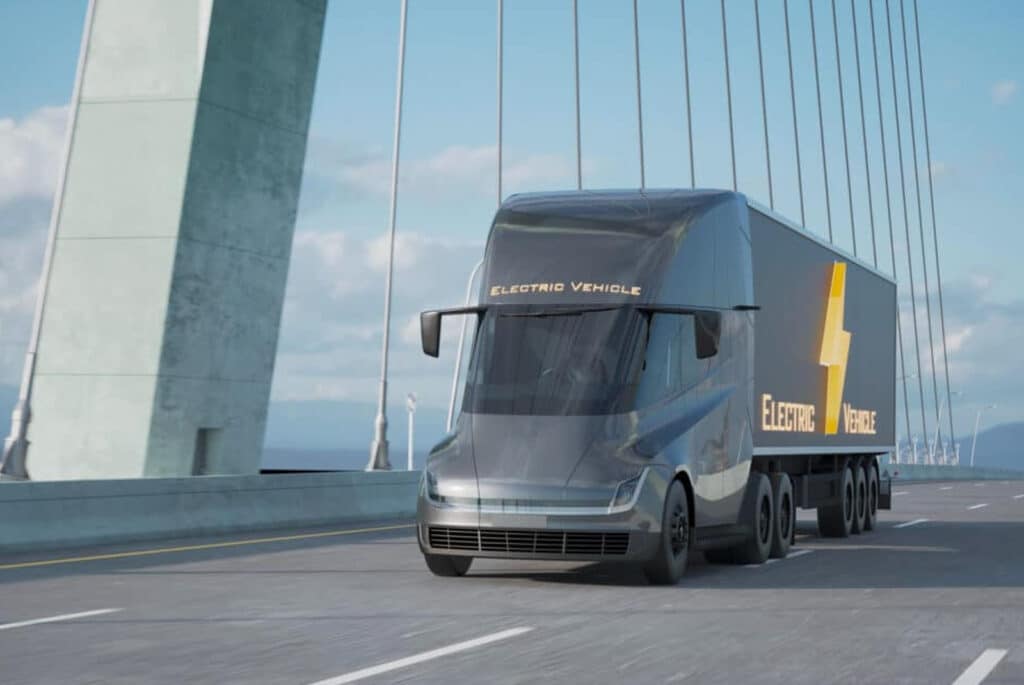
Electric and hybrid trucks are not “new” anymore. They are showing up in real fleets with real routes, real deadlines, and real contracts. But here is the part many fleets miss: insurers do not price electric truck insurance the same way they price diesel trucks. Not because they are trying to be difficult, but because the risk picture is different. Repair costs can be higher. Repair networks can be tighter. Downtime can be longer. Battery-related claims can turn into bigger losses, faster. At the same time, many electric and hybrid fleets bring something insurers love: better data, tighter controls, and stronger safety programs. So if you are running EVs, hybrids, or a mixed fleet in 2025, the goal is simple. Show underwriters that you are a safer, more controlled risk than the average fleet. When you do, that is where pricing gets friendlier and where discounts become more realistic. This guide breaks down what insurers look for, what tends to raise premiums, and what can help you earn better terms for electric truck insurance in 2025. Why electric and hybrid trucks get underwritten differently Underwriting is basically an insurer asking: “What could go wrong, how often, and how expensive will it be when it does?” With electric and hybrid trucks, a few things can change that math: 1) Repairs can cost more and take longer EV repairs often involve high-voltage components, specialized tools, and techs with EV training. That can extend repair time and increase claim costs. Longer repair time also means longer downtime, and that matters for fleets that rely on every unit to hit delivery windows. 2) Battery risk is real, and it changes severity Battery systems can add unique hazards, and insurers pay attention to how battery damage is handled after an incident. Industry insurance commentary frequently points to battery hazards and total-loss outcomes as a growing EV risk factor. 3) The commercial auto insurance market is still tight Even without EVs, commercial auto has been seeing continued rate pressure tied to claims costs and litigation trends. So insurers are already selective. EV and hybrid underwriting is happening inside that bigger market reality. The underwriting checklist for electric truck insurance in 2025 Insurers usually do not start with “EV good” or “EV bad.” They start with your operation. Here are the key areas underwriters tend to dig into. Fleet profile and use case They want to understand how the truck is actually used. Before the list, here is why this matters: a last-mile box truck doing predictable routes is usually a different risk than heavy interstate hauling, irregular schedules, and high-speed exposure. Underwriters often look at: Battery and charging risk management Insurers want proof you are not treating charging like an afterthought. Before the list, here is what they are really asking: “If a charging incident, thermal event, or electrical issue happens, do you have controls, training, and procedures?” They often ask about: FMCSA has also published guidance materials to help inspectors and enforcement officers safely examine electric and hybrid commercial vehicles, which reflects how seriously high-voltage systems are treated in the commercial environment. Repair network and downtime planning A major pricing driver is not only “how expensive is the repair,” but “how long will the claim stay open.” Before the list, here is why: limited repair networks can increase downtime, and insurers factor that into severity and total claim cost. Underwriters may want details like: Driver behavior data, telematics, and cameras This is one of the most important leverage points in 2025. Insurers have been clear that telematics and safety technology are becoming key to lowering rates in trucking, because it creates measurable proof of risk control. Before the list, here is what makes telematics powerful: it turns “we run a safe fleet” into something an underwriter can validate. Insurers commonly respond well to: Claims history and how you manage it Two fleets can have the same number of claims, but very different underwriting outcomes. Before the list, here is the difference: insurers look at whether the fleet is learning, correcting, and preventing repeats. They pay attention to: Commercial auto trends also show insurers are dealing with rising claim costs, which makes them lean toward fleets that can prove strong controls. What insurers may discount in 2025 Let’s be straight about this: not every carrier offers the same discount structure, and not every “green” claim earns better pricing by default. But insurers often do price more favorably when you reduce measurable risk. Telematics and safety technology discounts Telematics-based pricing and incentive structures are a real trend in fleet insurance. Even when the carrier does not call it a “discount,” strong telematics results can influence underwriting credits, eligibility, and renewal terms. Fleet-level risk controls If you are pursuing green fleet insurance, insurers still want the fundamentals handled. Before the list, here are the fundamentals that often create underwriting confidence: Fleet structures can also produce efficiencies and pricing advantages compared to insuring vehicles one-by-one, especially when the fleet has a strong safety record. Hybrid truck discounts 2025 Many fleets ask specifically about hybrid truck discounts 2025. The honest answer is that it depends on the carrier and the risk story. A hybrid powertrain alone is usually not the magic key. The bigger drivers tend to be: If your hybrid trucks are part of a broader risk-managed program, that is where underwriters are more likely to apply credits and better pricing logic. What raises premiums for electric truck insurance If you want better pricing, you also need to know what spooks insurers. Higher repair severity and limited repair options EV claim costs can be pushed up by specialized repair requirements and limited shop capacity. Battery-related incidents and total-loss outcomes Insurers often treat battery hazards as a severity driver, especially when a claim becomes a complicated recovery, salvage, or total loss scenario. Lack of documentation If your fleet is electrifying but you cannot show training, charging controls, maintenance processes, and incident response procedures, your fleet will look like an
Top 7 Industries in Miami That Need Commercial Liability Insurance the Most

In Miami, business moves fast. Customers come and go. Vendors rotate. Crews work on tight schedules. Properties stay busy year-round. That pace is great for revenue, but it also creates one constant problem: more people, more activity, more chances for something to go wrong. A slip at a storefront. A damaged client property. A delivery incident. A customer claiming injury. A vendor saying your team caused a loss. Even when you did nothing “wrong,” you still end up dealing with the claim, the legal cost, and the distraction that pulls you away from work. That is exactly why commercial liability insurance in Miami matters. It is not just a checkbox policy. It is the coverage that helps protect your business when you get hit with third-party claims tied to your operations. Below are the top 7 industries in Miami that tend to face the most frequent and expensive liability exposure, plus how industry-specific liability coverage usually fits into the picture. 1) Construction, contractors, and trades Miami’s building activity keeps contractors busy, but it also creates some of the most common liability claims. Before the list, here is why: your work happens on active sites, around other trades, and often around occupied properties. One mistake can damage something expensive, injure a bystander, or trigger a claim months after the job is complete. Common liability risks include: Industry-specific liability coverage to consider: 2) Restaurants, bars, lounges, and nightlife Food service brings constant foot traffic, tight kitchens, and public-facing risk every single day. Before the list, remember this: one busy night can create five different liability exposures without anyone intending it. Common liability risks include: Industry-specific liability coverage to consider: 3) Hotels, short-term rentals, and hospitality properties Miami’s visitor economy is massive, which means hospitality businesses deal with high guest volume, high expectations, and high claim potential. Miami-Dade reached an all-time high of 28 million visitors with significant economic impact reported for recent years. When you host that many people, liability exposure is not hypothetical. It is a daily operational reality. Common liability risks include: Industry-specific liability coverage to consider: 4) Logistics, warehousing, and freight-linked businesses Miami is a major trade and transportation hub. That is great for business, but it also increases liability exposure through constant movement of vehicles, freight, and people. Miami International Airport reports record cargo volume and describes itself as a top U.S. hub for international freight, handling an airport record 3 million tons of freight in 2024. More freight activity usually means more operational risk, especially when you run warehouses, dispatch operations, loading docks, and local deliveries. Common liability risks include: Industry-specific liability coverage to consider: 5) Healthcare clinics, dental offices, wellness practices, and med spas Healthcare-adjacent businesses often assume liability equals malpractice only. But many claims start with basic third-party incidents. Before the list, here is what trips owners up: someone can get hurt in your waiting room, a vendor can claim damage, or a client can allege harm unrelated to professional negligence. Common liability risks include: Industry-specific liability coverage to consider: 6) Real estate, property management, and building operations In Miami, property activity is nonstop. That creates steady exposure for landlords, property managers, and building service operators. Before the list, here is the key point: if you control or maintain a property, you can be pulled into claims even when a tenant or vendor caused the issue. Common liability risks include: Industry-specific liability coverage to consider: 7) Event businesses, venues, and experiential brands Miami hosts constant events: corporate activations, private parties, brand pop-ups, festivals, and venue-based entertainment. PortMiami, for example, reported record cruise passenger counts in FY2025. That level of visitor flow reflects how often Miami handles large crowds, and crowd-driven activity increases the chance of third-party claims across many event-related businesses. Common liability risks include: Industry-specific liability coverage to consider: What most Miami small businesses get wrong about liability insurance Before the list, here is the pattern: small businesses buy a basic policy, but their contracts, daily operations, and client expectations demand more. Common mistakes include: That is why small business liability insurance in Miami should not be a one-size purchase. It should match how you actually earn money. Get the right coverage for your industry If you want commercial liability insurance in Miami that matches your real risk, not a generic template, book a quick coverage review with Alliance Insurance. We’ll look at your industry, your contracts, and your day-to-day exposure, then recommend the industry-specific liability coverage that keeps you protected without paying for fluff. FAQs: Commercial Liability Insurance in Miami 1) What does commercial liability insurance in Miami usually cover? It typically covers third-party claims for bodily injury, property damage, and certain personal or advertising injury claims tied to your business operations. 2) Is general liability the same as professional liability? No. General liability focuses on third-party injuries and property damage. Professional liability focuses on claims tied to your professional services, advice, or errors in delivery. 3) Which Miami businesses need liquor liability? Any business that serves alcohol should consider it, especially bars, restaurants, venues, and event operators. Standard general liability often excludes or limits alcohol-related claims, so liquor liability is commonly added. 4) How much liability coverage does a small business in Miami need? It depends on foot traffic, contract requirements, and risk level. A contractor handling larger jobs, a venue hosting crowds, or a hospitality business serving guests may need higher limits than a low-footfall office. 5) What is industry-specific liability coverage? It means adding coverage or endorsements that match your operations, like completed operations for contractors, liquor liability for bars, event liability for venue operators, or professional liability for service-based businesses. 6) Do landlords in Miami require general liability insurance? Often, yes. Many commercial leases require tenants to carry general liability and list the landlord as an additional insured. Requirements vary by lease. 7) Does commercial liability insurance cover subcontractors? Not automatically. Many claims involving subcontractors can still come back to the GC. This is why contracts, additional insured wording,