
Choose the Right Bus Insurance Type for Your Business: Coverage, Costs & Policy
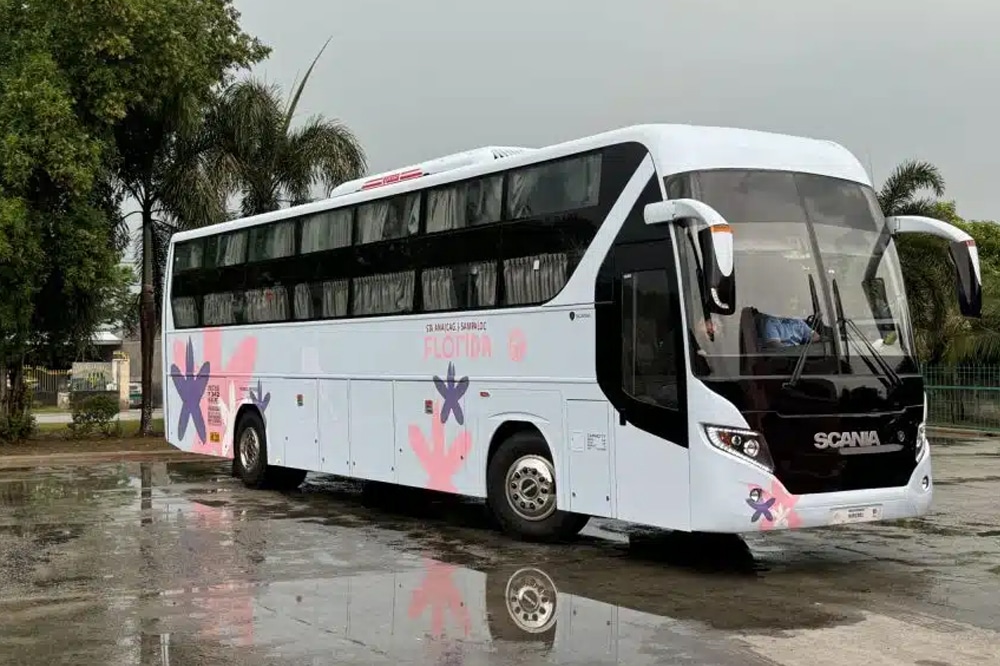
Running a bus company, whether you operate a small charter service or a full commercial fleet, means carrying passengers, protecting valuable vehicles, and meeting strict legal requirements every day. One serious accident or even a minor fender bender can quickly turn into a major financial loss if you do not have the right protection in place. That is why choosing the right bus insurance policy is not simply a legal formality; it is a key part of keeping your business healthy and your passengers safe. So, how do you decide which auto insurance coverage is right for your operation? Understanding the different types of car insurance coverage, the costs involved, and what each auto insurance policy actually protects will help you make a confident choice. Why Bus Insurance Is Different from Basic Auto Insurance A personal car insurance policy and a commercial bus insurance plan share the same purpose of protecting vehicles and people, but the scale and risks are very different. Because of these factors, basic car insurance coverage or a standard auto insurance policy is not enough. Bus operators need specialized protection that goes beyond what most motor insurance policies provide for private cars. Understanding the Types of Coverage for Bus Insurance Before comparing prices, it is essential to understand what each type of car insurance coverage offers. A strong policy typically includes several layers of protection: These options show that a policy for car insurance designed for buses needs more than the basic auto insurance that personal drivers carry. Balancing Coverage and Cost The cost of commercial bus insurance depends on several factors: Working with an experienced agent ensures that you strike the right balance between affordability and the level of protection your business requires. Why a Tailored Auto Insurance Policy Matters A one-size-fits-all policy can leave dangerous gaps. For example, a basic car insurance plan might cover collisions but not the income lost if a key vehicle is out of service for weeks. Similarly, standard motor insurance policies might not address the unique risks of carrying dozens of passengers or the cost of specialized equipment. A custom automobile insurance policy crafted for buses addresses these concerns by combining the right mix of car insurance coverage types, from liability to comprehensive, so you are not paying for unnecessary extras or leaving critical exposures unprotected. Tips for Choosing the Right Bus Insurance Selecting the best bus insurance for your company takes more than scanning a few quotes. The right policy protects passengers, drivers, and your bottom line without leaving costly gaps in coverage. Before you sign on the dotted line, consider these key steps: Taking the time to work through these points gives you more than a policy; it gives you confidence. You’ll know your commercial bus insurance provides the right mix of protection and cost efficiency, so you can focus on running your transportation business without worrying about hidden gaps in your auto insurance policy. Want to Be Sure You Choose the Right Bus Insurance for Your Business? Selecting the right mix of auto insurance coverage for a bus fleet is not always straightforward. Between state requirements, passenger liability concerns, and the costs of keeping multiple vehicles on the road, it helps to have a clear roadmap before you commit to any policy. Think through these essentials first: Taking time to clarify these points helps you secure a commercial bus insurance plan that keeps passengers, drivers, and your investment protected without paying for extras you do not need. FAQs 1. What does car/ auto insurance cover for a commercial bus business? A personal car insurance policy typically includes liability, collision, and comprehensive protection for private vehicles. For a bus company, those same core coverages are expanded and strengthened. A commercial bus insurance policy covers passenger injury claims, property damage, and often adds options like business interruption coverage to protect your income if a bus is out of service. In other words, what car/ auto insurance covers in a basic policy is the starting point, but a commercial plan broadens those protections to match the higher risks of transporting passengers. 2. How do I know how much liability coverage my bus company needs? Start by reviewing your fleet size, the number of passengers you transport, and the type of routes you run. State and local regulators usually set minimum liability requirements for commercial transportation, but those minimums may not fully protect you if a serious accident occurs. An experienced agent can look at your business model, traffic patterns, and passenger volume to recommend liability limits that truly match your exposure instead of just meeting the bare legal standard. 3. What factors affect the cost of a commercial bus insurance policy? Several details influence your premium. Insurers will consider the number of buses you operate, their age and value, and the driving records of your employees. Routes also matter as buses that travel long distances or through dense urban traffic carry higher risk. Finally, the coverage limits and deductibles you select will have a direct impact on price. Higher limits or lower deductibles give you stronger protection but typically increase premiums. 4. Is basic auto insurance ever enough for a small shuttle or charter bus? No. Even a small shuttle or charter bus carries passengers and operates as a commercial business. That creates liability far beyond what a basic car insurance policy covers. Without a dedicated commercial bus insurance plan, you risk paying out of pocket for passenger injuries, property damage, or lost income if the vehicle is out of service after an accident. 5. Can I cover multiple buses under one automobile insurance policy? Yes. Many insurers offer fleet policies that group all of your vehicles under a single automobile insurance policy. This simplifies paperwork and often results in better pricing than insuring each bus individually. Fleet policies can also be tailored so that coverage applies to every vehicle, old or new, as your business grows. 6. How often should I review or update my bus insurance
Party Bus Insurance vs. Charter Bus Insurance: Which Do You Need?
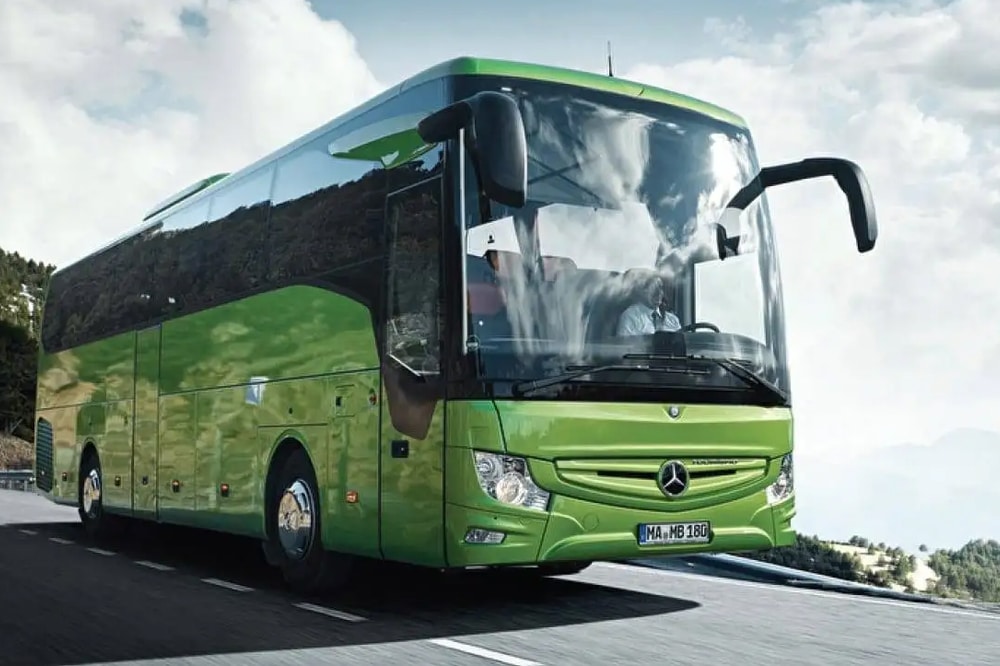
If you carry passengers for hire, insurance is not optional. It is the safety net that protects your riders, your drivers, and your business when the unexpected happens. The challenge is that not every operation faces the same risks. A party bus with a dance floor and a booming sound system is not the same as a charter bus crossing state lines with a youth sports team. Policies look similar on paper, yet the coverages, limits, and endorsements you need can be very different. Below is a complete guide that explains how party bus insurance and charter bus insurance work, what they cover, how costs are calculated, and how to choose the right fit for your operation. Party Bus vs. Charter Bus: What Each One Really Serves Before you can select coverage, it helps to look closely at the service each vehicle provides and the passengers it attracts. These details shape the kind of insurance you will need. Party Bus A party bus is designed for entertainment and short, event-focused trips. These vehicles usually have perimeter seating and open floor space for dancing or mingling. Features often include club-style lighting, premium audio systems and, in some cases, a bar or poles for dancing. Typical groups include: A mini party bus might carry 10–15 people while a full-size version often carries 20–40. Charter Bus A charter bus, also called a motorcoach, is built for long-distance group transportation rather than on-board partying. Passengers sit in forward-facing seats, and amenities often include overhead luggage racks, restrooms and video screens. Common users include: These coaches generally seat 40–60 passengers and are designed for comfort over many miles. Understanding the purpose and passengers of your vehicles is the first step in matching your operation to the right type of insurance. Why Insurance Requirements Diverge Both services require strong liability protection because you carry people for hire. The real difference lies in how risk shows up day to day. What Does Car / Auto Insurance Cover in This Context? People often ask what car/ auto insurance covers when the vehicle is a bus and the operation is commercial. Think of a commercial policy as an expanded version of private auto coverage. Those building blocks exist in both commercial party bus insurance and charter bus insurance, but limits and add-ons are tuned to the way you operate. Party Bus Insurance: Coverage, Cost Drivers, and Compliance A party bus is more than transportation; it is a moving venue. Whether you operate a full-size coach or a mini party bus, the combination of entertainment, music and sometimes alcohol creates risks that go well beyond standard auto coverage. A solid commercial party bus insurance plan protects your business, your passengers and your drivers while meeting state and local rules. Below is a detailed look at the protection you will need, the party bus insurance requirements, the factors that shape the party bus insurance cost, and practical steps for keeping premiums manageable. Core Coverages You Will Likely Need Because a party bus mixes the risks of a passenger carrier with those of an entertainment venue, insurers expect a policy to include several layers of protection. These coverages form the backbone of any strong plan: Meeting Party Bus Insurance Requirements Insurance is only part of the picture. Local and state regulators set standards that every operator must follow before offering trips or advertising a party bus cost. Typical requirements include: Meeting these requirements protects passengers and helps keep your policy in good standing with your insurer. What Shapes the Party Bus Insurance Cost Premiums for commercial party bus insurance vary because every operation is unique. Insurers typically look at the following: Ways to Keep Premiums Manageable Although party bus operations carry unique risks, you can still control costs with strong risk-management practices. These steps not only reduce incidents but also show insurers that you take safety seriously: By combining these coverages and practices, you create a party bus insurance plan that protects your passengers and your business while keeping premiums as low as possible. These same principles such as evaluating risks, meeting legal requirements, and investing in safety, apply whether you operate a single mini party bus or a full fleet. Charter Bus Insurance: Coverage, Cost Drivers, and Compliance Operating a charter bus or motorcoach service means you are responsible for moving large groups of passengers, often across long distances and sometimes across state lines. That level of responsibility calls for a stronger and more carefully structured insurance plan than a typical auto policy. A solid charter bus insurance program protects passengers, drivers and the business itself while meeting both state and federal regulations. Below is a detailed look at the coverage you need, the charter bus insurance requirements, the factors that determine the charter bus insurance cost, and the steps you can take to keep premiums manageable. Core Coverages You Will Likely Need A motorcoach insurance policy is built on the same basic ideas as a personal auto policy, but with higher limits and added protections to match the scale of commercial operations. These are the essential coverages and why they matter: Meeting Charter Bus Insurance Requirements In addition to buying the right coverage, operators must follow specific regulations before their buses can legally operate. These obligations vary depending on where and how you run your service: Factors That Influence Charter Bus Insurance Cost The charter bus insurance cost varies because each operation is unique. Insurers consider several details before setting a premium: Cost Control Ideas Even though charter bus insurance requires high limits and comprehensive coverage, there are steps that can help keep costs in check. These practices show insurers that you take safety and risk management seriously: With the right charter bus insurance coverage in place, supported by solid compliance practices and a focus on driver and vehicle safety, you can protect passengers, meet every charter bus insurance requirement, and control costs while keeping your motorcoach insurance program strong for the long term. Not every group needs to